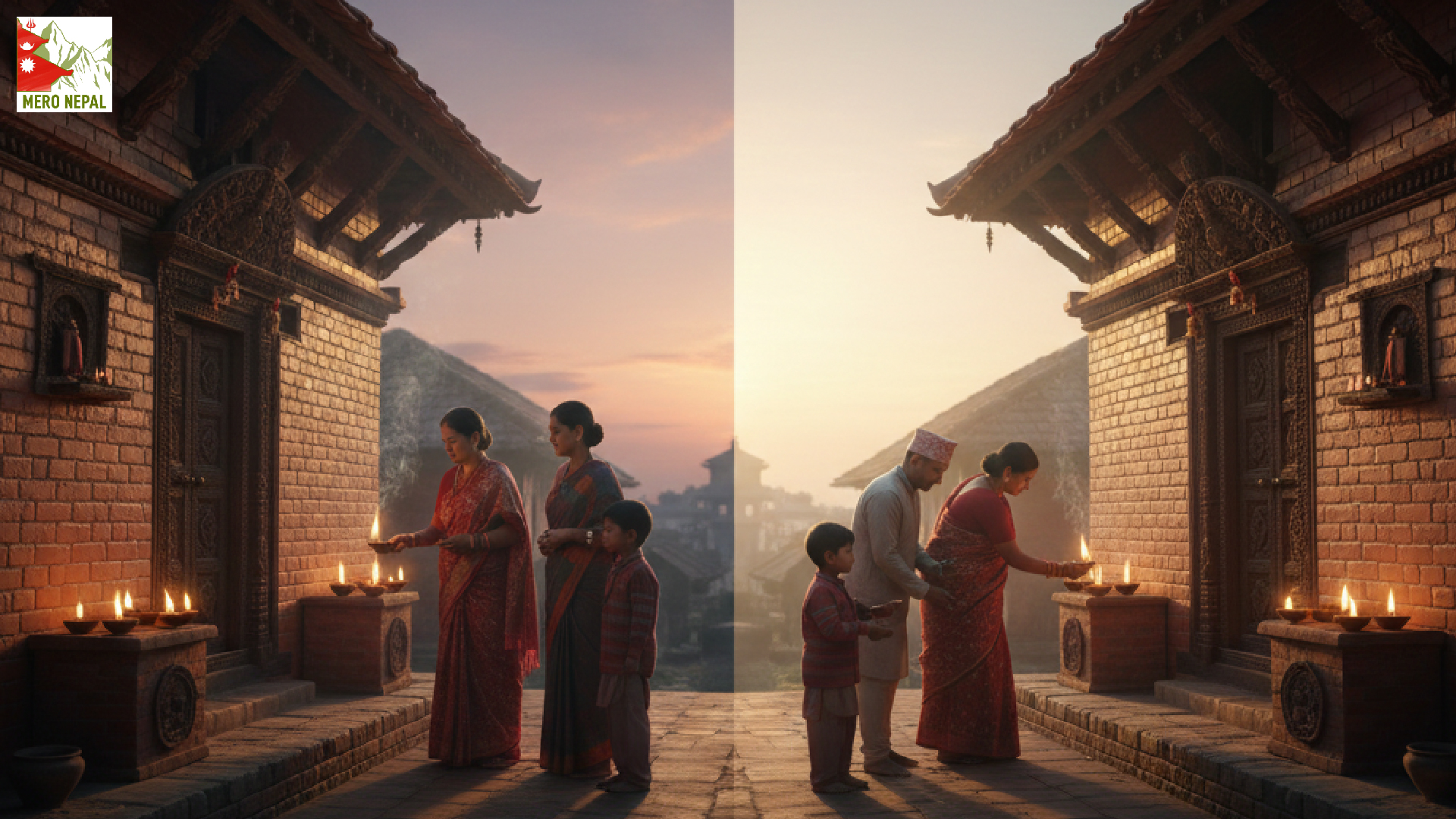
Why Nepali Homes Light Diyo at Dusk and Morning: Cultural Meaning and Spiritual Protection

Summary In many Nepali homes, lighting a diyo (oil lamp) at dawn and dusk is a tradition that has continued for generations. While it may appear as a simple daily practice, its roots run deep in cultural consciousness, Vedic time awareness, and mental discipline. Lighting a diyo is not merely an act of worship; it […]

Continue Reading
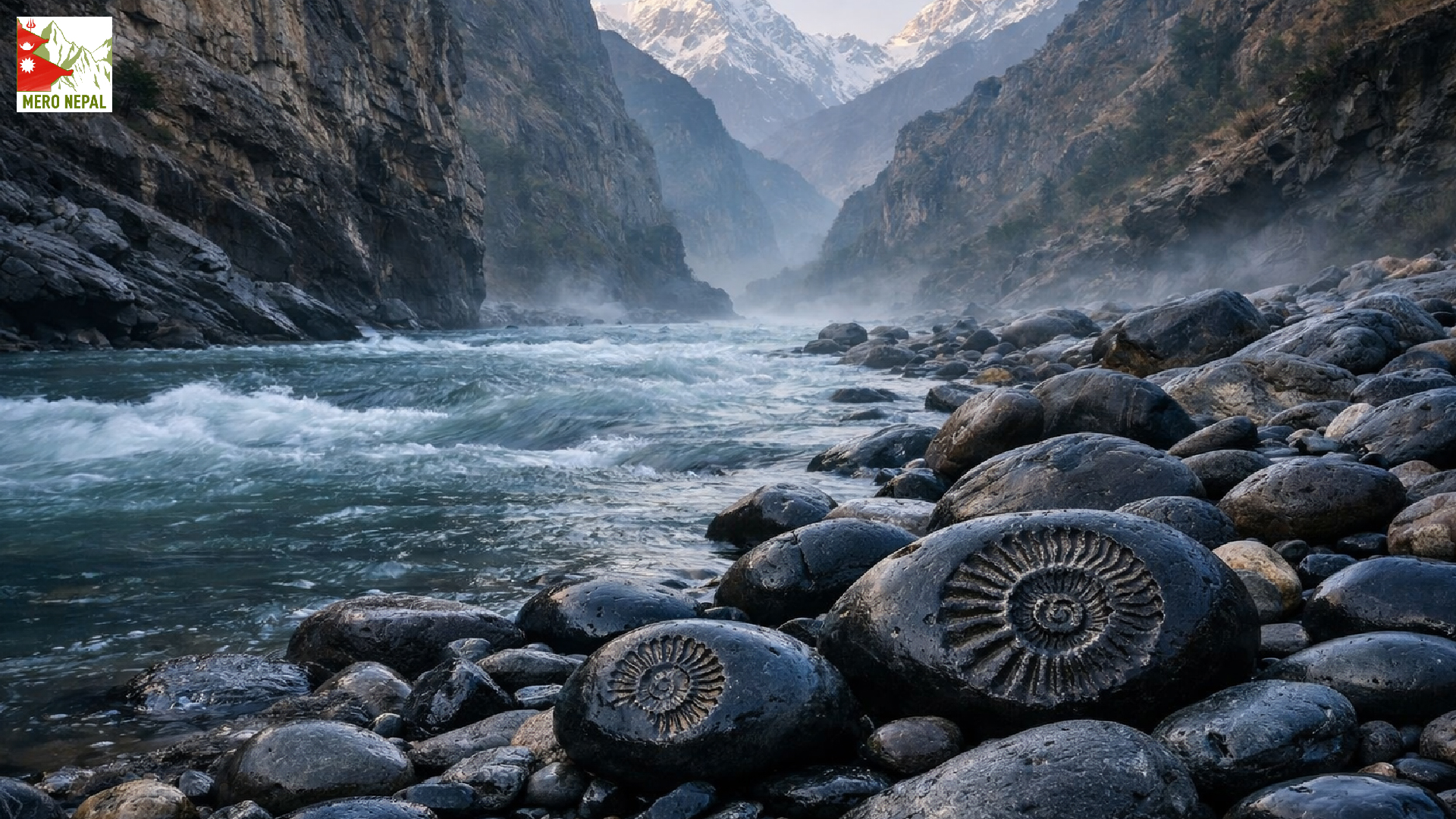
The Kaligandaki River: Geographic and Historical Background

The Kaligandaki River originates in the high Himalayan region of Mustang and flows through Myagdi, Baglung, Parbat, and Syangja before descending toward the plains. It passes through the Kaligandaki Gorge, considered one of the deepest gorges on Earth, lying between the Annapurna and Dhaulagiri mountain ranges. Historically, the river has served as a vital trade […]

Continue Reading

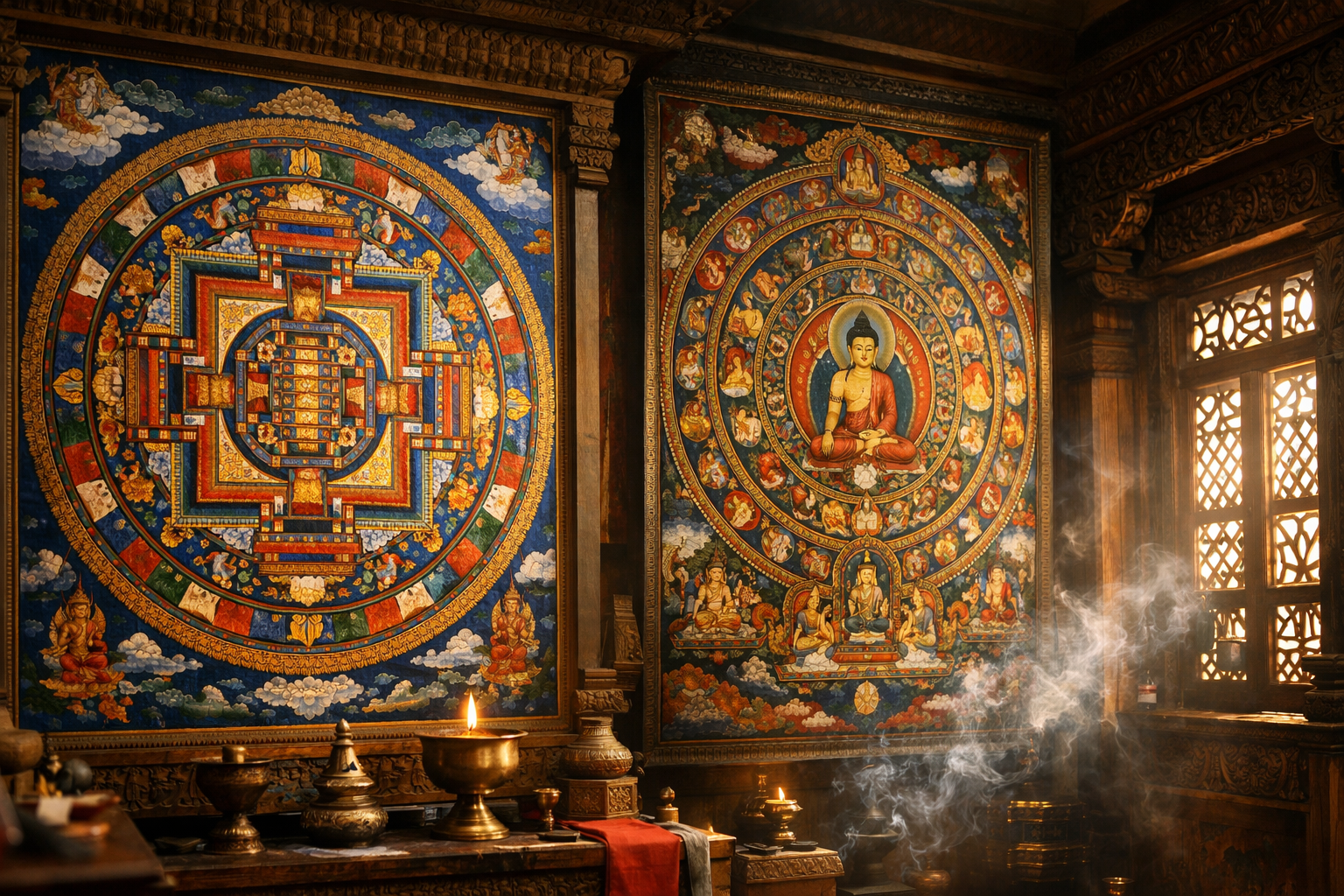
Thangka and Paubha: The Spirituality of Color and the Mystery of Cosmic Geometry

Introduction Thangka and Paubha are not merely artistic creations. In Nepali and Tibetan Buddhist traditions, they serve as essential tools for meditation, worship, and spiritual practice. Every color, line, symbol, and geometric structure within these paintings is deeply connected to the human mind, consciousness, and the balance of cosmic energy. The history of Thangka and […]

Continue Reading

The Chemistry of Nepali Incense and Dhunche

Introduction In Nepali society, incense (dhup) and dhunche are not merely substances used to spread fragrance. They are cultural mediums that express the relationship between humans, nature, and subtle energies. The common practice of burning incense in daily life is actually the product of thousands of years of experience, observation, and experimentation. This tradition combines […]

Continue Reading

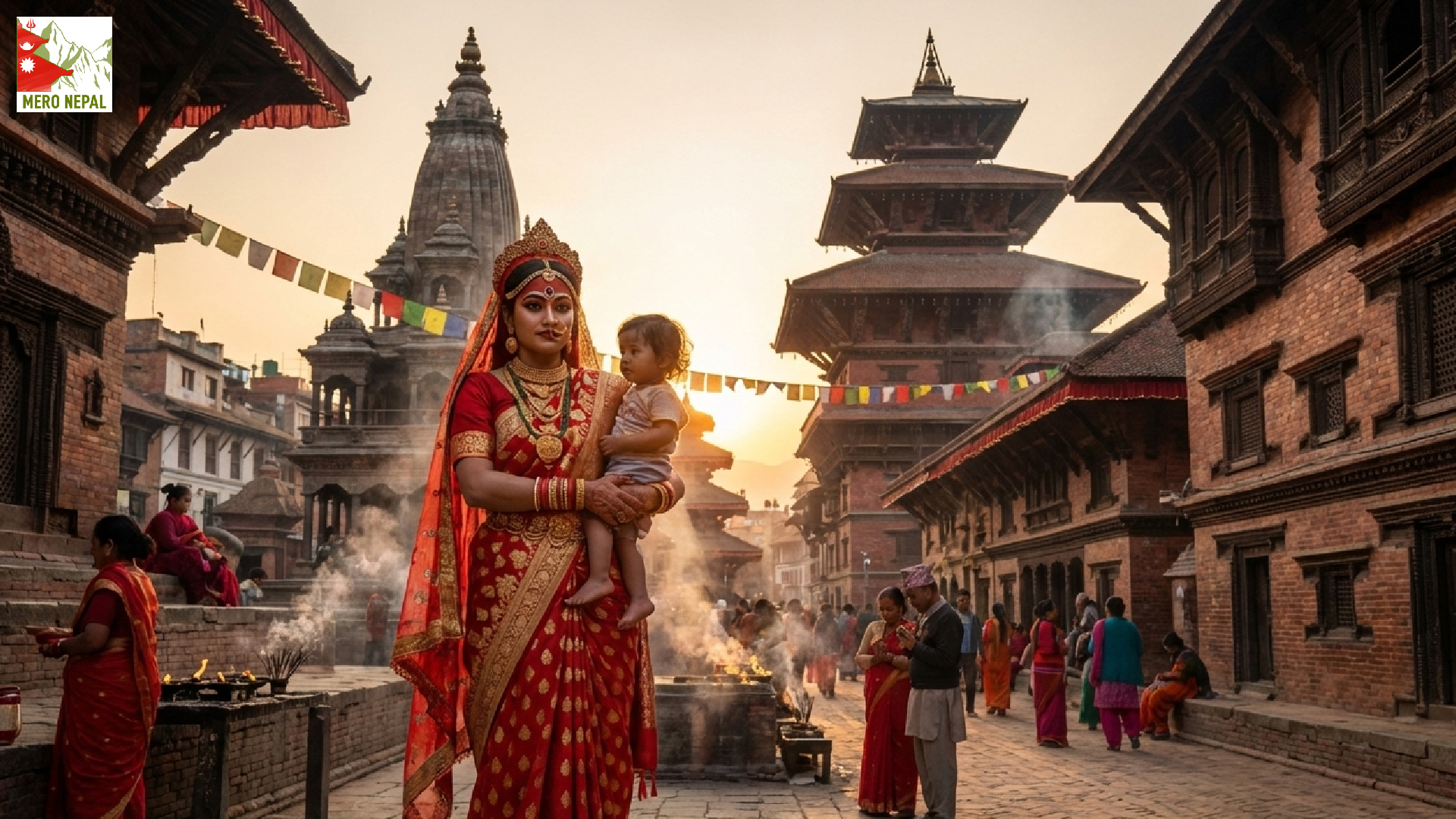
Historical Background of Ajima Devi and Newar Civilization

Lichhavi Period: Origins of Mother Goddess Worship Historical records, inscriptions, and sculptures from the Lichhavi period show that mother goddess worship was an integral part of Kathmandu Valley life. Worship during this period was not just religious but also part of social and civic protection. Malla Period: Institutionalization of the City Goddess During the Malla […]

Continue Reading

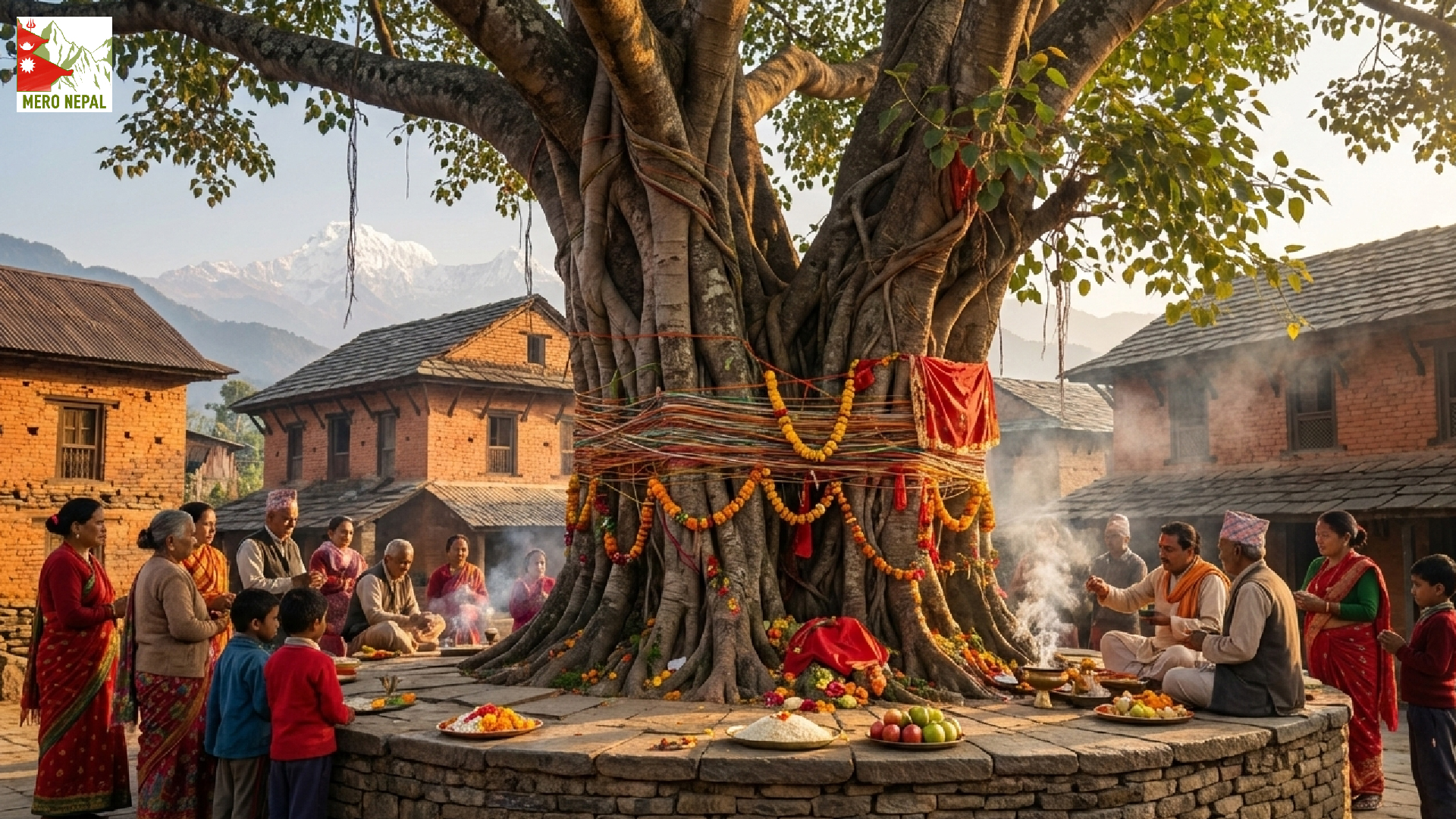
Historical Perspective of the Bar-Pipal Marriage

Ancient Era Historical records and oral traditions in Nepal show evidence of the Bar-Pipal marriage. In ancient times, this ritual symbolized: Respect for natural resources Message of community harmony Fertility and prosperity Medieval Tradition During the Lichhavi and Malla periods: Bar-Pipal ceremonies became the cultural and social centers of villages and towns Chautaris and tree […]

Continue Reading

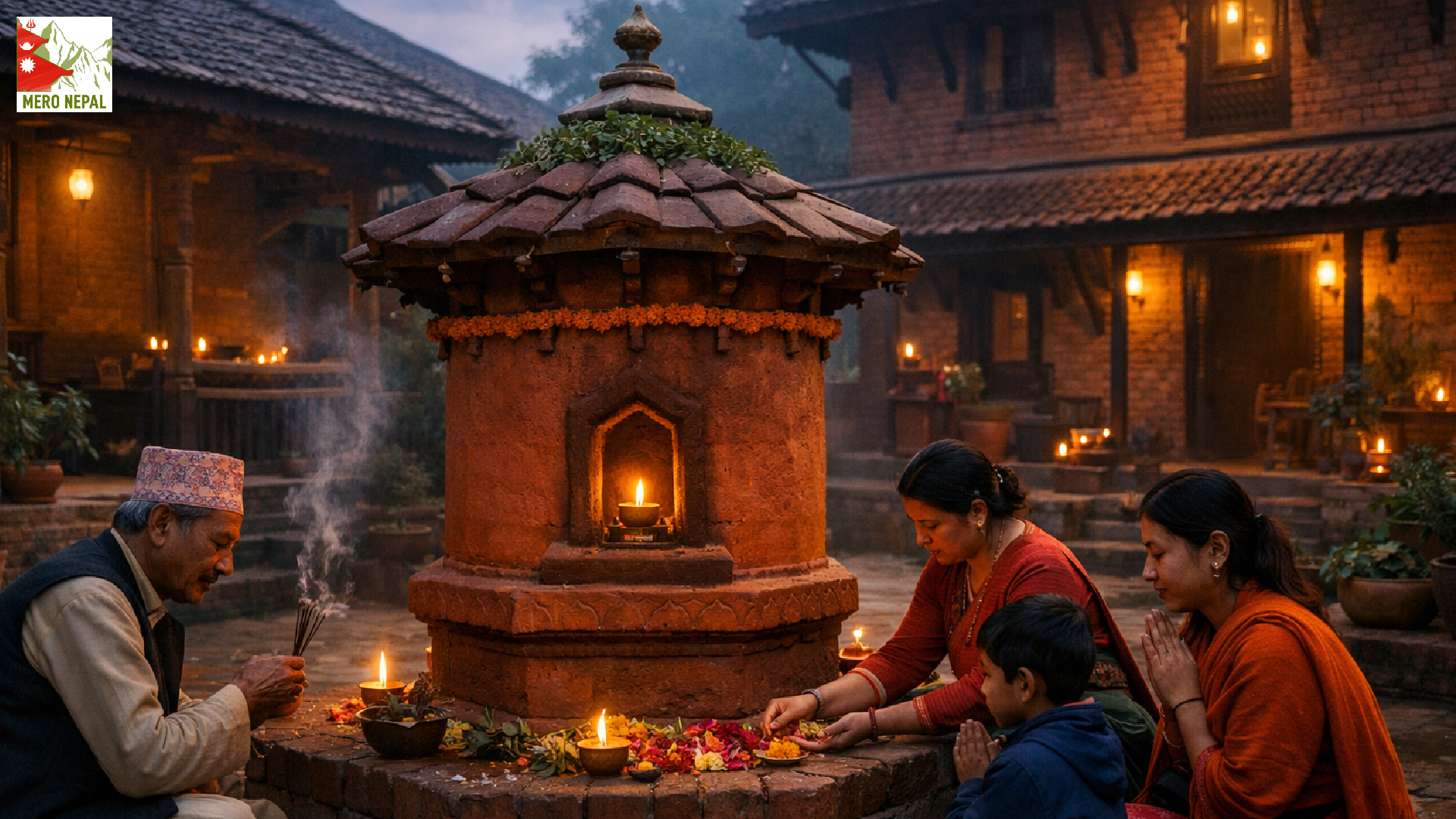
The Soul of the Aangan: The Tulsi Moth as Nepal’s Spiritual Sentinel and Natural Pharmacy

In the architectural grammar of a traditional Nepali home, the house is more than just a physical shelter; it is a living spiritual entity. At the heart of this entity lies the Aangan (central courtyard), and at the absolute center of that courtyard stands the Tulsi Moth. To a casual observer, the Tulsi Moth—a masonry […]

Continue Reading

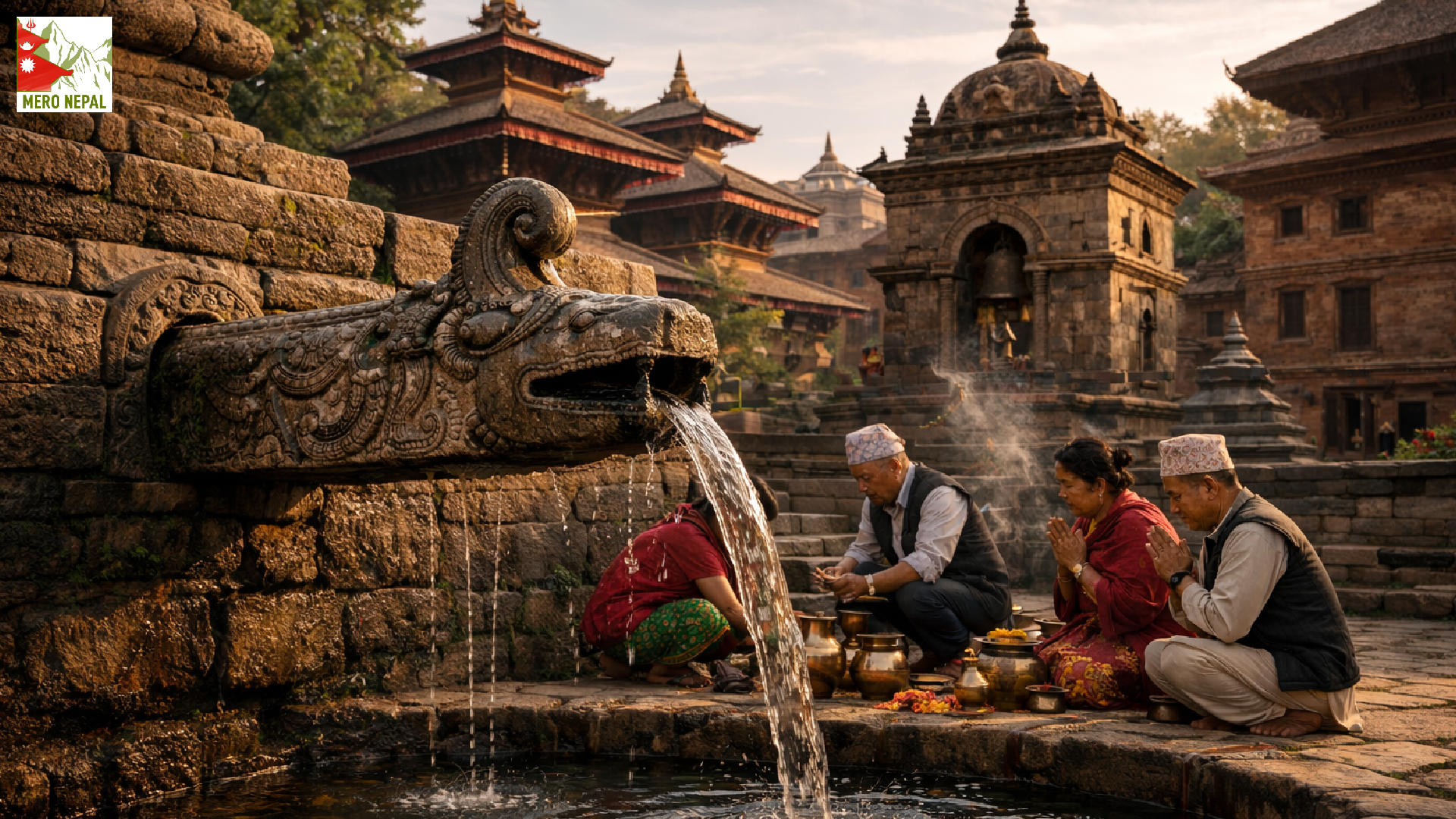
Veins of the Earth: Dhunge Dhara and the Sacred Water Management of Nepal

In Nepal, water is not only a source of life but also deeply significant in religious, cultural, social, and environmental contexts. The Himalayan region has a water management history spanning thousands of years. Ancient systems developed here have contributed significantly to natural resource conservation, social cohesion, religious practices, and ecological balance. Nepal’s Dhunge Dhara, also […]

Continue Reading

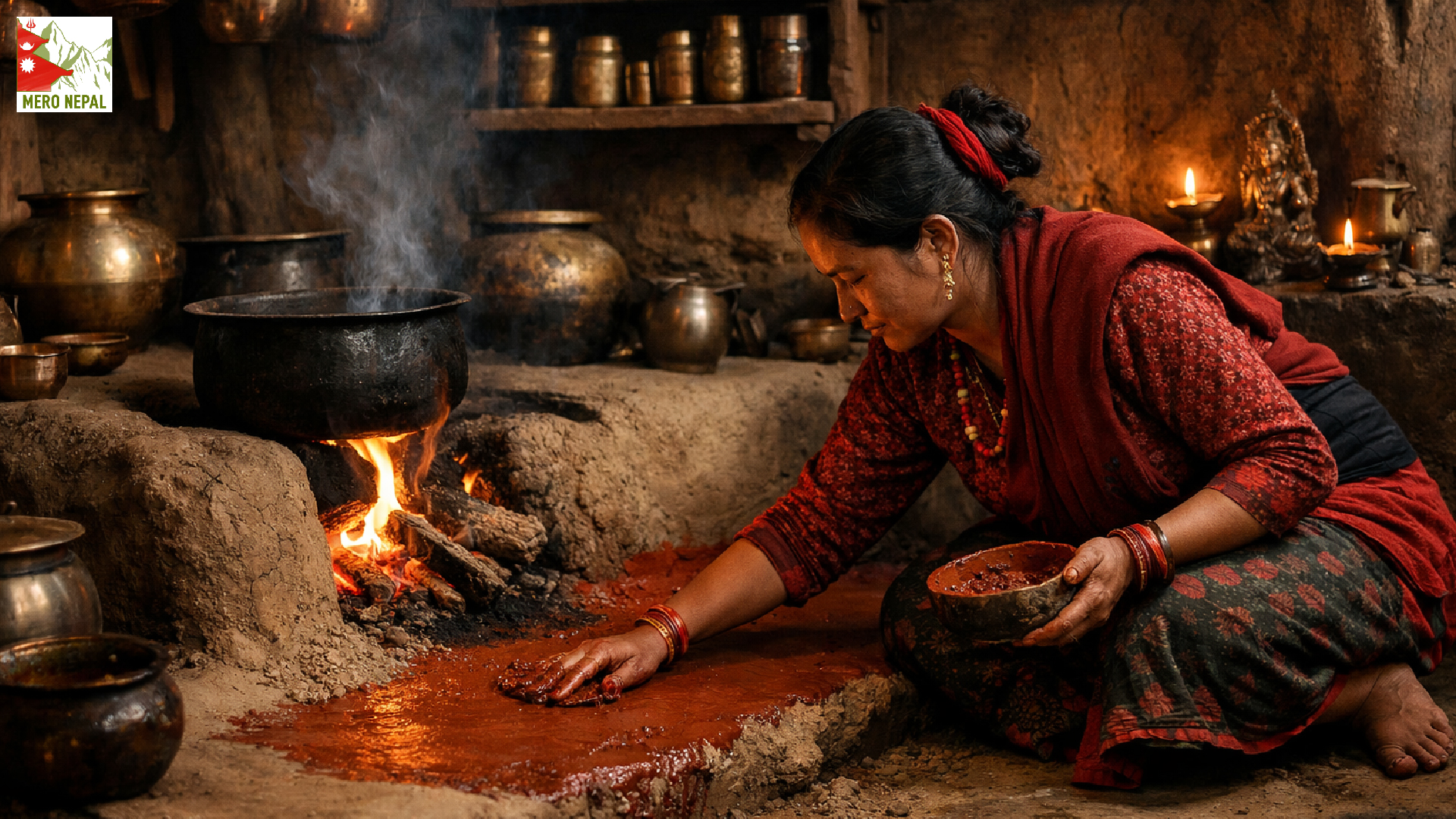
The Sacred Hearth: An In-Depth Exploration of the Nepali ‘Chulo’ as the Spiritual and Health Epicenter of the Home

1. Introduction: The Heart of the Household In the Western world, a kitchen is often viewed through the lens of functionality—a place for appliances and meal preparation. However, in the Nepali worldview, the Chulo (traditional mud hearth) represents the literal and metaphorical center of existence. It is the seat of Agni (the God of Fire), […]

Continue Reading

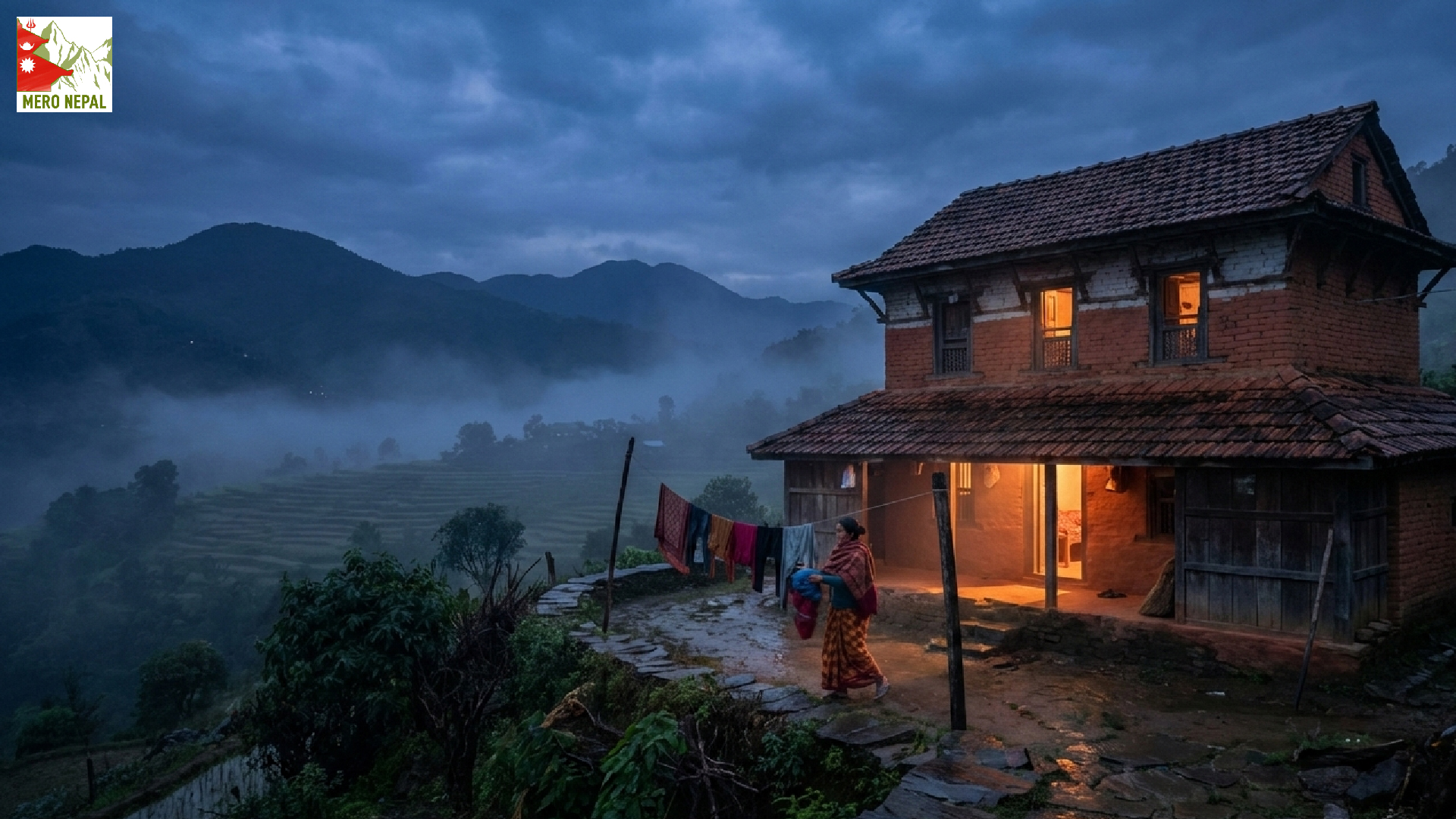
The Practice of Bringing Clothes Indoors After Dusk: A Discussion of Nepali Folk Beliefs and Practical Wisdom

Introduction: The Weaving of Belief and Practice In Nepali society, the habit of bringing in clothes dried outside before dusk is more than just a simple household chore; it is a deep-seated cultural ritual. This tradition is a sophisticated practice of protection woven from two different but complementary threads: first, a rich tapestry of folk […]

Continue Reading