Introduction
In Nepali society, incense (dhup) and dhunche are not merely substances used to spread fragrance. They are cultural mediums that express the relationship between humans, nature, and subtle energies. The common practice of burning incense in daily life is actually the product of thousands of years of experience, observation, and experimentation. This tradition combines environmental purification, mental balance, and social discipline into one holistic practice.
In modern society, as people struggle with stress, pollution, and mental imbalance, the value of traditional practices is being rediscovered. Nepali incense and dhunche are thus not relics of the past—they are both a contemporary necessity and a window into future potential.
Incense and Dhunche: Form, Nature, and Use
Although dhup and dhunche are often treated as similar, they differ in form and effect. Dhup is typically human-made, consisting of herbs, wood powder, natural resins, and plant oils. Its smoke is mild, making it suitable for daily worship, meditation, or creating a calm atmosphere at home. Dhup is designed for continuous, gentle use.
Dhunche, on the other hand, is a natural resin obtained directly from trees such as sal, loban, or guggal. It is minimally processed, and its smoke is deep, thick, and long-lasting. Therefore, dhunche is used primarily for special rituals, space purification, and energy balancing. In rural and indigenous communities, dhunche is considered especially potent and sacred.
Historical and Cultural Background
The use of dhup and dhunche in Nepal dates back to the Vedic period. Smoke rising from rituals was considered a medium to reach the divine. It was not merely a physical phenomenon; it symbolized prayer, devotion, and faith. This concept placed incense at the heart of spiritual practice.
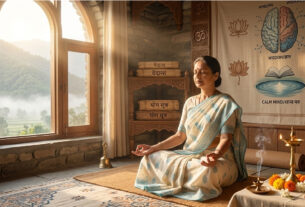
In Buddhist traditions, dhup became an essential part of meditation and mental purification. In Tibetan and Newar Buddhist practices, meditation without incense is considered incomplete. Similarly, Kirat, Tamang, Gurung, and Magar communities have long used dhunche to balance energy, ward off fear, and purify spaces. In this way, dhup and dhunche are not limited to one religion or community—they are a shared cultural heritage.
The Chemistry and Scientific Perspective
When burned, dhup and dhunche release natural terpenes, resin acids, and phytochemicals. These compounds can reduce harmful bacteria and fungi in the air. This is why ancient communities associated incense with environmental cleansing and health protection.
From a modern scientific perspective, dhup and dhunche act as natural air purifiers. Beyond cleaning the air, their aroma has a calming effect on the nervous system, which is why incense is so effective during meditation, yoga, and prayer.
Nepali Herbs and Geographical Influence
Nepal’s geographic diversity contributes greatly to the unique properties of its incense and dhunche. Himalayan jatamansi is known for promoting mental calm and focus. Hill-region dhupi and sal resins help purify the air and balance energy. Terai-region resinous herbs enhance effectiveness further.
The selection of these herbs is not based on written formulas but on centuries of observation and practical results. This is why Nepali incense and dhunche are not only fragrant but also possess medicinal qualities, supporting mental tranquility and environmental balance.
Health, Psychology, and Smoke
The effects of dhup and dhunche are first felt in the mind before the body. The aroma activates memory, emotions, and subconscious processing, facilitating meditation and prayer. This helps reduce mental fatigue and improve concentration.
However, moderation is key. Overuse or incense containing artificial chemicals can cause respiratory discomfort. Therefore, traditional, natural Nepali dhup and dhunche are considered the safest and most effective options for long-term use.
Social Life and Ritual Significance
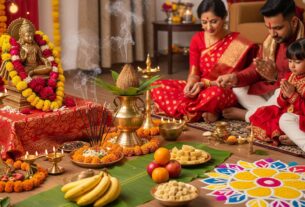
In Nepali society, dhup and dhunche are deeply connected to the cycle of life. They are used in birth ceremonies, weddings, housewarmings, festivals, and funerals. This makes them not just religious items but symbols of social continuity.
Burning incense is not only about cleansing the home—it is a practice that balances relationships, memories, and emotions. This is why dhup and dhunche carry deep emotional value in Nepali communities.
Modern Relevance and Reassessment
In today’s digital and stressful lifestyle, people are returning to natural practices. Growing interest in yoga, meditation, alternative therapies, and mental health has given new significance to dhup and dhunche. This tradition is no longer just ritual—it is practical knowledge with real-life applications.
Traditional Knowledge in the Digital Age
🔗 https://play.google.com/store/apps/details?id=com.meronepal.app
Conclusion
Nepali dhup and dhunche are more than fragrant smoke—they are a convergence of nature, science, mind, and culture. When used in proper balance, they remain as relevant today as they were hundreds of years ago. Tradition survives when it is understood, respected, and presented in ways that fit the times.