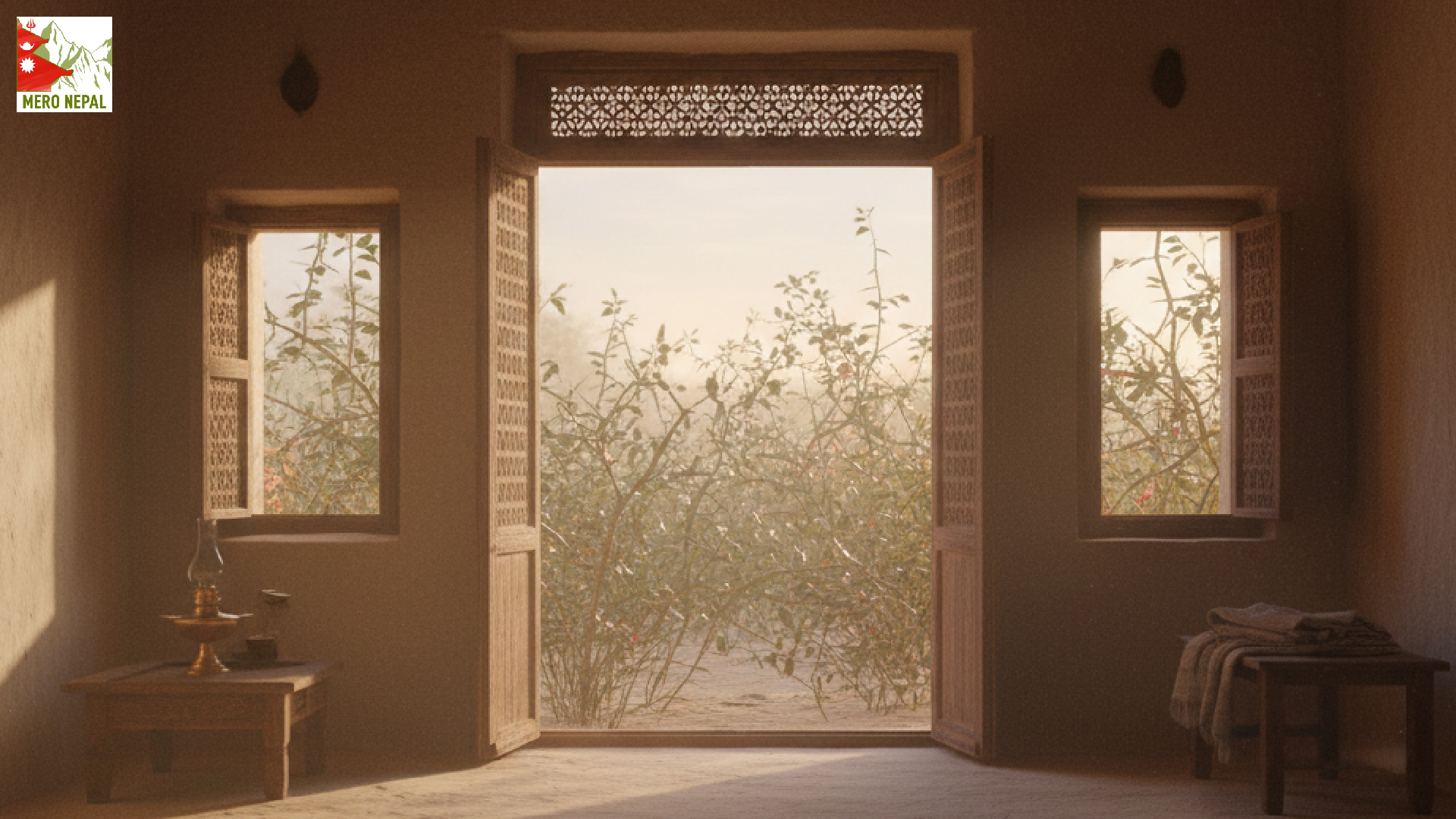
Why Certain Plants Are Avoided Inside the House

Introduction Plants are often associated with life, freshness, and positive energy. However, traditional wisdom clearly distinguishes between plants that are suitable for indoor spaces and those that are intentionally avoided. This practice is not based on superstition alone. It developed through spiritual understanding, environmental awareness, health-related observations, and long-term household experience. Since the home is […]

Continue Reading
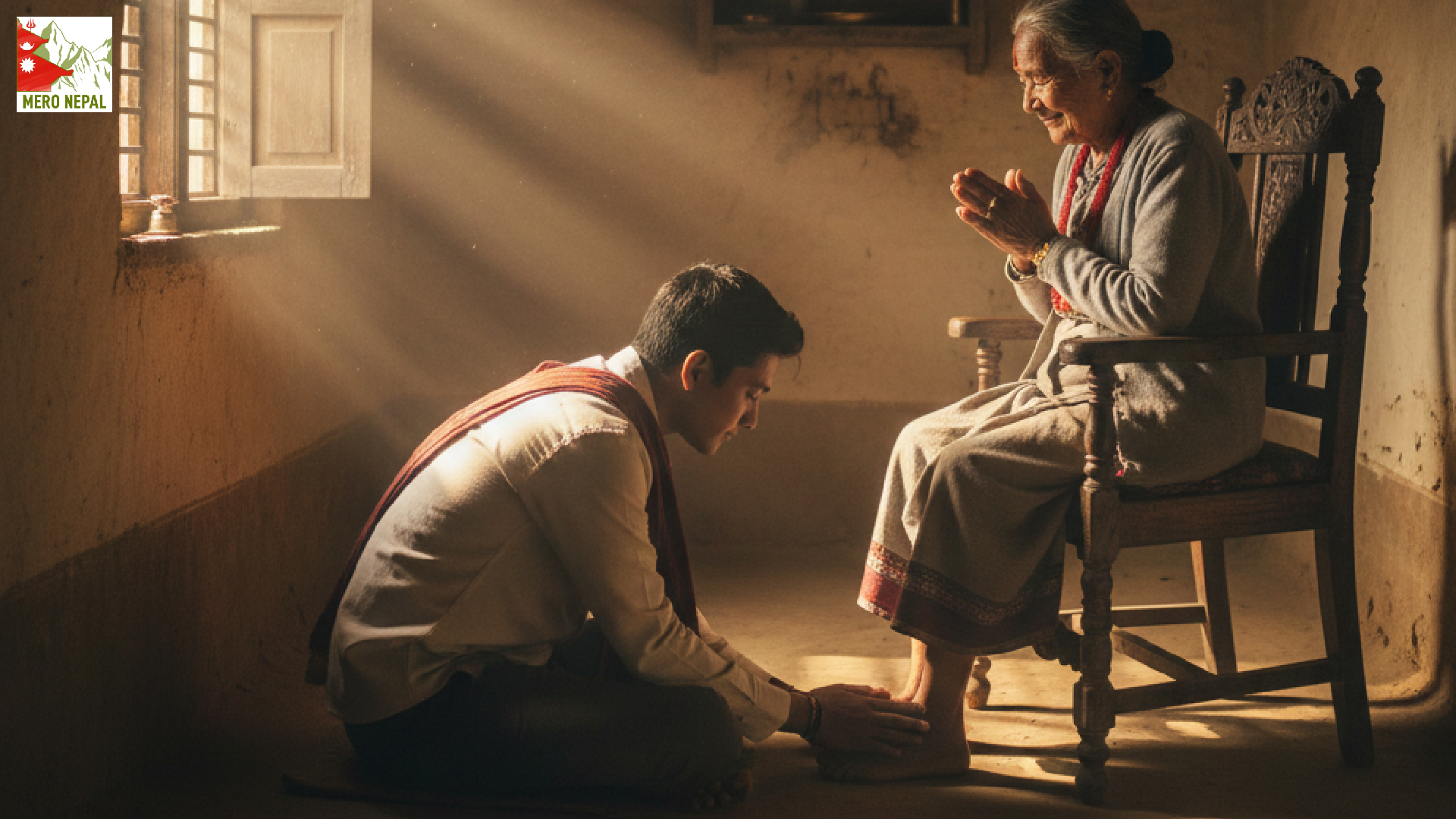
The Spiritual Meaning of Touching Elders’ Feet: Tradition and Respect Explained

Touching the feet of elders is an important practice in many households. It is not merely a gesture of respect; it carries deep spiritual, social, and psychological meaning. According to traditional belief, elders are bearers of wisdom, life experience, and positive energy. By touching their feet, younger members symbolically receive blessings, guidance, protection, and strength […]

Continue Reading

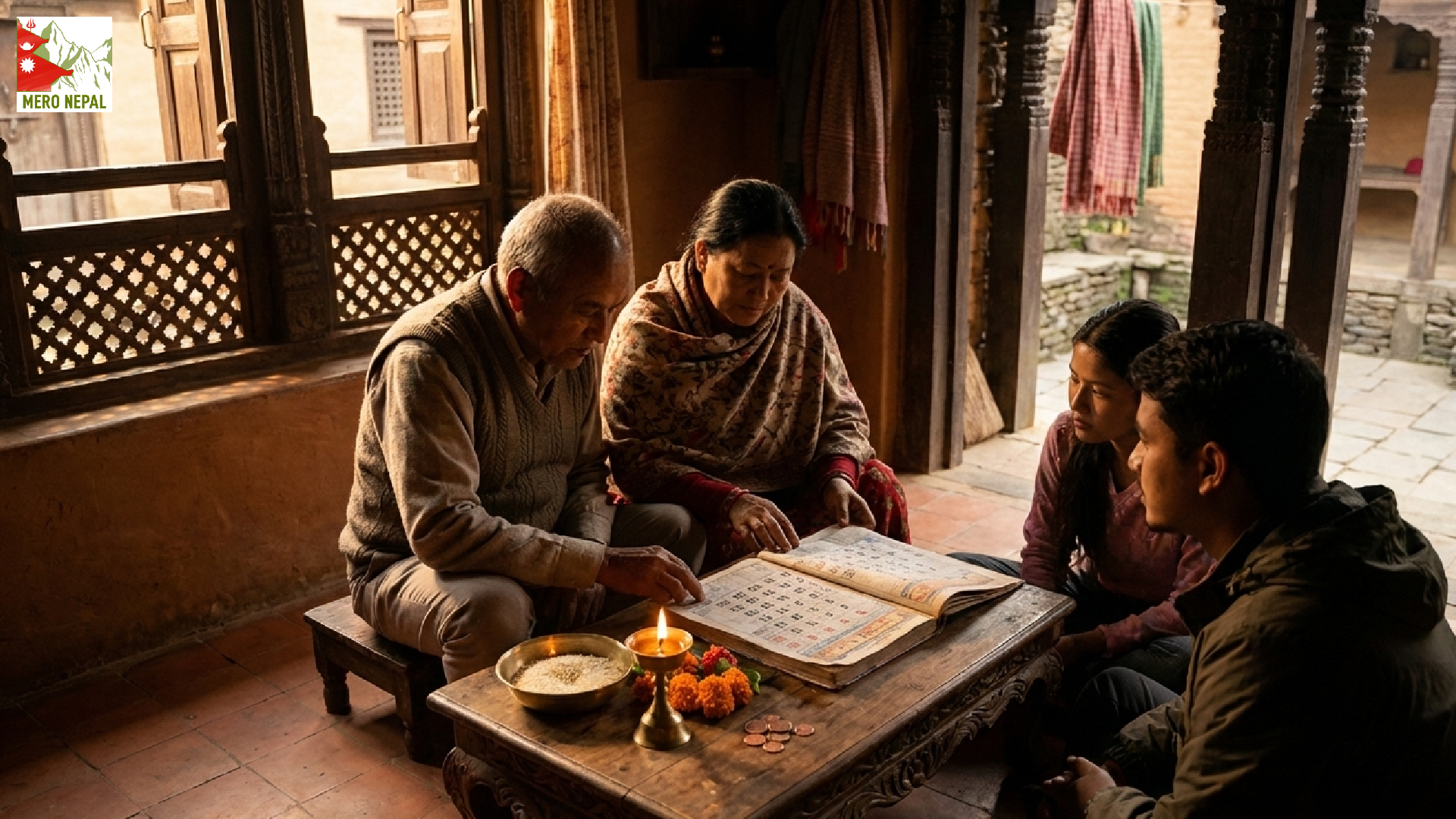
Why Certain Days Are Avoided for Travel, Weddings, and New Beginnings

Cultural Logic, Beliefs, and Practical Meaning In many households, dates for travel, weddings, business openings, or major life decisions are rarely chosen at random. Families often avoid certain days because it is believed that each day carries qualities that can either support or obstruct an activity. This practice is rooted not only in astrology but […]

Continue Reading

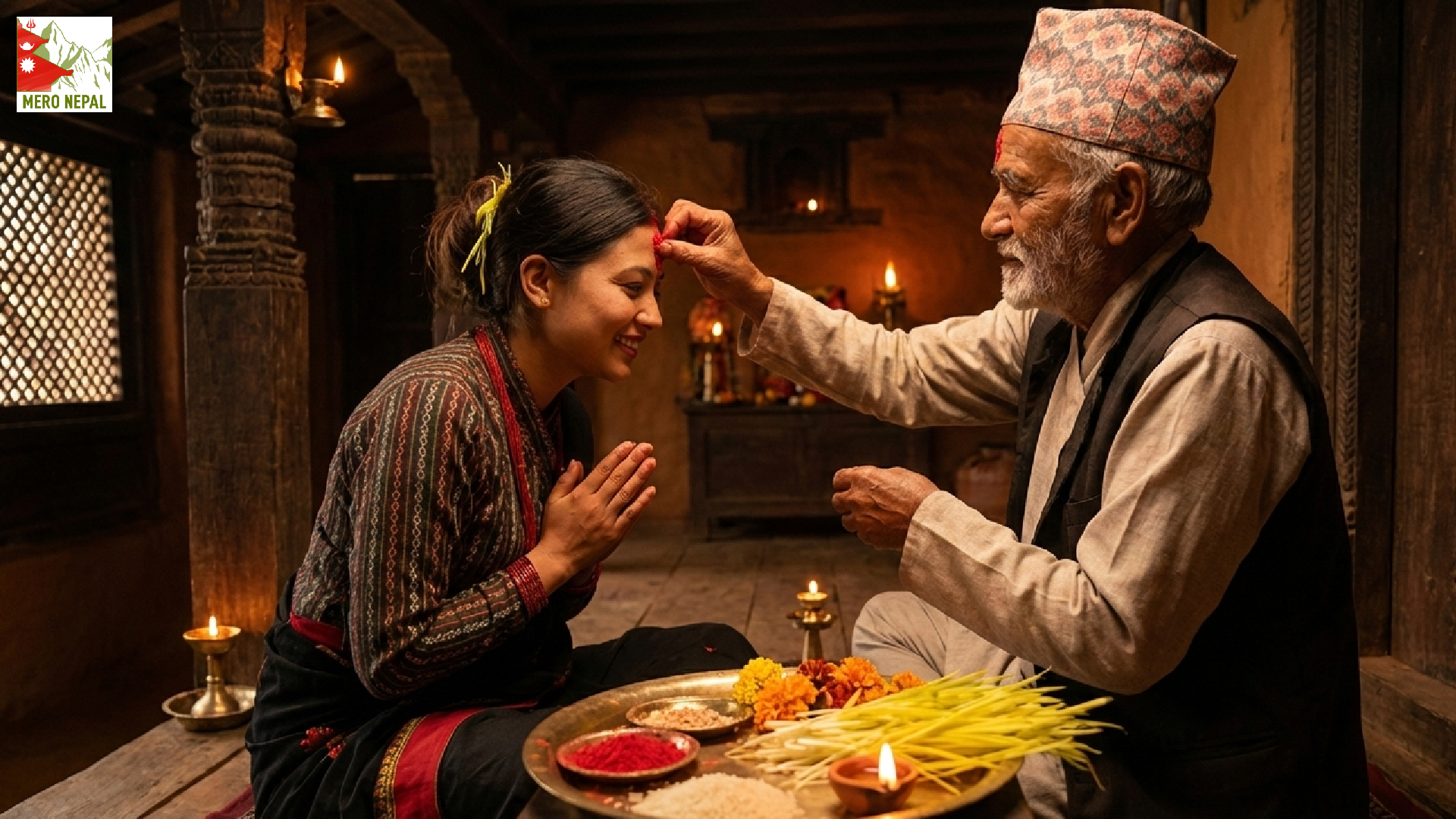
The Importance of Tika in Pooja, Dashain, and Other Sacred Occasions

Symbolism, Ritual Meaning, and Cultural Significance Tika is one of the most meaningful and visible ritual symbols in religious and social life. Applied on the forehead during pooja, festivals, and life-cycle rituals, Tika represents blessing, protection, spiritual authority, and social connection. Although it appears simple, its meaning is deeply layered, linking individuals to divine energy, […]

Continue Reading

Why Shivaratri Is Observed at Night, Not Day

Introduction: Understanding the Essence of Shivaratri Maha Shivaratri is one of the most spiritually significant festivals in Hindu tradition. In societies like Nepal, where Shaiva culture is deeply rooted, this festival is important not only religiously but also philosophically and culturally. Unlike many other festivals celebrated during the day with light, social gatherings, and festivities, […]

Continue Reading

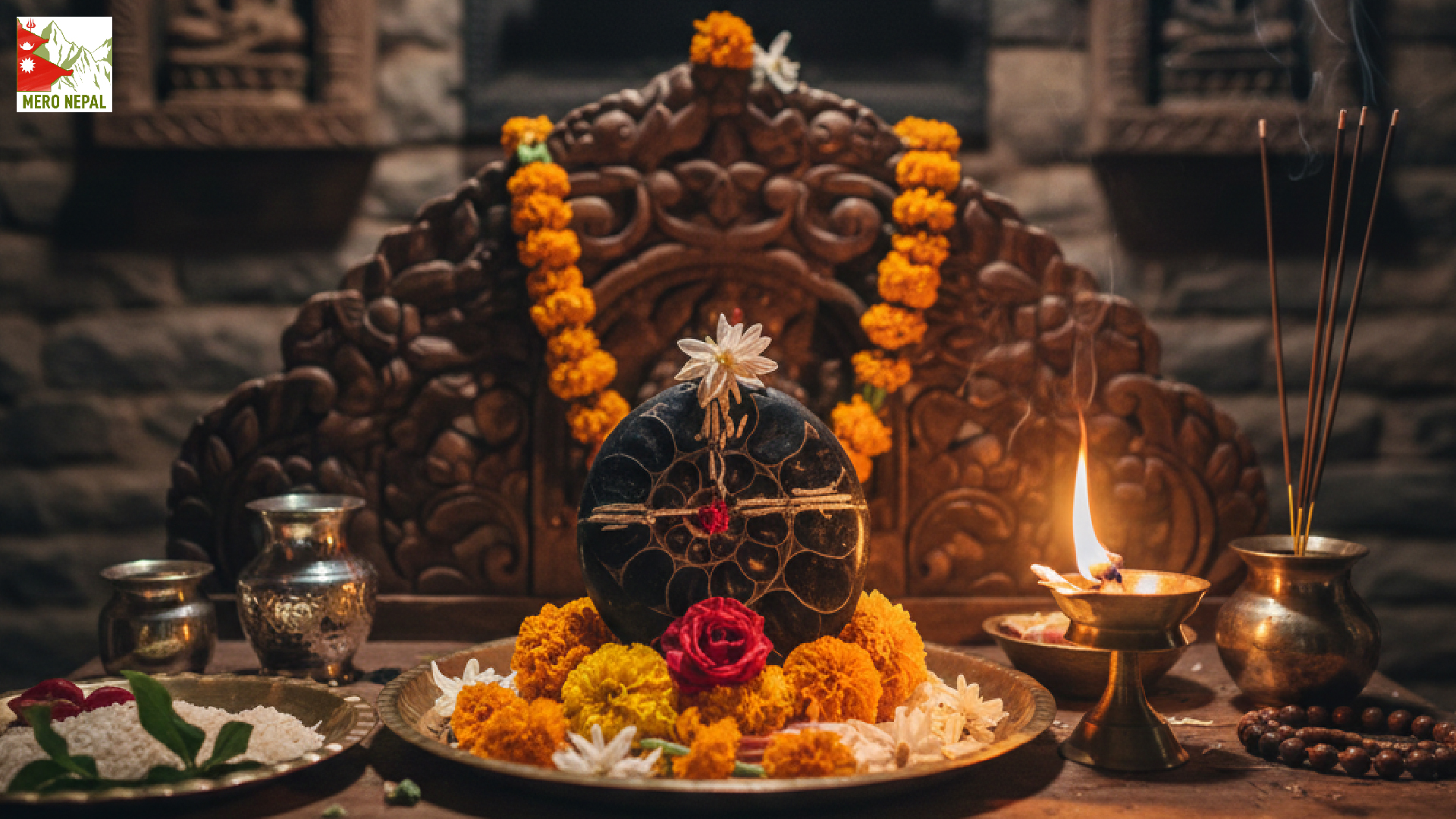
The Mystical Powers of Shaligram Stones in Nepali Worship: History, Rituals, and Beliefs

Introduction: Sacred Stones of Nepal Shaligram stones, also called Shaligram Shila, are sacred black fossilized stones primarily found in Nepal’s Kaligandaki River. Revered in Hinduism, they are considered direct manifestations of Lord Vishnu. Beyond religious significance, Shaligrams carry deep cultural, historical, and mystical importance. They are not just objects of worship but are believed to […]

Continue Reading

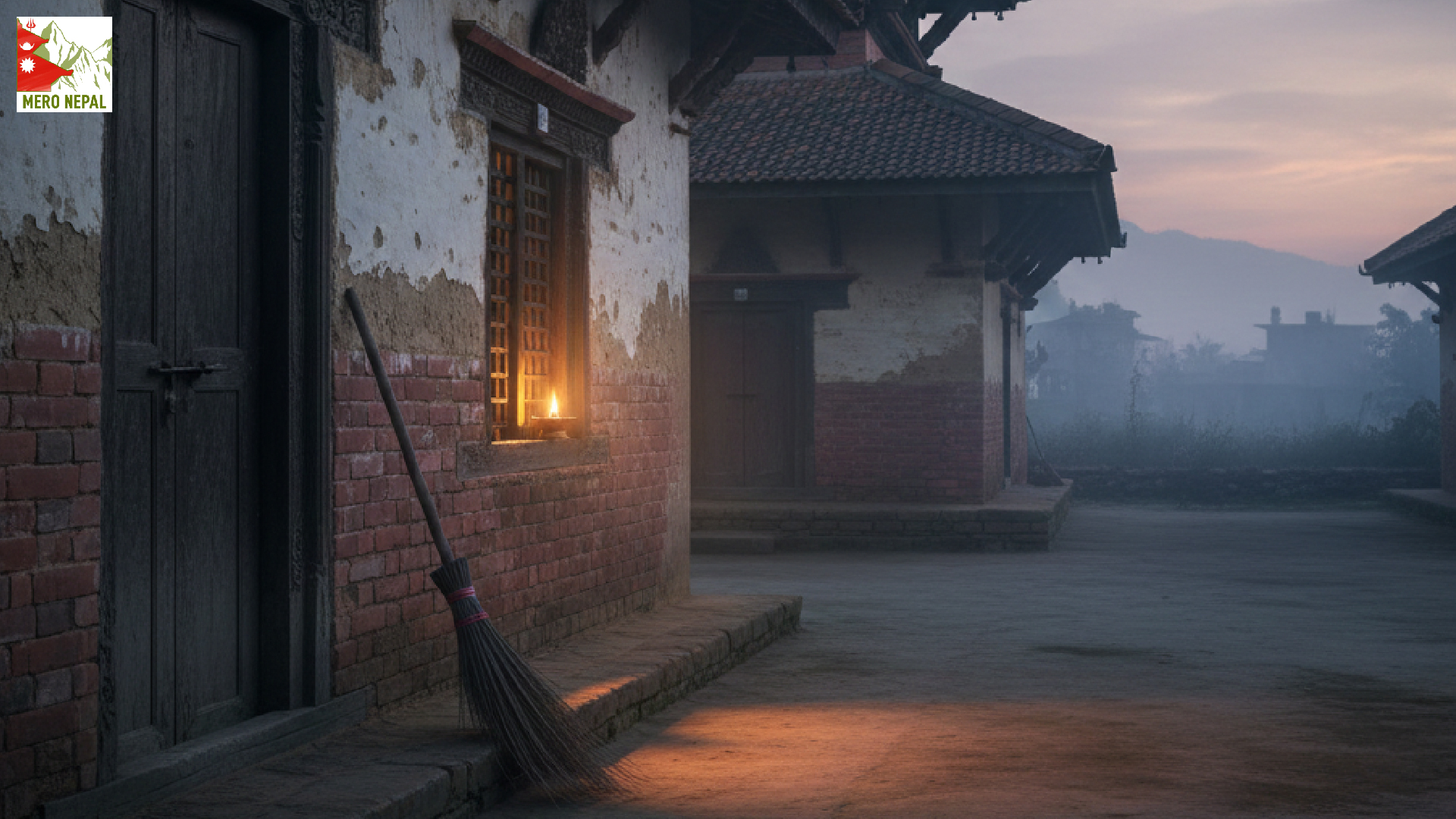
Why Nepali Houses Avoid Sweeping After Sunset: Belief, Environment, and Hidden Practical Wisdom

Introduction: A Small Act with Deep Meaning In many Nepali households, children are often reminded not to sweep the house after sunset. At first glance, this practice may appear to be a simple superstition passed down through generations. However, this everyday rule reflects a layered understanding of spirituality, environment, and practical living. Far from being […]

Continue Reading

Beyond the Horoscope: Using Daily Panchanga to Choose the Best Timing for Life Decisions

Summary Horoscopes can reveal a person’s personality and life potential, but they cannot answer practical daily questions—when to marry, when to start a business, or when to travel. This is where the daily Panchanga comes in. Panchanga is an ancient system that measures the quality of time, helping individuals make the right decisions at the […]

Continue Reading

Maha Shivratri: Significance, Traditions, Sacred Stories, and Spiritual Practices in Nepal

Summary Maha Shivratri, meaning “the Great Night of Shiva,” is one of the most sacred festivals in Hindu tradition. Dedicated to Lord Shiva, it is observed with deep devotion across Nepal and India. The festival symbolizes the union of Shiva and Shakti, spiritual purification, and inner awakening. Through fasting, night-long vigil, prayer, and ritual worship, […]

Continue Reading