Cultural Logic, Beliefs, and Practical Meaning
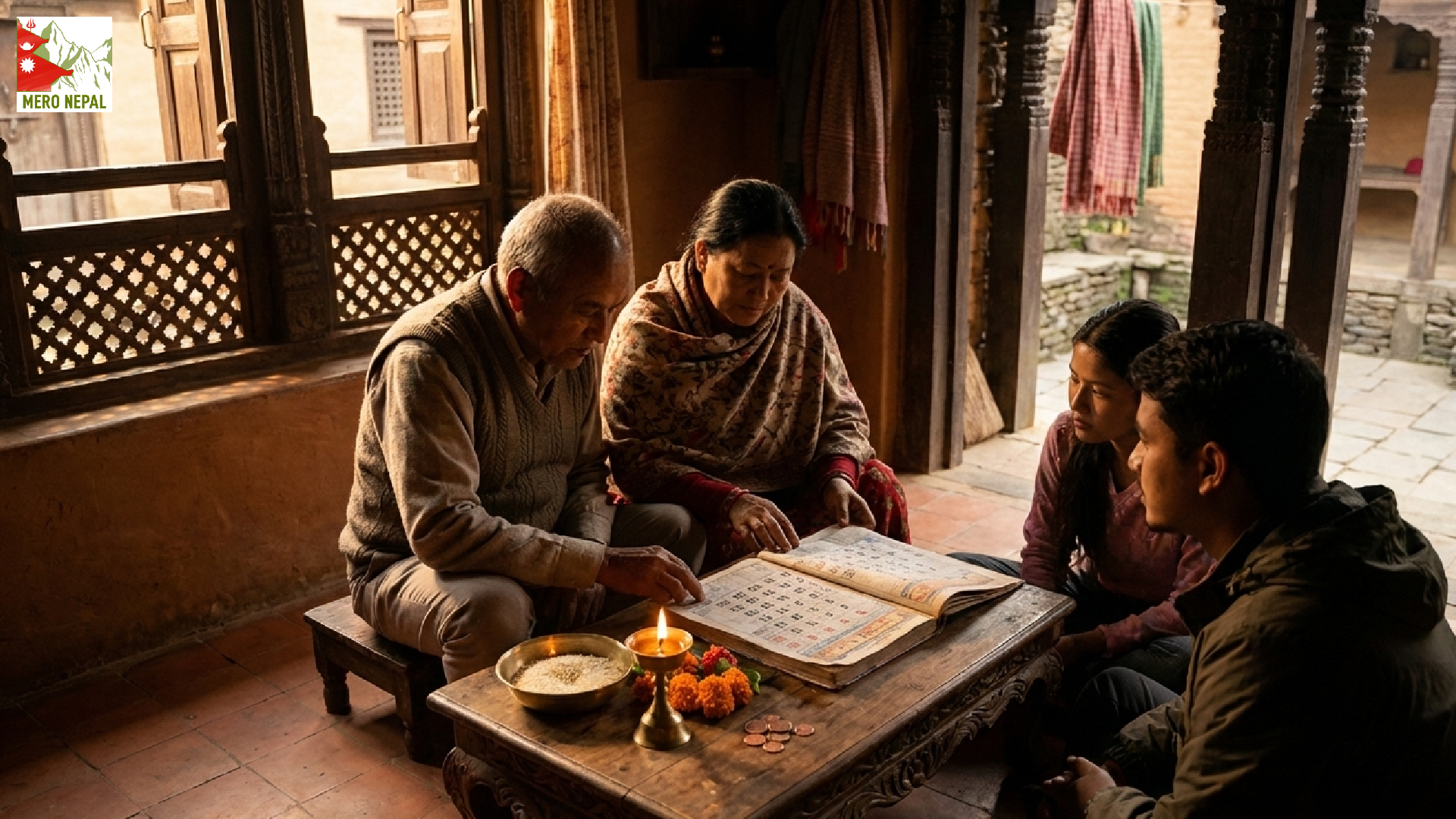
In many households, dates for travel, weddings, business openings, or major life decisions are rarely chosen at random. Families often avoid certain days because it is believed that each day carries qualities that can either support or obstruct an activity. This practice is rooted not only in astrology but also in cultural memory, ritual discipline, and experiences passed down through generations. Understanding why some days are avoided shows how tradition continues to influence modern life.
Today, digital tools like the Mero Nepal App are commonly used to check dates, lunar tithis, and auspicious times, making it easier to follow tradition alongside modern convenience.
The Concept of Auspicious and Inauspicious Days
Time is seen as active rather than neutral. Each day is influenced by lunar phases, planetary positions, and symbolic meanings associated with weekdays or tithis. Auspicious days are believed to align human actions with positive energy, while inauspicious days may create obstacles or delays.
Avoiding certain days is therefore considered a precautionary practice. It reflects mindfulness, respect for tradition, and a desire to begin new ventures under favorable conditions rather than unfavorable ones.
Days Commonly Avoided for Travel
Certain days are considered unsuitable for travel due to their “unstable” or heavy energy. Traveling on these days is thought to increase the risk of delays, accidents, or complications.
Commonly avoided travel days include:
-
Saturday, traditionally associated with restriction and discipline
-
Amavasya (new moon day), representing endings and low energy
-
Days following major rituals or mourning periods, when energy is considered sensitive
These beliefs encourage careful planning and preparedness rather than fear.
Why Certain Days Are Avoided for Weddings
Marriage is regarded as a lifelong commitment, so selecting an auspicious date is essential. Families avoid days that are associated with conflict, imbalance, or unfavorable planetary influence.
Dates commonly avoided for weddings include:
-
Amavasya and some Krishna Paksha days, symbolizing endings
-
Chandra or Guru Asta periods, considered weak planetary influence
-
Months traditionally associated with restraint rather than celebration
Choosing an auspicious date is believed to foster harmony, prosperity, and understanding within the family.
Days Avoided for New Beginnings
Starting a business, moving into a new house, or beginning education are also carefully timed. Days believed to lack supportive energy are avoided to prevent potential obstacles.
Commonly avoided days include:
-
Amavasya, as it represents closure
-
Days reserved for ancestral rituals, intended for remembrance
-
Periods of Sutak or ritual impurity, after birth or death in the family
These practices encourage patience, reflection, and intentional action before making major life decisions.
Cultural Wisdom Behind Avoiding Certain Days
Beyond astrology, these customs have practical and psychological benefits. Avoiding specific days encourages rest, reflection, and sensitivity to important moments. It also reinforces family consensus and social harmony.
Key cultural values reinforced by this practice include:
-
Respect for ancestral knowledge
-
Awareness of timing and consequences
-
Maintaining social cohesion through shared norms
Modern Practice
Apps like the Mero Nepal App help users:
This approach ensures that traditional practices remain relevant and accessible in modern life.
Conclusion
Avoiding certain days for travel, weddings, and new beginnings reflects a worldview in which time, intention, and action are interconnected. Rather than limiting freedom, these traditions encourage thoughtful planning, respect for cultural rhythms, and emotional preparedness. Even today, they continue to guide decisions, helping life unfold in a balanced and harmonious way.