

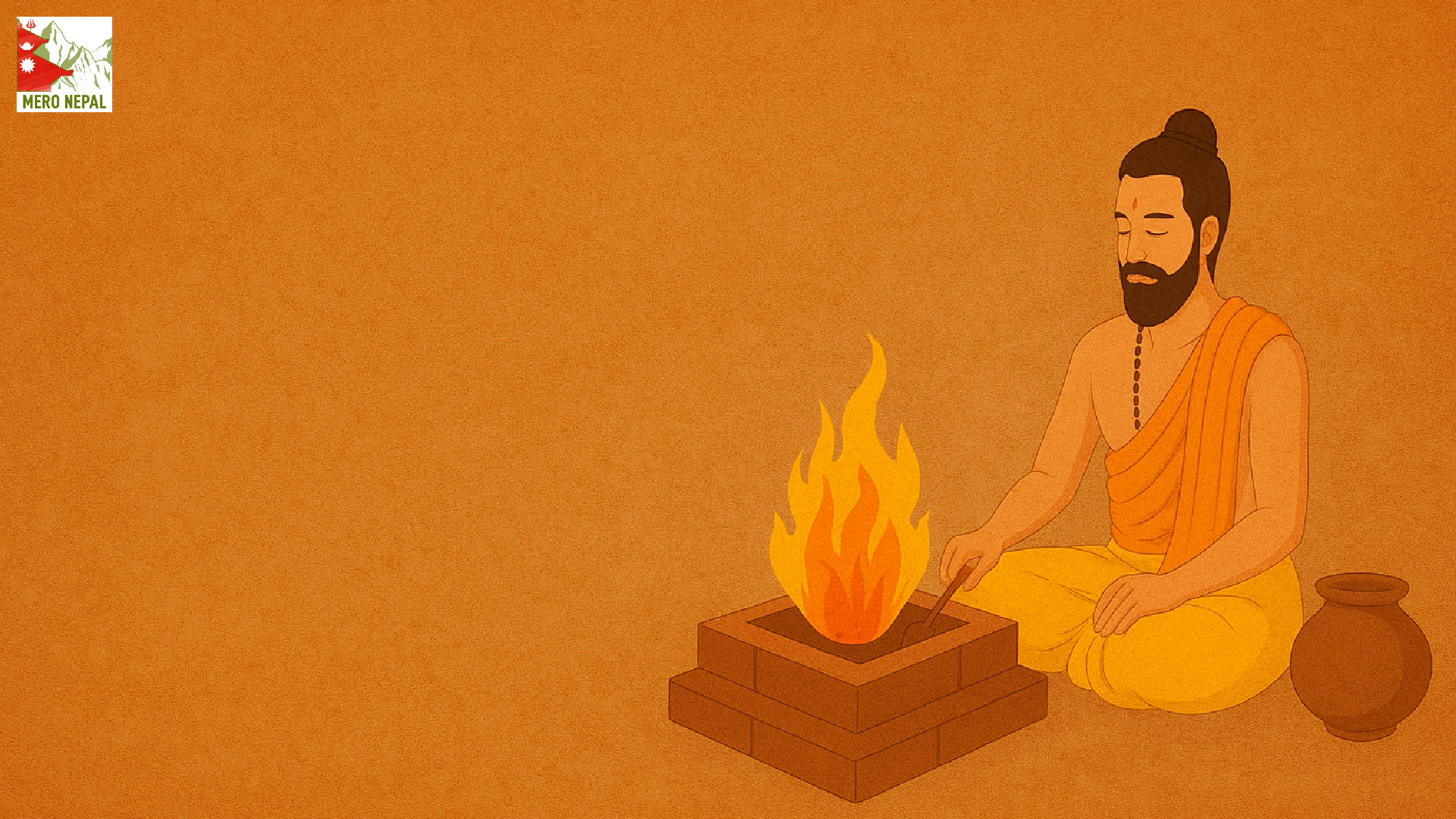
In Hinduism, fire is more than a physical element—it represents life, purity, energy, and divine consciousness. Since the Vedic era, every religious ritual, whether a yajna, havan, puja, or life-cycle ceremony, is considered incomplete without fire. Fire is viewed as the bridge between humans and the divine, carrying offerings, prayers, and intentions to the gods. Its significance, however, is not limited to spirituality; it also holds strong scientific relevance.
Spiritual Importance of Fire
In Vedic philosophy, fire is considered the most sacred of the five elements.
– Agni as Witness: From weddings to sacred vows, fire symbolizes truth, purity, and eternal commitment.
– Messenger to the Divine: Scriptures describe fire as the medium that transports prayers and offerings to the gods.
– Purifier: Burning incense, herbs, ghee, and resin is believed to purify both the atmosphere and the mind.
– Symbol of Light and Knowledge: Lighting a lamp represents the removal of darkness and the awakening of wisdom.
Scientific Perspective of Fire
Hindu rituals integrate science through materials, methods, and the environment they create.
1. Environmental Purification
When ghee, sandalwood, gugul, frankincense, and medicinal herbs are burned:
– Harmful microbes are reduced
– Air becomes cleaner
– Antibacterial and antifungal compounds spread into the environment
This supports the traditional practice of lighting a lamp or incense daily.
2. Natural Aroma and Mental Calm
Studies show that natural scents and smoke can:
– Reduce stress
– Stabilize heart rate
– Improve focus
– Create relaxation
This explains why people feel peaceful during meditation or prayer.
3. Health Benefits of Yajna Smoke
The smoke produced from:
– Ghee
– Camphor
– Basil
– Medicinal wood
can boost immunity, support respiratory health, and improve mental clarity.
4. Fire Improves Concentration
Gazing at a flame increases alpha waves in the brain:
– Enhances focus
– Reduces anxiety
– Helps deeper meditation
Fire meditation (Trataka) is based on this principle.
Role of Fire in Hindu Rituals
1. Marriage (Saptapadi)
The sacred fire is the divine witness to the vows of two souls. It symbolizes purity, truth, and lifelong commitment.
2. Yajna and Havan
Offering materials into fire is a symbol of devotion, sacrifice, gratitude, and prayer for positive transformation. It affects physical, mental, and environmental levels.
3. Funeral Rites
Hinduism views death as a transition into the next life. Fire dissolves the physical body back into the five elements and is considered the purest medium for liberation.
4. Daily Worship
Lighting a lamp or incense removes negativity, creates peace, and expresses devotion.
Meaning of Fire in Modern Life
Even in today’s fast lifestyle, the benefits of fire rituals continue—helping in meditation, mental clarity, health, and spiritual grounding.
Mero Nepal App
Information related to fire rituals, puja methods, auspicious timings, remedies, astrology, and cultural practices is now easily accessible through the MeroNepal app.
The app provides:
– Step-by-step instructions for Hindu rituals
– Lists of materials for puja and yajna
– Auspicious dates, tithi, planetary positions
– Mantras, prayers, stories, and meanings
– Modern, simple user interface
Download link:
https://play.google.com/store/apps/details?id=com.meronepal.app
It is helpful for families and youths who want accurate guidance on performing traditional rituals correctly.
Conclusion
Fire represents purity, energy, knowledge, and divine connection in Hindu tradition. It illuminates not only the environment but also the mind and consciousness. Both scientific and spiritual perspectives support why fire remains central in Hindu rituals. Today, digital tools like MeroNepal help keep these traditions alive and accessible to the modern generation.


