Introduction: Sacred Stones of Nepal
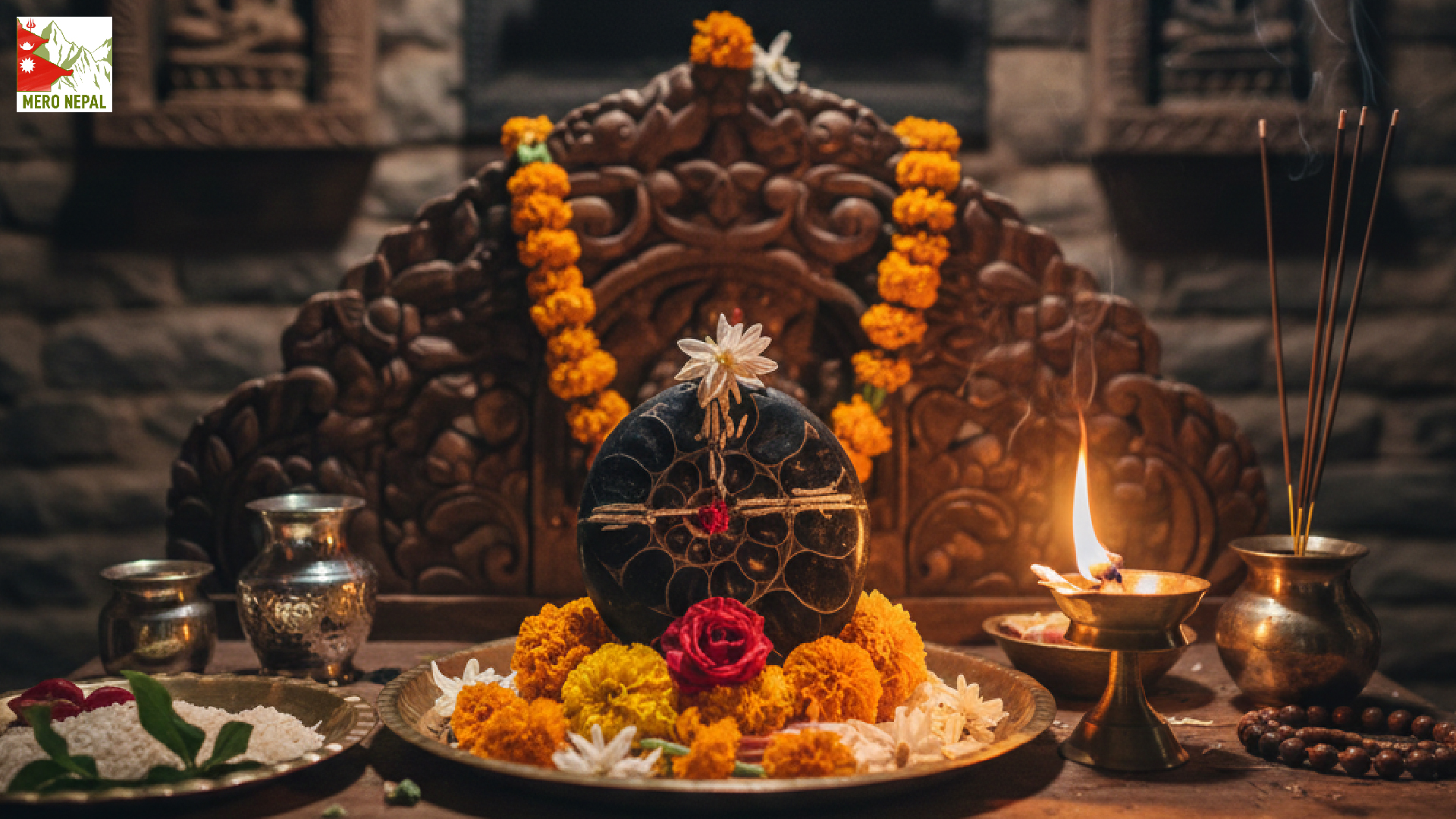
Shaligram stones, also called Shaligram Shila, are sacred black fossilized stones primarily found in Nepal’s Kaligandaki River. Revered in Hinduism, they are considered direct manifestations of Lord Vishnu. Beyond religious significance, Shaligrams carry deep cultural, historical, and mystical importance. They are not just objects of worship but are believed to bring spiritual protection, prosperity, and blessings to households that honor them.
Keeping a Shaligram at home is an ancient tradition in Nepal. Each stone’s shape, markings, and color are believed to carry specific spiritual powers. Families believe that the presence of a Shaligram maintains happiness, prosperity, and positive energy in the home.
Origins and Historical Significance
Shaligram worship is a tradition thousands of years old. Ancient texts such as the Skanda Purana and Padma Purana describe the sacredness of Shaligrams and their connection to Vishnu. The Kaligandaki River is the primary source of these stones in Nepal. Devotees believe that collecting a Shaligram is not just an act of gathering stones—it is a sacred ritual guided by cosmic energy.
Historically, kings and priests placed Shaligrams in temples and homes to ensure protection and prosperity. Worshiping Shaligrams was not only a personal practice but also a symbol of spiritual stability and social security.
Types and Spiritual Significance of Shaligrams
Shaligram stones are classified according to shape, markings, and spiritual meaning. Some stones naturally feature symbols of Vishnu, such as the Sudarshan Chakra, conch, or lotus. Each type is believed to bring specific blessings:
-
Chakra Shaligram – Represents the Sudarshan Chakra and is believed to protect from enemies and difficulties.
-
Padma Shaligram – Lotus-shaped, associated with spiritual awakening and wisdom.
-
Shankh Shaligram – Conch-shaped, symbolizing prosperity and purity.
-
Ashtadash Chinha Shaligram – Stones with 18 natural markings believed to bring special positive energy.
The size, markings, and features of a Shaligram determine how it is worshiped and the specific benefits it brings. Larger stones are usually placed in temples, while smaller ones are kept in homes.
Rituals and Worship Practices
Shaligrams are worshiped daily and during festivals in Nepal.
-
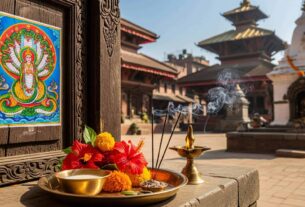
Daily Worship: Washing the stone with water or milk, offering flowers, incense, diya (oil lamp), and food.
-
Special Festival Worship: On Ekadashi, Vaikuntha Ekadashi, and other Hindu festivals, devotees apply sandalwood paste, offer flowers, and recite mantras.
-
Blessings and Gifting: Shaligrams are gifted to newborns, new households, and newlyweds for divine protection.
-
Advanced Rituals: In temples, elaborate rituals may include Panchamrit (five-element milk mixture) and fire offerings.
Regular worship is believed to remove negative energy, bring prosperity, and enhance spiritual growth.
Mystical Beliefs and Protective Powers
Shaligrams are considered more than sacred stones—they are guardians of the home.
-
Protection: Shield homes from misfortune and negative spirits.
-
Prosperity: Enhance financial and familial well-being.
-
Spiritual Guidance: Improve meditation, prayer, and awareness.
-
Positive Energy: Foster mental peace, balance, and harmony in daily life.
Traditionally, the presence of a Shaligram is believed to maintain constant auspiciousness and divine energy in the home.
Historical and Scientific Perspective
Shaligrams are not just religious artifacts—they are fossilized ammonites, millions of years old. This dual significance—religious and geological—makes Shaligrams unique to Nepal. They represent the connection between nature, history, and spirituality.
Shaligrams in Modern Nepal
Shaligrams remain highly revered in modern Nepal. While their religious importance persists, digital tools now help devotees integrate traditional practices into contemporary life. The MeroNepal App provides:
-
Daily Panchanga
-
Auspicious and inauspicious timings
-
Festival dates
This makes it easy to plan Shaligram worship and rituals according to traditional guidelines while bridging ancient knowledge with modern convenience.
Conclusion: A Living Tradition
Shaligram stones are not just objects of art—they are living symbols of faith, protection, and divine presence. Worshiping a Shaligram connects families to centuries of tradition, cosmic energy, and the eternal presence of Lord Vishnu. Their mystical power, historical significance, and rituals have been preserved for generations, making them a vital part of Nepalese cultural and spiritual heritage.