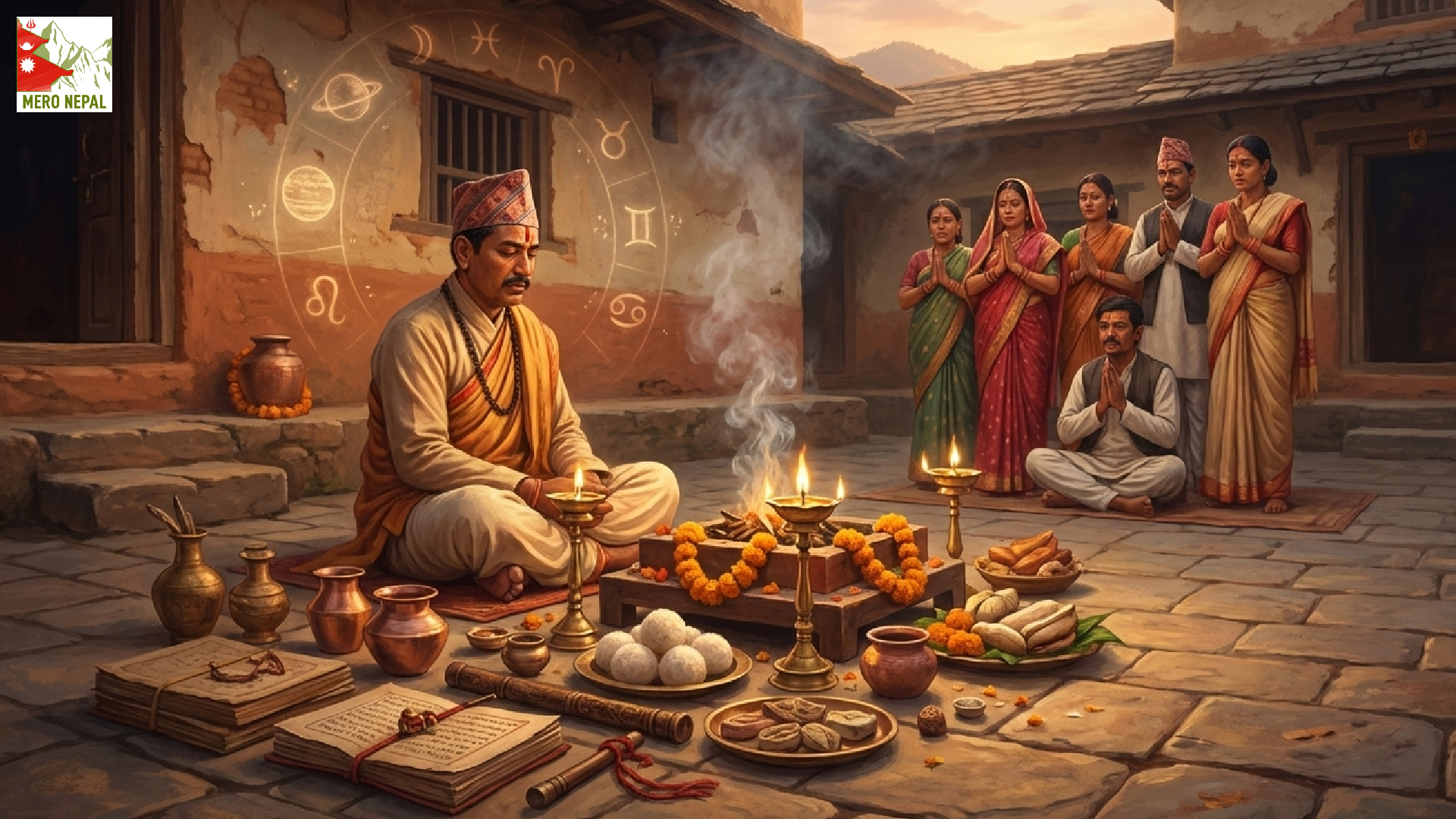
Pitradosh from an Astrological Perspective: A Comprehensive and In-Depth Study

1. Introduction: Philosophical and Spiritual Dimensions of Pitradosh in Vedic Astrology In Vedic Sanatan Dharma and astrology, the concept of Pitradosh is not merely an astrological combination but is deeply rooted in the principles of creation, lineage, and karma. In modern society, it is often viewed as fear or superstition; however, serious astrological research suggests […]

Continue Reading
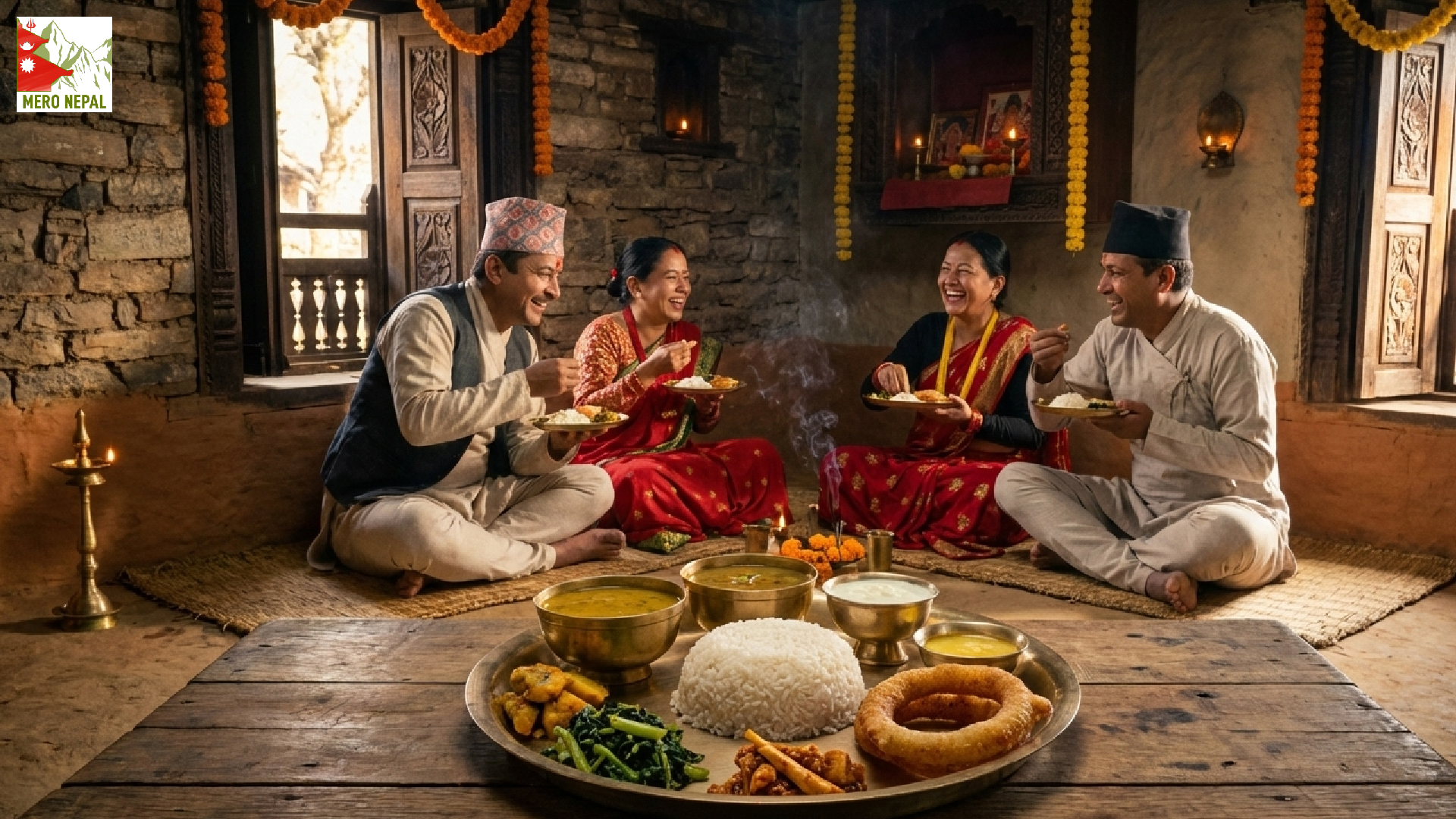
Traditional Food Culture of Nepal: Rituals, Symbolism, and Regional Diversity

IntroductionNepal’s traditional food culture is not merely about eating; it represents a deep connection between history, religion, social structure, and daily life. In Nepali society, food is closely linked with nature, seasons, geography, and spiritual beliefs. Meals are seen as a means of nourishing not only the body but also the mind, soul, and community. […]

Continue Reading

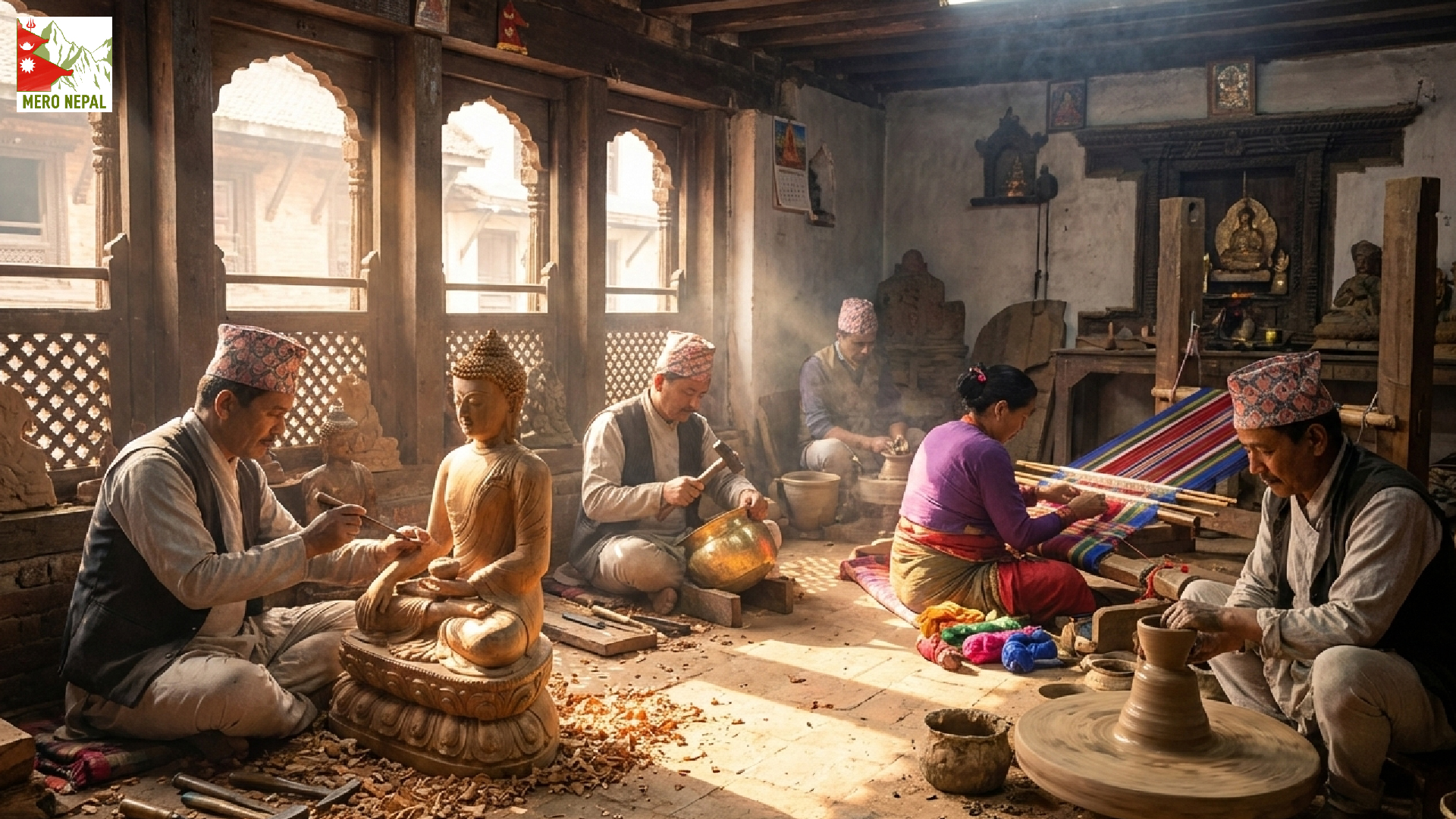
Traditional Nepali Handicrafts and Their Cultural Significance

Introduction Traditional handicrafts hold a central place in Nepal’s cultural identity. They are not only aesthetically pleasing and functional but also preserve Nepalese history, religion, social life, and traditional knowledge. In Nepali society, handicrafts are symbols of cultural, religious, and social values. Local communities incorporate their environment, traditions, lifestyles, and religious beliefs into artistic expressions […]

Continue Reading

The Concept of Dharma in Nepali Society and Its Influence on Daily Decisions

Introduction In Nepali society, dharma is not limited to temples, rituals, or festivals. It serves as a moral, social, and spiritual guide that directs life in the right path. Dharma helps individuals distinguish between right and wrong and provides balance at every level of life. Its influence is evident in everything from small daily decisions […]

Continue Reading

The Science of Water Use in Nepali Temples: Abhishek, Sacred Water, and Ritual Purification

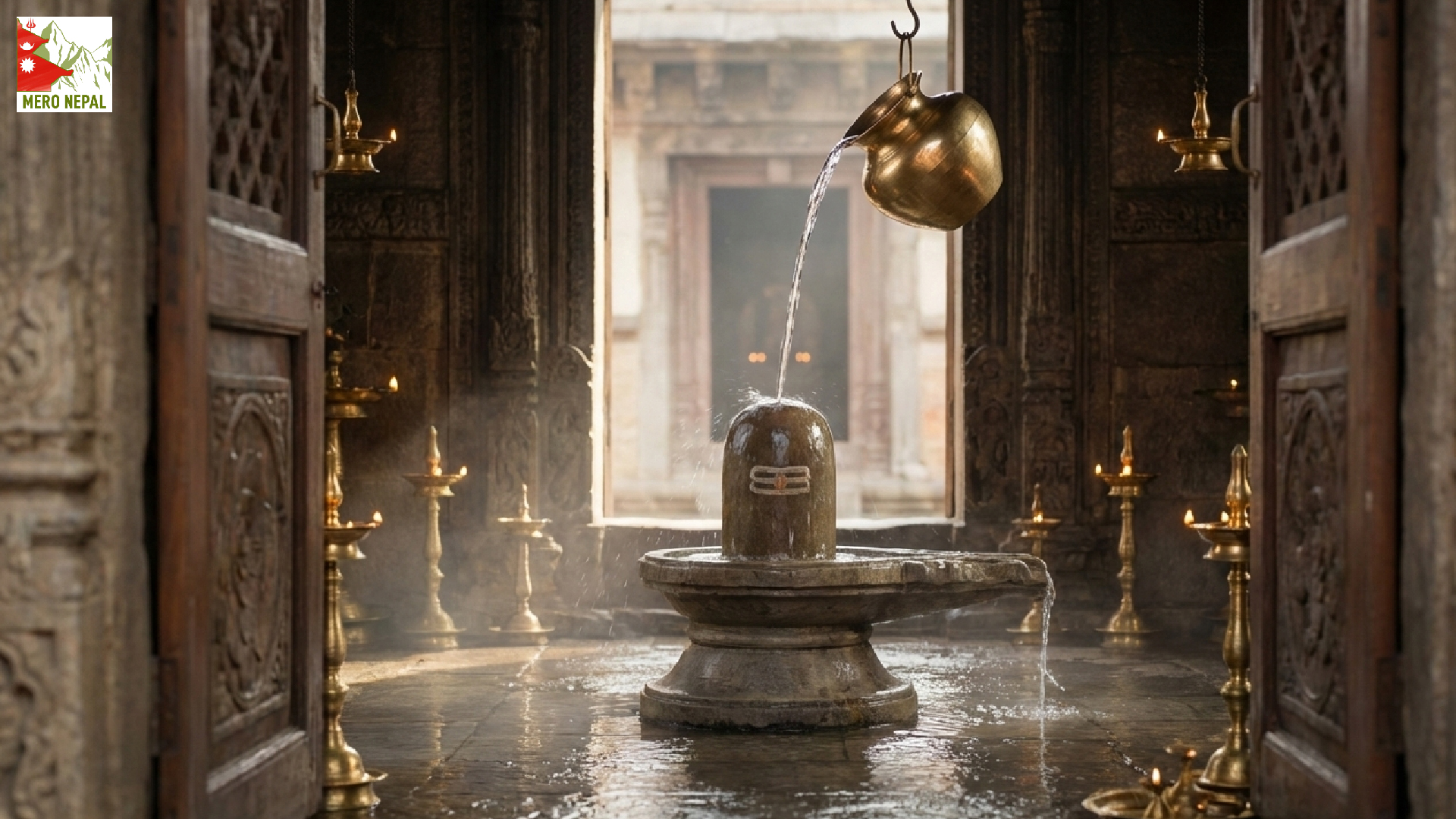
Nepal, widely known as the “Land of the Gods” and a nation of temples, possesses a deeply rooted spiritual culture where every ritual carries layered religious, philosophical, and scientific meaning. Among these rituals, the use of water in temples holds a central and irreplaceable role. From daily abhishek (ritual bathing of deities) to purification rites […]

Continue Reading

Nepal’s Temple Bells: The Science of Sound and Their Religious Significance

Nepal, known to the world as the “Land of the Gods” and the “Country of Temples,” possesses an exceptionally deep and meaningful cultural foundation. The architecture of Nepali temples and the rituals performed within them are not based on tradition alone; they are enriched by advanced principles of science and philosophy. The bells hanging at […]

Continue Reading

The Science of Lighting Lamps in Nepali Temples: The Deep Connection Between Oil, Light, and Consciousness

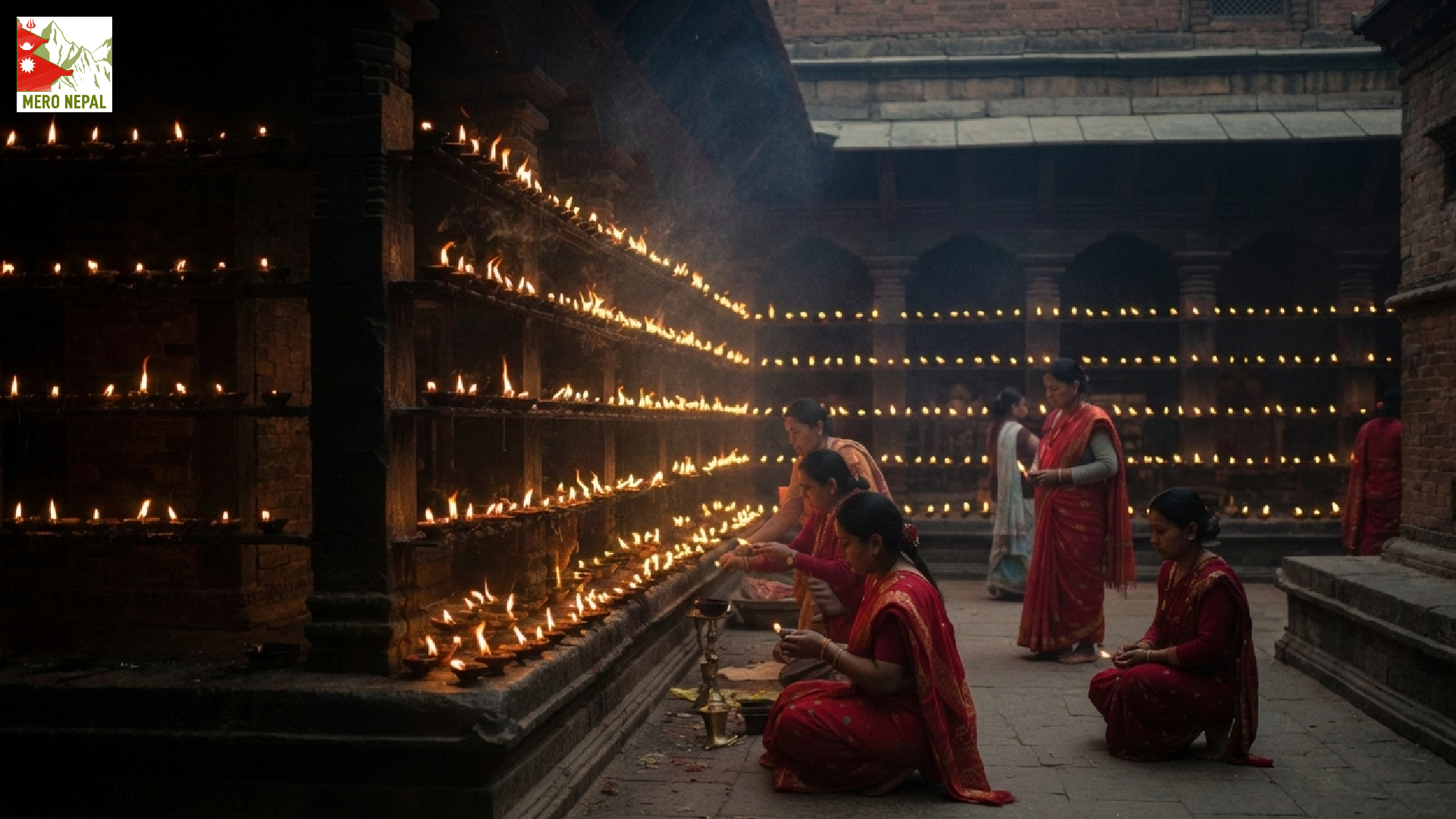
Nepal is a country enriched by ancient civilization, Sanatan philosophy, and a deep-rooted temple culture. Every ritual performed in Nepali temples is not merely a tradition but the result of thousands of years of observation, experimentation, and applied wisdom. Among these rituals, lighting a lamp (Deep Prajwalan) is one of the most common yet profoundly […]

Continue Reading

The Role of Sacred Rivers in Nepali Religious Traditions: Rituals, Festivals, and Daily Worship

Introduction Nepal is known not only for its mountains, hills, and plains but also as a land enriched by sacred rivers. In Nepali religious traditions, rivers are far more than natural water sources; they are symbols of purity, life, and spiritual continuity. From birth to death, religious rituals, daily worship, festivals, and collective spiritual activities […]

Continue Reading

The Spiritual Meaning of the Tithi Cycle in Nepali Religious Practices

Introduction In Nepali religious life, time is not viewed merely as a simple calculation of hours, dates, or calendar days. It is understood as a spiritual cycle connected with nature, consciousness, and human actions. At the center of this worldview lies the tithi cycle. A tithi is determined by the angular relationship between the Moon […]

Continue Reading

Sacred Architecture of Nepal: Spiritual Meaning of Temples, Stupas, and Pilgrimage Sites

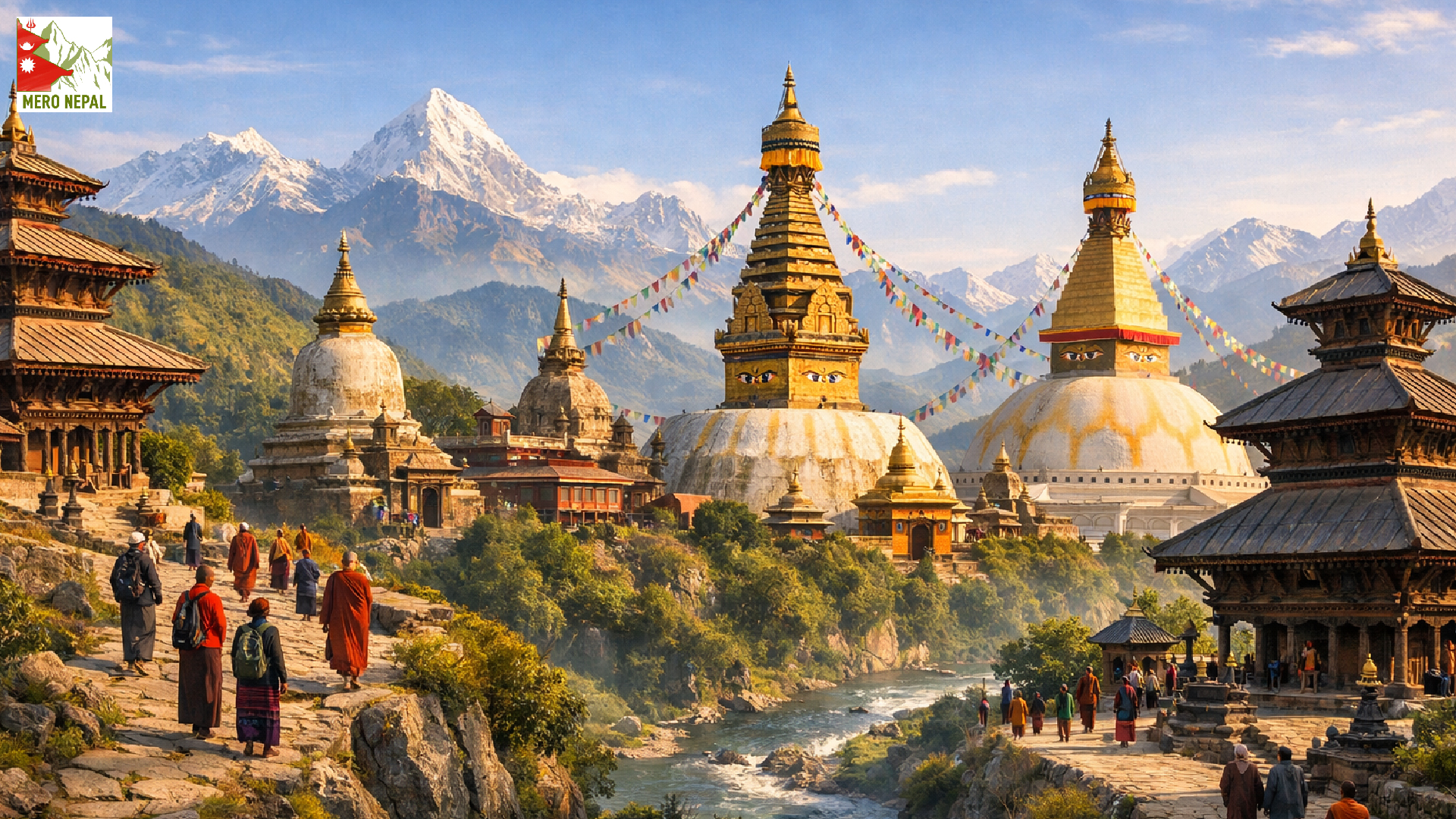
Introduction Nepal’s sacred architecture is not merely a collection of historical structures or artistic achievements. It represents a living spiritual system where faith, geography, culture, and daily life intersect. Temples, stupas, monasteries, and pilgrimage sites across Nepal are designed and positioned with deep spiritual intention. These sacred spaces guide religious practice, preserve tradition, and reflect […]

Continue Reading