Introduction
Nepal is known not only for its mountains, hills, and plains but also as a land enriched by sacred rivers. In Nepali religious traditions, rivers are far more than natural water sources; they are symbols of purity, life, and spiritual continuity. From birth to death, religious rituals, daily worship, festivals, and collective spiritual activities are deeply connected with rivers. Sacred rivers occupy a central place in Nepali religious consciousness and continue to shape cultural and spiritual life across generations.
Sacred Rivers of Nepal and Religious Belief
Many rivers flowing through Nepal are regarded as sacred. Rivers such as Bagmati, Gandaki, Koshi, Karnali, Trishuli, Seti, and Rapti are associated with strong religious beliefs and long-standing traditions. The Bagmati River, closely linked with the Pashupatinath area, is especially revered for ancestral rituals, cremation, and memorial rites. The Gandaki River holds unique importance due to its association with sacred stones used in worship, making it significant in household rituals, marriages, and religious observances. Rivers like Koshi and Karnali are viewed as life-sustaining forces and symbols of religious merit. In Nepali belief, these rivers are not merely locations but living centers of faith.
Role of Rivers in Rituals and Life-Cycle Ceremonies
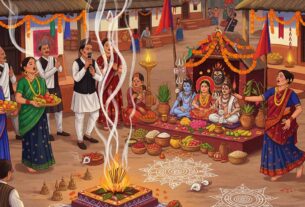
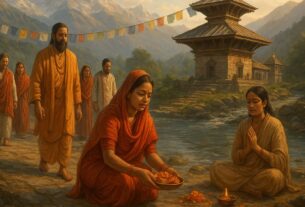
Rivers play an essential role in most religious rituals and life-cycle ceremonies in Nepal. Sacred water from rivers is used during naming ceremonies, first feeding rituals, initiation rites, weddings, and housewarmings. River water is believed to provide purity, spiritual protection, and positive energy. Ancestral rituals and cremation ceremonies are traditionally performed on riverbanks, where offerings and prayers are made for the peace of departed souls. Rivers are seen as witnesses to these rituals, strengthening their spiritual impact and religious meaning.
Importance of Rivers in Festivals and Religious Occasions
Many major Nepali festivals are directly connected with rivers. During Chhath, devotees stand in rivers or water bodies to offer prayers to the sun. On Maghe Sankranti, ritual bathing in rivers followed by charity is believed to cleanse sins and bring spiritual merit. Festivals such as Bala Chaturdashi, Teej, Ekadashi, and Amavasya also involve river bathing and worship. Through these festivals, rivers become centers of collective devotion, social harmony, and shared religious experience.
Rivers in Daily Worship and Spiritual Practice
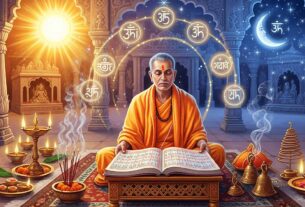
For many Nepalis, rivers are part of daily spiritual life. Morning river bathing, offering water, meditation, and prayer are still practiced in many regions. The continuous flow of a river symbolizes the cycle of time, karma, and life itself. Sitting near a river for meditation is believed to calm the mind and deepen spiritual awareness. Rivers inspire patience, reflection, and a sense of inner balance in everyday religious practice.
Cultural and Social Dimensions of Sacred Rivers
Beyond religion, rivers play an important cultural and social role in Nepali society. Riverbanks often host fairs, religious gatherings, and cultural events. These activities strengthen community bonds and help preserve traditional knowledge. Folk stories, devotional songs, hymns, and local legends connected to rivers enrich Nepal’s cultural identity. Life around rivers encourages cooperation, coexistence, and respect for nature, reinforcing shared social values.
Environmental Awareness and River Conservation
Religious reverence for rivers has also contributed to environmental awareness. Since rivers are considered sacred, there is a moral and spiritual responsibility to keep them clean and protected. Although pollution and urban expansion pose challenges today, religious awareness continues to support river conservation efforts. Protecting sacred rivers is increasingly seen as both a religious duty and an environmental responsibility, linking spiritual values with ecological balance.
Continuing Importance of Sacred Rivers in Modern Times
Despite modernization, urbanization, and changing lifestyles, the importance of sacred rivers in Nepali religious life remains strong. Rituals, festivals, and ceremonies continue to revolve around rivers. Digital platforms and religious apps now provide information about river-related festivals, rituals, and auspicious timings, helping bridge traditional beliefs with modern living.
For reliable information on Nepali religious traditions, sacred rivers, festivals, tithis, and rituals, the Mero Nepal App is a useful resource. The app provides daily religious updates, festival calendars, and in-depth cultural articles, making traditional knowledge easily accessible.
Download link: https://play.google.com/store/apps/details?id=com.meronepal.app
Conclusion
Sacred rivers hold a profound and multidimensional role in Nepali religious traditions. Their influence extends across rituals, festivals, daily worship, cultural life, and environmental awareness. Rivers provide spiritual purity, cultural continuity, and a shared sense of identity within Nepali society. Even as times change, devotion to sacred rivers remains a living foundation of Nepal’s religious and cultural life.