Introduction
Tihar, also known as Deepawali or Yamapanchak, is a five-day Hindu festival celebrated across Nepal. The festival honors family, animals, deities, and social bonds. Its main themes are light, love, wealth and prosperity (Lakshmi), and sibling relationships (Bhai Tika).
During Tihar, homes are cleaned, decorated, and illuminated with oil lamps. The festival strengthens social and religious values. For detailed guidance on rituals, auspicious timings, and mantras, the Mero Nepal App provides a complete step-by-step guide.
Why is Tihar Celebrated?
Tihar celebrates several important aspects of life:
-
Family and Relationships – Bhai Tika strengthens the bond between brothers and sisters.
-
Wealth and Prosperity – Lakshmi Puja brings blessings of prosperity and abundance to households.
-
Animal Welfare – Worship of dogs, cows, and oxen highlights respect for animals.
-
Social Harmony – Deusi–Bhail traditions promote community support and joy.
Mythological Stories: Bhai Tika originates from the story of Yama and his sister Yamuna, who applied a ceremonial tika on her brother’s forehead, prompting Yama to bless her with long life. Lakshmi Puja is linked to the arrival of Goddess Lakshmi after the Samudra Manthan, while Govardhan Puja commemorates Krishna lifting the Govardhan hill to protect villagers.
Tihar’s Five Days and How They Are Celebrated
Day 1 – Crow (Kag) Tihar
Crows are considered messengers of fortune. People place rice, sweets, or fruits on rooftops or courtyards as offerings. Families exchange good wishes, and homes are cleaned and brightened.
Day 2 – Dog (Kukur) Tihar
Dogs symbolize loyalty and protection. They are bathed, adorned with garlands and tika, and offered special food. Street dogs are also cared for on this day.
Day 3 – Cow (Gai) Tihar (Morning) and Lakshmi Puja (Evening)
-
Cow Tihar: Cows are honored as family members with garlands, tika, and special offerings to ensure health and prosperity.
-
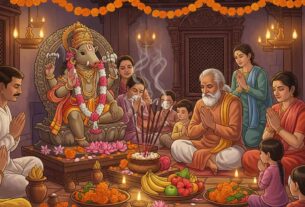
Lakshmi Puja: Homes are cleaned, decorated with rangoli or mandala designs, and idols of Lakshmi and Ganesh are placed. After Ganesh prayers (
Om Gam Ganapataye Namah), Lakshmi mantras (Om Shreem Mahalaxmyai Namah) are recited. Flowers, rice, sweets, fruits, and coins are offered. Business households secure ledgers and cash.
App Promotion: The Mero Nepal App provides accurate timings, mantras, and step-by-step guidance for performing Lakshmi Puja at home.
Day 4 – Govardhan Puja / Mha Puja
Cows and oxen are worshiped. Govardhan Puja includes a small hill of clay or cow dung decorated with flowers, food, and lamps. Among the Newar community, Mha Puja purifies the soul and marks the beginning of the New Year. Family members bless and honor each other.
Day 5 – Bhai Tika
Sisters apply multi-colored tika on their brothers’ foreheads, wishing them long life and prosperity. Garlands, sweets, and gifts are offered. Brothers reciprocate with blessings and presents, strengthening family ties.
Deusi–Bhail and Social Significance
During Deusi–Bhail, groups visit houses singing and dancing while sharing joy. They receive food, sweets, fruits, or cash from homeowners. Children, youth, and elders all participate. LED lamps and digital calendars are increasingly used in modern celebrations.
Materials and Mantras
Materials:
-
Lamps, oil/ghee, flowers, rice, sweets, fruits, tika/rangoli, garlands
-
Lakshmi Puja: idol, coins, kalash
-
Bhai Tika: multi-colored tika, garlands, sweets, gifts
Main Mantras:
-
Ganesh:
Om Gam Ganapataye Namah -
Lakshmi:
Om Shreem Mahalaxmyai Namah -
Yama (Bhai Tika):
Om Yamrajaya Namah
Regional Variations and Modern Practices
-
Newar community: Mha Puja and Sagun tradition
-
Terai region: Large Deusi–Bhail groups
-
Himal/Tharu communities: Folk songs and animal worship
-
Nepali diaspora: LED lamps and digital calendars
App Promotion: With Mero Nepal App, you can get region-specific rituals, auspicious timings, and step-by-step instructions for performing all Tihar ceremonies.
FAQs
-
Q: Is Tihar the same as Diwali?
A: Although related, Tihar is a separate five-day festival celebrated in Nepal. -
Q: Why is multi-colored tika used?
A: It symbolizes protection and the blessings of Yama and Yamuna. -
Q: What if a brother is not available?
A: Sisters can perform Bhai Tika for cousins, friends, or community members. -
Q: Can Lakshmi Puja be performed without a priest?
A: Yes, with simple procedures followed at home.
Conclusion / App Promotion
For a complete Tihar preparation guide, including materials, mantras, and auspicious timings, download the Mero Nepal App. It helps you perform all rituals efficiently and on time, making your Tihar celebration easy, organized, and meaningful.