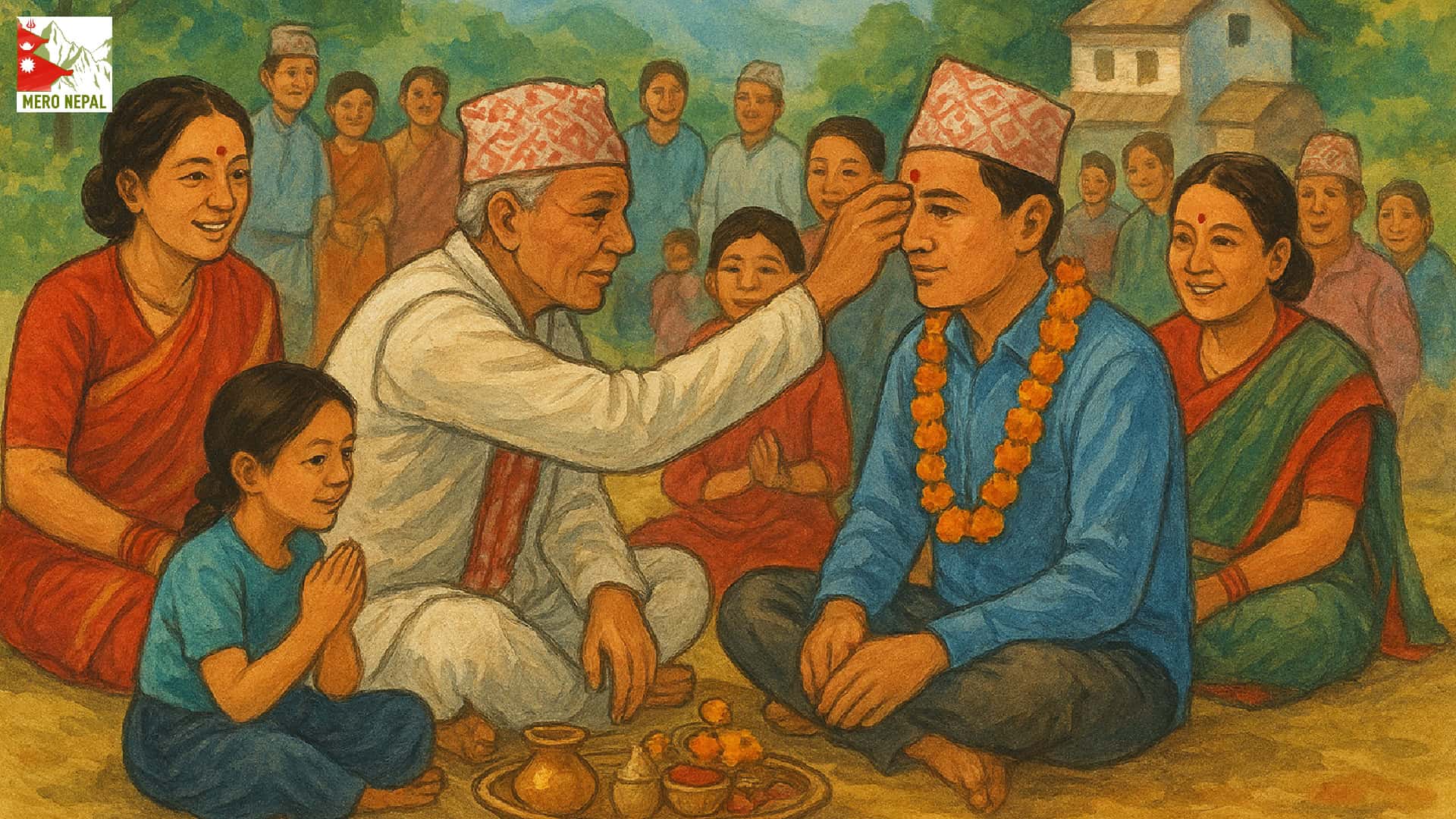
Rituals and community bonds are deeply intertwined in Nepali society. In a country rich with cultural diversity, festivals, religious practices, and traditions serve not only as spiritual expressions but also as powerful ways to bring people closer. Rituals and community bonds form the strong foundation of social unity in Nepal.
Festivals Strengthen Social Ties
In Nepal, festivals like Dashain, Tihar, Holi, and Teej are more than celebrations; they are occasions of togetherness. Families, neighbors, and even strangers come together for prayers, visits, and communal feasts. These traditions help strengthen rituals and community bonds in Nepal, creating harmony across generations and regions.
Shared Religious Practices
Daily pujas, yajnas, and offerings at temples and monasteries encourage people to gather regularly. Such practices become opportunities for knowledge-sharing and passing down moral and cultural values. By participating in these rituals collectively, people cultivate trust, cooperation, and a deeper sense of community belonging.
Still stressing about “When exactly is today’s puja or festival?” Relax! Mero Nepal App is here to simplify your cultural life. With accurate calendars, timings, and ritual guides, you won’t have to keep asking Google for festival details. Everything you need is right inside one app!
Mero Nepal App – your cultural life’s smart companion.
Importance of Rituals and Community Bonds
Life events such as birth ceremonies, weddings, and death rituals hold deep community significance in Nepal. From Pasni (rice-feeding ceremony) to traditional marriages and ancestor rituals, collective participation strengthens rituals and community bonds in Nepal. These moments remind us that traditions are not meant to be lived alone but celebrated together.
Mutual Aid and Service
Many rituals in Nepal emphasize charity and giving. During festivals like Tihar, people give to neighbors, animals, and those in need. These practices cultivate empathy, generosity, and a sense of responsibility toward the community, further reinforcing rituals and community bonds.
Preserving Cultural Identity
Rituals act as living repositories of history and tradition. They teach younger generations about values, folklore, and religious teachings. Community participation ensures these practices stay alive, preserving Nepal’s cultural identity for the future. In this way, rituals safeguard both heritage and community bonds.
Building Social Networks
Ritual preparations—such as decorating homes, preparing communal feasts, or organizing processions—demand teamwork. This fosters problem-solving, cooperation, and strong neighborhood relationships, turning communities into extended families.
Conclusion
In Nepal, rituals are far more than religious obligations; they are the threads that weave the social fabric. By sharing traditions, Nepali communities strengthen relationships, build trust, and preserve their cultural heritage. In this sense, rituals and community bonds in Nepal are the foundation of unity and resilience.