Introduction
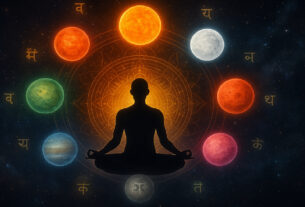
In Hindu tradition, Muhurat refers to an auspicious time selected for performing important activities, rituals, and festivals. Choosing the right Muhurat is considered essential to ensure success, prosperity, and divine blessings. Hindus believe that timing is not arbitrary; planetary positions, tithis (lunar days), nakshatras (constellations), and weekday energies influence the effectiveness of any ritual.
Muhurat is particularly emphasized during weddings, housewarmings, poojas, investments, and festivals. Performing ceremonies at an auspicious Muhurat enhances spiritual merit, strengthens social bonds, and ensures positive outcomes in personal and family life.
👉 For more insights into Hindu rituals and auspicious timings, download Mero Nepal App.
Muhurat in Hindu Festivals
During major Hindu festivals such as Diwali, Navaratri, Dashain, Janmashtami, and Ganesh Chaturthi, priests and astrologers determine specific Muhurats for key rituals:
Diwali: Lakshmi Puja is performed during Shubh Muhurat to invite prosperity and wealth into the home.
Navaratri: Goddess Durga’s ceremonies are performed in specific Muhurats to maximize spiritual benefits.
Janmashtami: Krishna Janmashtami rituals, including fasting and midnight prayers, follow precise Muhurats.
Ganesh Chaturthi: Murti installation and Ganesh Puja are timed to ensure auspicious beginnings and removal of obstacles.
Significance:
Spiritual: Aligns human actions with cosmic energies.
Cultural: Preserves traditional calendar-based practices.
Social: Provides a common reference for communities to organize collective celebrations.
Muhurat in Rituals
Beyond festivals, Muhurat is crucial for personal and family rituals:
Weddings: Choosing a Shubh Muhurat ensures a harmonious and prosperous married life.
Housewarming (Griha Pravesh): Timing the entry into a new home during a favorable Muhurat brings peace and prosperity.
Initiations and Sacraments (Sanskaras): Birth ceremonies, naming ceremonies, and thread ceremonies rely on Muhurat to maximize blessings.
Business and Investments: Launching new ventures, signing contracts, or purchasing assets at a favorable Muhurat is believed to ensure success.
Significance:
Spiritual: Harmonizes human activity with cosmic rhythms.
Cultural: Connects rituals to the Hindu calendar and astrological wisdom.
Social: Standardizes celebrations across families and communities.
How Muhurat is Calculated
The selection of a Muhurat is based on several factors:
Tithi (Lunar day): Each lunar day has specific energies suitable for different activities.
Nakshatra (Constellation): The position of the Moon in a particular constellation influences outcomes.
Yoga and Karana: Combinations of time units that add auspicious or inauspicious energy.
Planetary Positions: Influence personal and collective destiny.
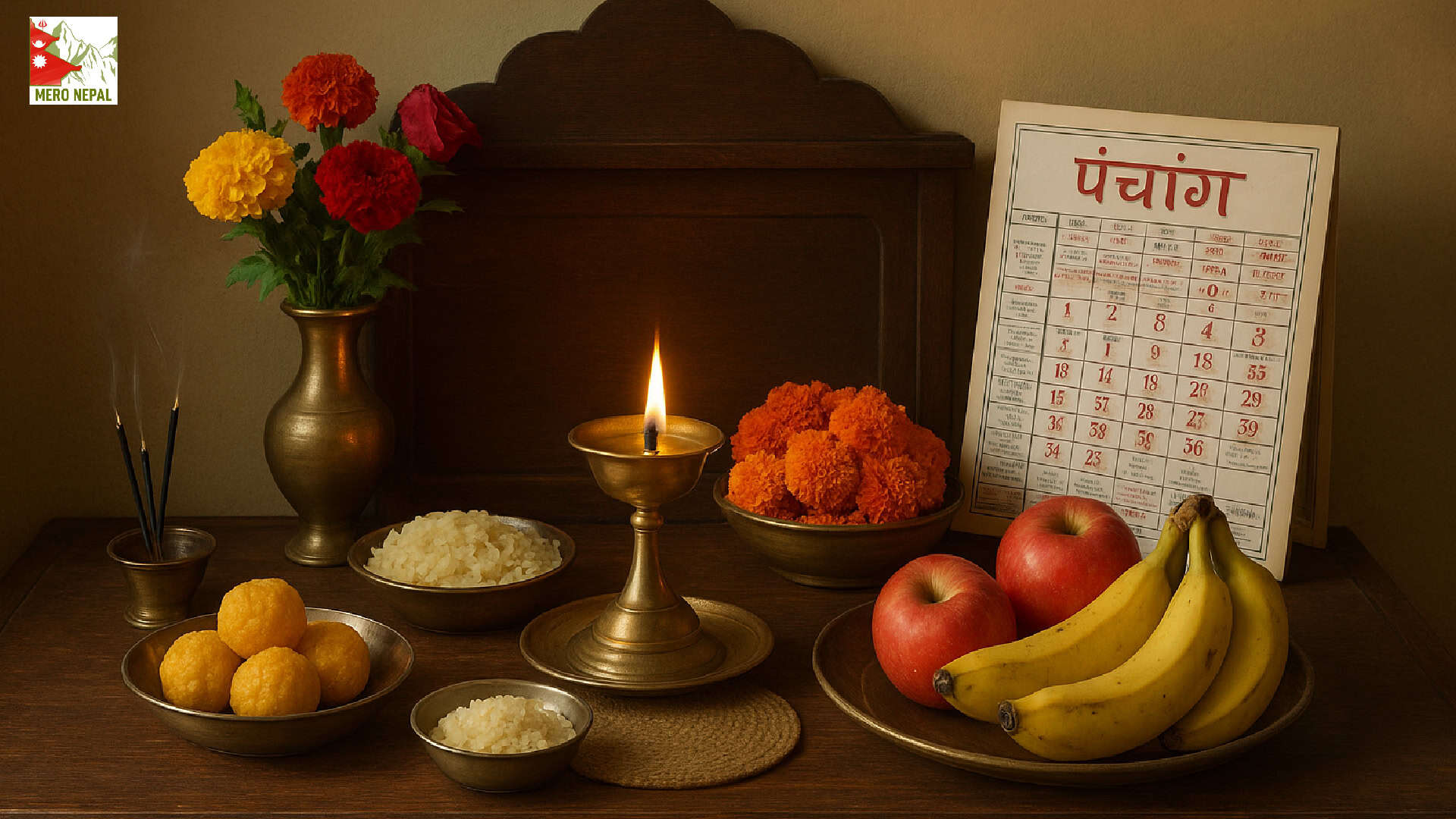
Astrologers or pandits consult the Panchang (Hindu calendar) to identify the most favorable Muhurat for a specific ritual or event.
Conclusion
Muhurat is an indispensable aspect of Hindu festivals and rituals, reflecting a profound understanding of time, astrology, and cosmic harmony. Observing a Shubh Muhurat is believed to enhance spiritual merit, ensure success, and strengthen cultural and social bonds. Whether it is a major festival, wedding, or simple household ritual, Muhurat guides devotees to act in alignment with cosmic energies, fostering a sense of auspiciousness, positivity, and tradition.
👉 For more insights into Hindu rituals and auspicious timings, download Mero Nepal App.