Nepal, known as the Land of the Himalayas, is home to some of the highest and most sacred peaks in the world. Beyond their natural grandeur, these mountains hold deep spiritual importance in Hindu and Buddhist traditions. Pilgrimages, meditation practices, and rituals performed on these peaks are an essential part of Nepali culture and religious life.
1. Spiritual Significance of Himalayan Peaks
In Nepali tradition, mountains are considered abodes of gods and goddesses. Examples include:
Mount Everest (Sagarmatha) – associated with Goddess Chomolungma, revered for its pure energy.
Annapurna – linked with the goddess of nourishment and abundance.
Langtang and Manaslu regions – sacred sites for meditation retreats and spiritual cleansing.
Pilgrims believe that climbing these peaks or meditating nearby enhances spiritual consciousness, purifies the mind, and strengthens the connection with the divine.
2. Pilgrimage Practices
Nepali pilgrims typically follow these practices when visiting sacred mountains:
Yatra (Pilgrimage Walks): Following traditional trails to reach sacred sites.
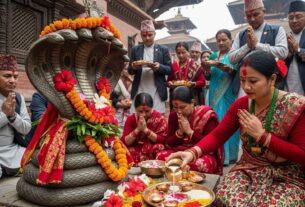
Offerings (Puja): Presenting flowers, incense, and symbolic items at shrines or natural altars.
Mantra Chanting: Devotees chant mantras softly or mentally to align with the mountain’s energy.
3. Meditation Practices on Sacred Peaks
The serene Himalayan environment provides an ideal setting for meditation. Spiritual practitioners often:
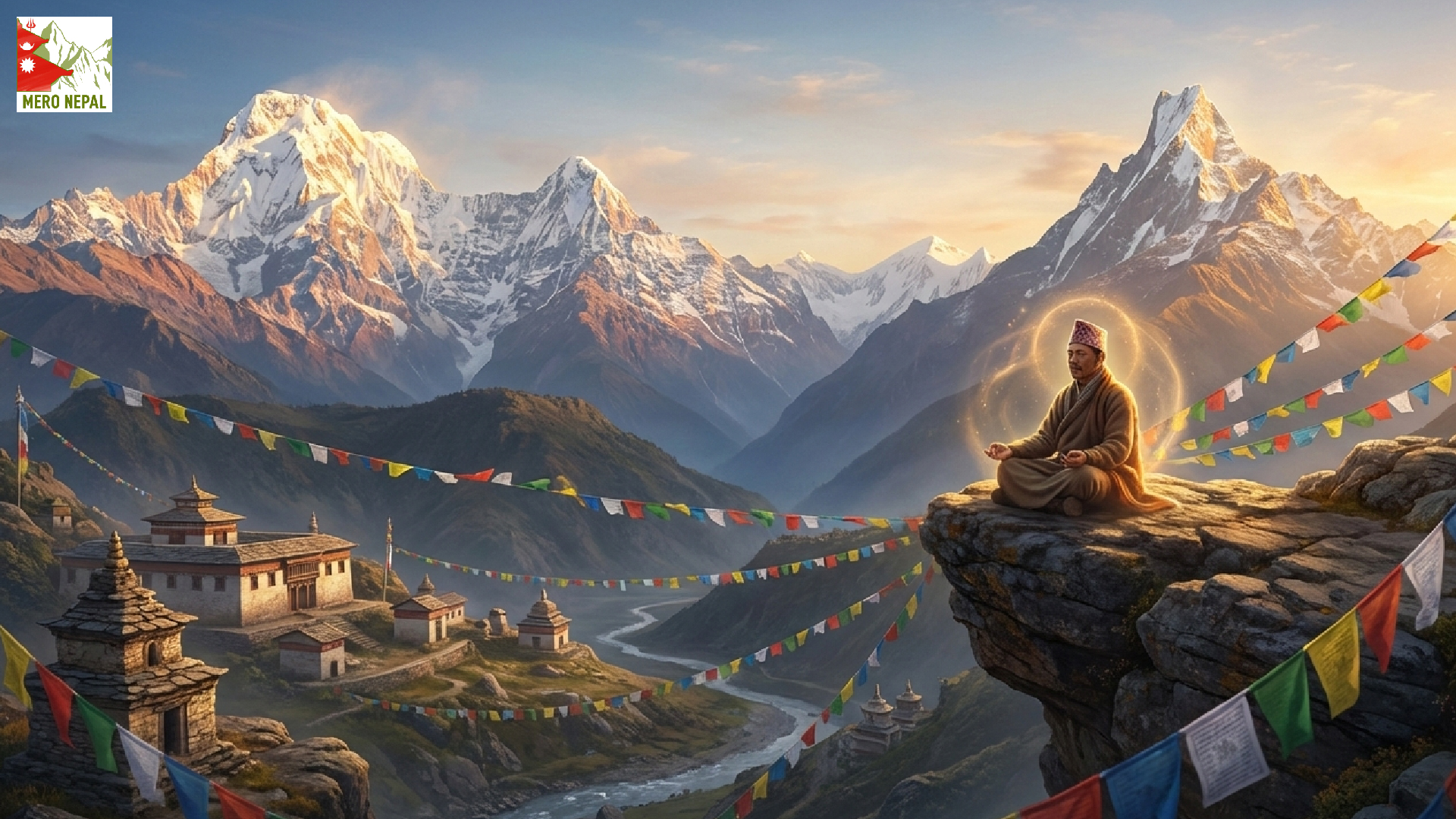
Sit quietly near cliffs, glacial lakes, or monasteries.
Perform breath-focused meditation to align mind, body, and prana.
Chant sacred mantras softly (mand swar) to harness the surrounding spiritual energy.
Meditating in these sacred locations is believed to enhance mental clarity, emotional stability, and spiritual insight.
4. Healing and Energy of the Peaks
Himalayan peaks are considered repositories of positive energy. Pilgrims and spiritual seekers experience:
Mental calmness from the serene environment
Prana balance due to fresh air and subtle energy
Emotional purification through rituals and meditation
Visiting sacred peaks is not only a spiritual journey but also a holistic healing experience, benefiting both mind and body.
5. Cultural Stories and Legends
Nepali mountains are steeped in mythology and folklore:
Everest (Sagarmatha): Believed to be home to protective deities.
Annapurna: The goddess blesses devotees with abundance and protection.
Langtang: Tales speak of sages and yogis attaining enlightenment in its peaks.
These stories guide pilgrims on rituals, meditation, and ethical conduct during their journey.
6. Modern Accessibility and Spiritual Guidance
Panchang and auspicious date tracking for peak visits
Meditation and mantra guidance suited for high-altitude practice
Ritual reminders and puja tracking to maintain spiritual discipline
This digital guidance ensures a safe, organized, and spiritually aligned pilgrimage.
7. Environmental and Ethical Awareness
Sacred peaks also teach pilgrims to respect nature:
Preserve mountain flora and fauna
Avoid littering and pollution
Respect local customs and monastery rules
8. Conclusion
Nepal’s sacred peaks are more than natural wonders; they are spiritual gateways for meditation, purification, and divine connection. Pilgrimages and meditation practices on these mountains have been a cornerstone of Nepali culture for centuries.
Digital tools like Meronepal make it easier to:
Track auspicious dates
Plan pilgrimage journeys
Follow meditation and ritual guidance
“The Himalayas are not just mountains; they are temples of consciousness, waiting to awaken the soul.”
Download the Meronepal App: Play Store Link
Plan your spiritual journey, track rituals, and meditate with guidance wherever you go.