Introduction
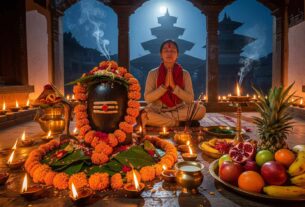
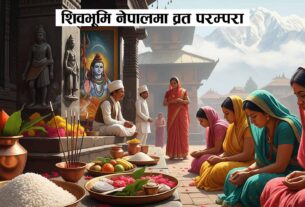
Hindu puja is a sacred ritual performed to honor deities, seek blessings, and cultivate spiritual merit. Central to these rituals are offerings, which act as a medium of devotion and a symbolic connection between devotees and the divine. Among these, flowers, fruits, and prasadam are the most common and meaningful offerings.
Offering these items is more than a ritual act—it reflects purity, devotion, and the surrender of worldly attachments. When offered to the deity, they create a sacred environment and are believed to bring spiritual merit and blessings. They also strengthen family and community bonds when shared among relatives and devotees.
Flowers in Hindu Puja
Flowers are considered one of the most sacred and aesthetically pleasing offerings in Hindu worship. They symbolize purity, beauty, and devotion, enhancing the spiritual ambiance of the puja space. Specific flowers are associated with particular deities:
Lotus: Associated with Lord Vishnu and Goddess Lakshmi, symbolizing purity and spiritual enlightenment.
Marigold: Commonly used for Lord Ganesha and general auspicious rituals, representing vitality and good fortune.
Jasmine: Represents devotion, calmness, and spiritual awakening.
Spiritual Significance:
Offering flowers conveys a devotee’s surrender and devotion, purifies the mind, and fosters a sacred atmosphere for worship and meditation.
Cultural Significance:
Flowers are widely used to decorate altars and temples, especially during festivals like Navaratri, Diwali, and Ganesh Chaturthi.
Social Significance:
Preparing flowers for puja encourages family and community participation, strengthening bonds and fostering a shared spiritual experience.
Fruits in Hindu Puja
Fruits are a wholesome and pure offering, symbolizing abundance, prosperity, and respect for nature. Offering fruits signifies a devotee’s willingness to surrender the fruits of their actions to the divine.
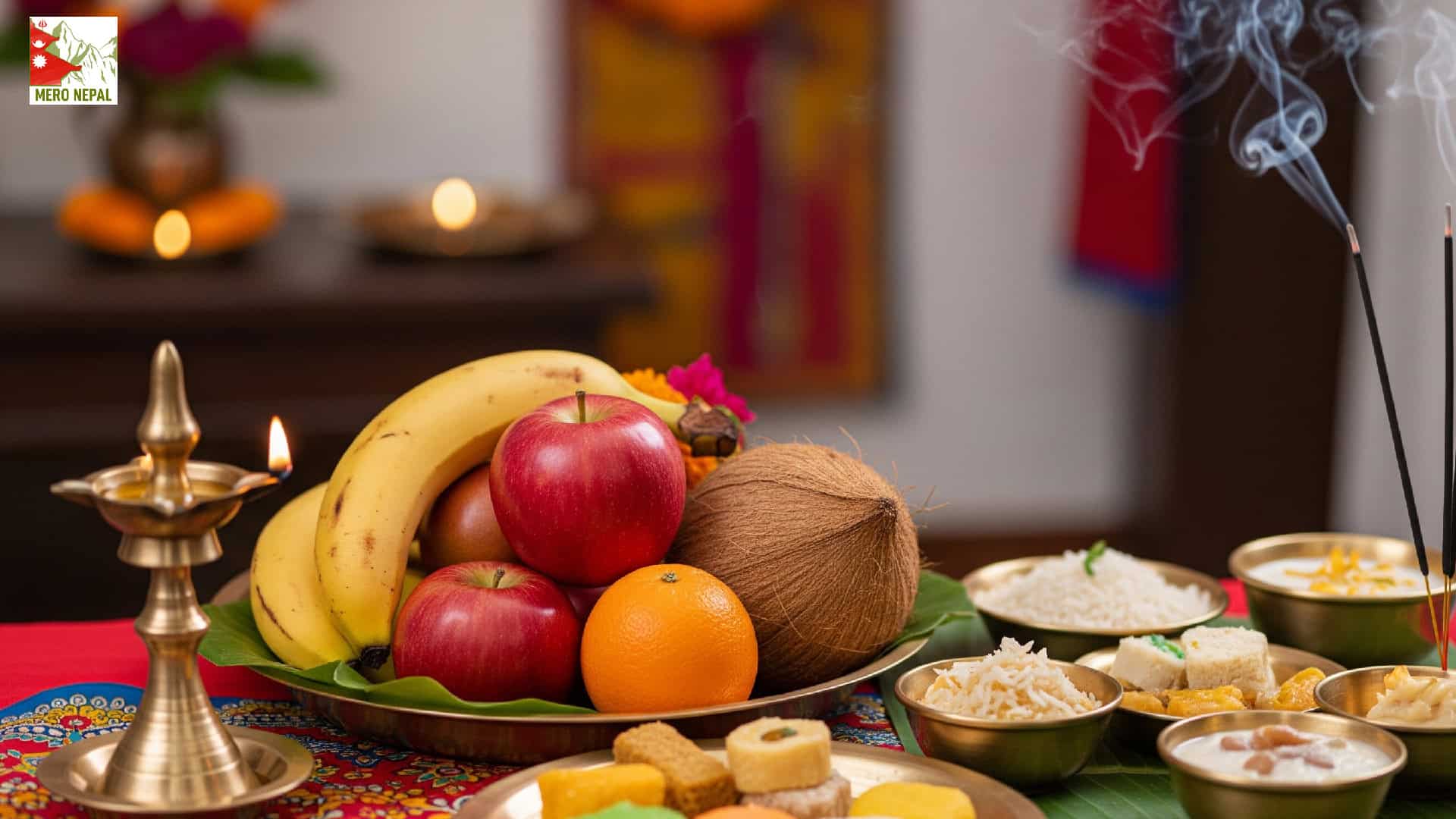
Common fruits: bananas, mangoes, apples, coconuts, pomegranates, and seasonal local fruits.
Coconuts are particularly significant, representing purity, selflessness, and spiritual awakening.
Spiritual Significance:
Fruits are considered a representation of the devotee’s actions and their devotion. Offering fruits invites blessings of health, wealth, and spiritual growth.
Cultural Significance:
Fruits are arranged beautifully on plates or banana leaves, often alongside flowers, lamps, and incense, reflecting reverence and aesthetic tradition.
Social Significance:
After puja, fruits are shared among family members and the community as prasadam, promoting generosity, unity, and communal harmony.
Prasadam (Sacred Food Offerings)
Prasadam is food first offered to the deity and then consumed by devotees. It can include cooked rice, sweets, fruits, or other prepared dishes. Accepting prasadam is considered receiving divine blessings.
Examples: kheer, laddoo, barfi, cooked rice, seasonal fruits.
Common during festivals like Navaratri, Janmashtami, and Diwali.
Spiritual Significance:
Prasadam symbolizes the deity’s grace and is believed to carry spiritual energy. Eating prasadam strengthens the devotee’s connection with the divine.
Cultural Significance:
Prasadam links rituals with daily life, nourishment, and sustenance, making worship holistic and meaningful.
Social Significance:
Sharing prasadam with family, friends, and the wider community fosters unity, generosity, and inclusion. Large-scale distribution at temples emphasizes equality and communal bonding.
Conclusion
Offering flowers, fruits, and prasadam in Hindu puja is not merely ritualistic; it is a symbol of devotion, purity, and cultural heritage. Flowers express beauty and surrender, fruits symbolize abundance and respect for nature, and prasadam carries divine blessings. Together, they create a sacred environment, enhance spiritual experience, and strengthen social and familial relationships.
By understanding the significance of each offering, devotees can perform puja with mindfulness, reverence, and a deeper connection to tradition and divinity.
👉 For more insights into Hindu rituals and traditional offerings, download Mero Nepal App.