Introduction
In Nepali society, dharma is not limited to temples, rituals, or festivals. It serves as a moral, social, and spiritual guide that directs life in the right path. Dharma helps individuals distinguish between right and wrong and provides balance at every level of life. Its influence is evident in everything from small daily decisions to long-term life planning. In Nepal, dharma is accepted as both a way of living and a duty.
The Concept of Dharma in the Nepali Context
The word “dharma” originates from Sanskrit, meaning to uphold, protect, or maintain balance in life. In Nepal, dharma is understood not just in terms of religious sects but as duties, responsibilities, truth, and justice. Dharma creates a shared value system that binds individuals, families, and society. For this reason, it forms the backbone of Nepali life.
Family Structure and Dharma
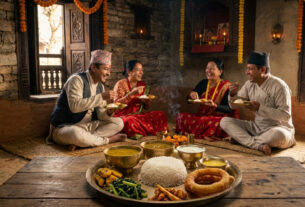
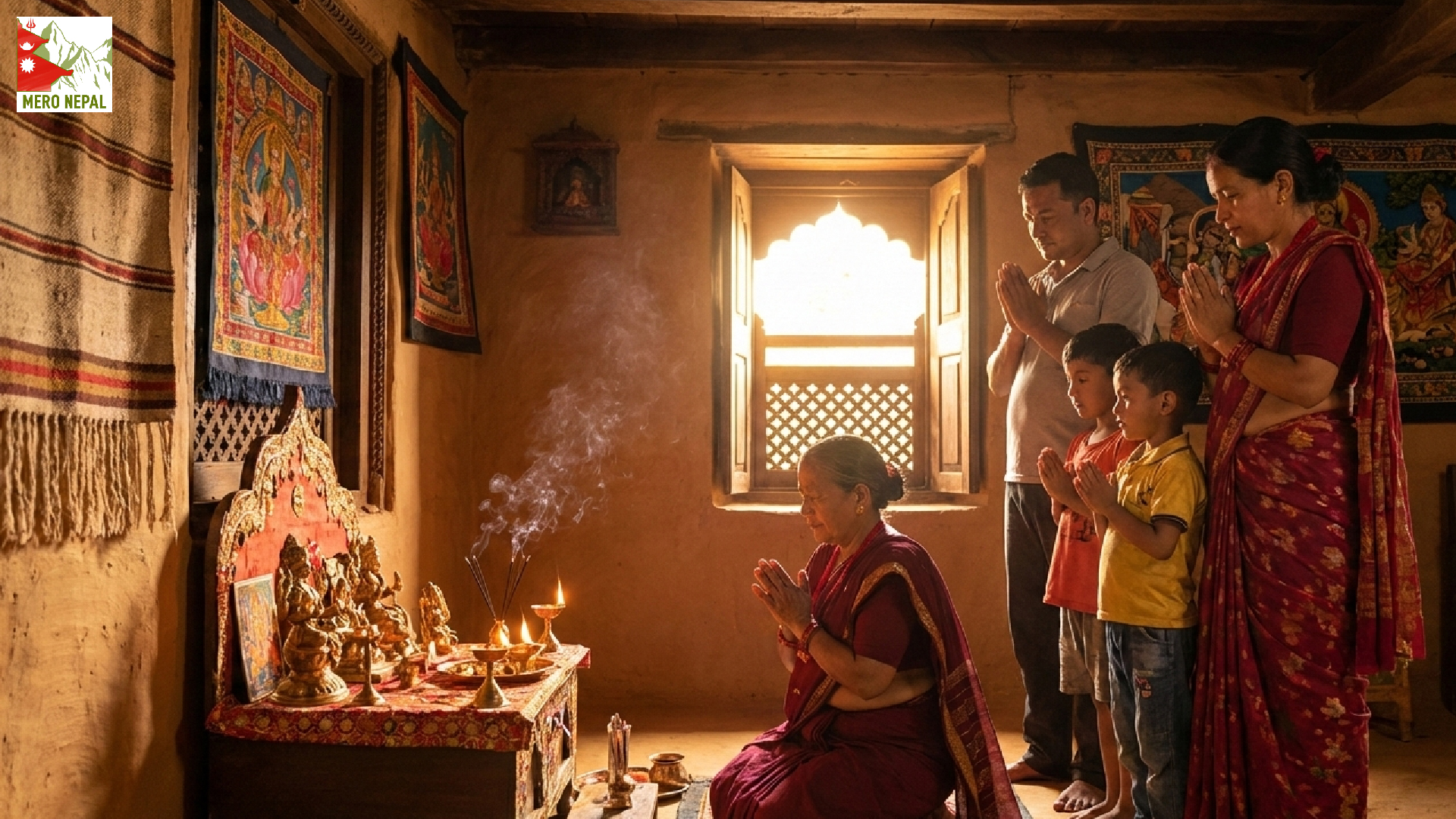
In Nepali families, dharma forms the foundation of moral conduct and social behavior. From childhood, individuals are taught prayers, respect for elders, patience, and a sense of duty. Ceremonies such as marriages, naming rituals, fasts, and ancestral rites are performed according to dharma. These practices help maintain discipline, morality, and mutual respect within the family. Dharma binds the family not just through blood but through ethical and emotional ties.
Dharma’s Influence on Daily Decisions
Many decisions in Nepali society are guided by dharma. People consult dharma to determine auspicious days for starting new work, traveling, arranging marriages, or entering a new home. Considering tithis (lunar days), weekdays, nakshatras (lunar constellations), and yogas before making decisions is still widely practiced. This guidance boosts confidence and mental balance, making decisions not just practical but spiritually aligned.
Dharma and Social Conduct
Dharma also shapes social behavior in Nepal. Values such as truthfulness, non-violence, charity, compassion, and respect for guests are all rooted in dharma. Cooperation and collective effort during festivals, crises, or rituals reflect dharma’s influence. It encourages society to prioritize collective welfare over individual interests.
Dharma, Karma, and Moral Responsibility
In Nepali philosophical thought, dharma and karma are inseparable. Performing righteous actions is considered the practical application of dharma. In professional, educational, or personal life, dharma instills honesty, responsibility, and integrity. The belief that actions affect future outcomes motivates individuals to make thoughtful decisions. Thus, dharma helps develop long-term thinking and moral accountability.
Dharma and Mental Balance
Dharma plays a crucial role in mental peace and stability. Daily prayers, meditation, chanting, and fasting are believed to calm the mind. Making decisions based on dharma reduces inner conflict and provides emotional balance. Therefore, dharma is closely associated with mental well-being in Nepali society.
Modern Life and the Transformation of Dharma
Despite modern education, technology, and urban lifestyles, the influence of dharma in Nepali society remains strong. While forms may have changed, the core values remain intact. Digital calendars, mobile apps, online articles, and social media now make information about dharma easily accessible. This bridges traditional knowledge with modern life and helps younger generations stay connected to cultural values.
Dharma and Social Unity
Dharma also fosters social unity in Nepal. People from different castes, languages, and communities are connected through shared religious values. Festivals, communal prayers, and rituals strengthen social harmony. Dharma encourages coexistence and tolerance beyond differences.
Mero Nepal App – Your Trusted Digital Guide for Dharma and Daily Life
For reliable information about dharma, tithis, fasts, festivals, rituals, and daily religious practices, the Mero Nepal App is a valuable tool. It provides detailed information on auspicious days, tithis, religious articles, traditional rituals, and all aspects of Nepali religious life in one place. This app is especially useful for those seeking guidance on daily decisions aligned with dharma.
Download link: https://play.google.com/store/apps/details?id=com.meronepal.app
Conclusion
In Nepali society, dharma serves as a guiding principle for life. It balances individual behavior, family relationships, social conduct, and daily decision-making. Even as lifestyles change over time, the core purpose of dharma—truth, duty, morality, and human welfare—remains central to Nepali life. Dharma ensures cultural continuity, mental stability, and social unity for generations to come.