The Practice of Bringing Clothes Indoors After Dusk: A Discussion of Nepali Folk Beliefs and Practical Wisdom

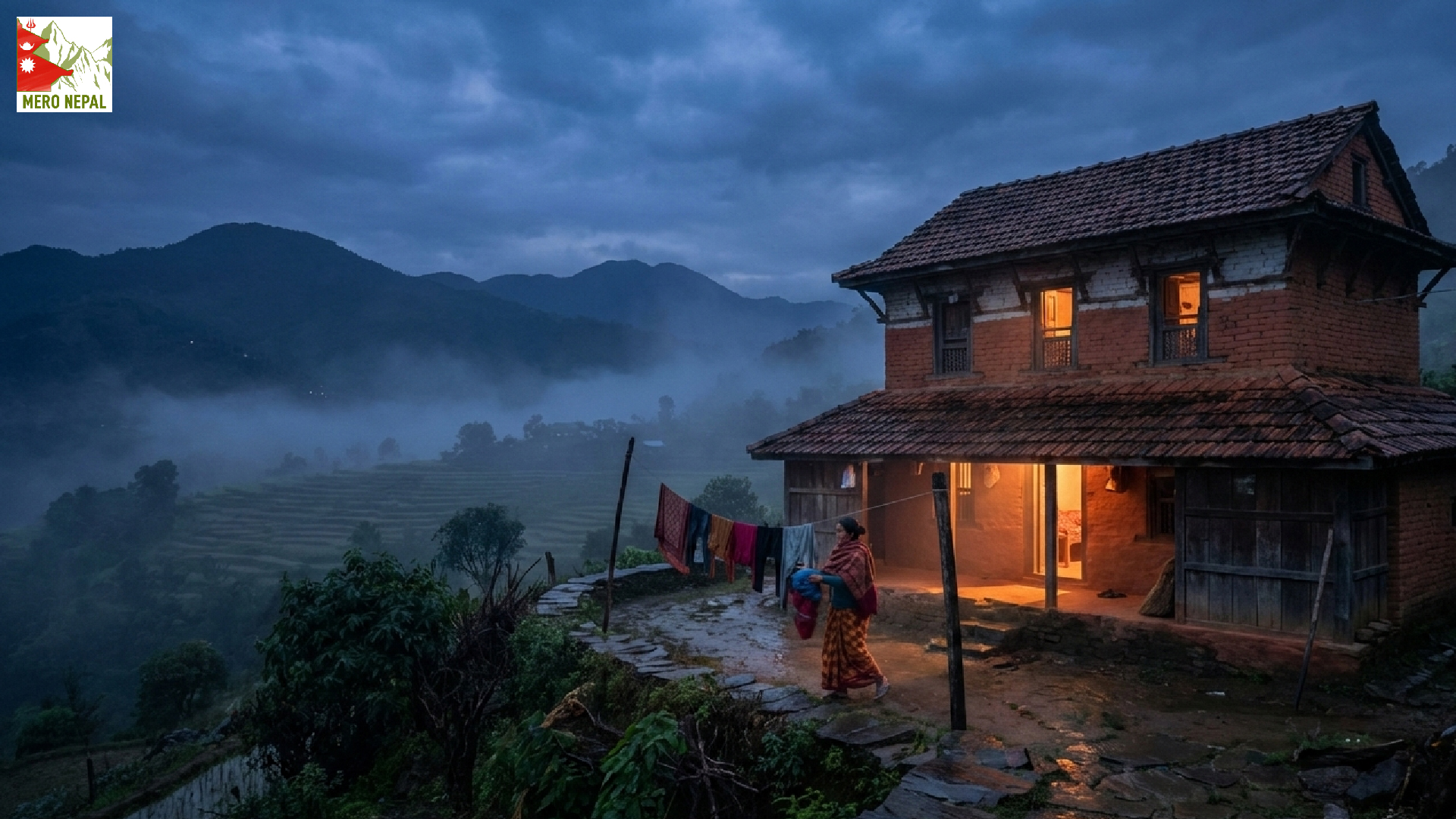
Introduction: The Weaving of Belief and Practice In Nepali society, the habit of bringing in clothes dried outside before dusk is more than just a simple household chore; it is a deep-seated cultural ritual. This tradition is a sophisticated practice of protection woven from two different but complementary threads: first, a rich tapestry of folk […]

Continue Reading
Tantra Shastra and Vastu Shastra: A Comparative Discussion

Section I: The Comprehensive Discourse of Tantra Shastra 1.1 Etymology and Definition: ‘Expansion’ and ‘Liberation’ Tantra is a profound and often misunderstood branch of Hindu knowledge. The etymology of the word ‘Tantra’ reveals its core philosophy. It is derived from two Sanskrit roots: ‘Tan’ (to expand or spread) and ‘Trai’ (to protect or liberate). Thus, […]

Continue Reading

Astrology and Vastu Shastra: A Fundamental and Comparative Analysis

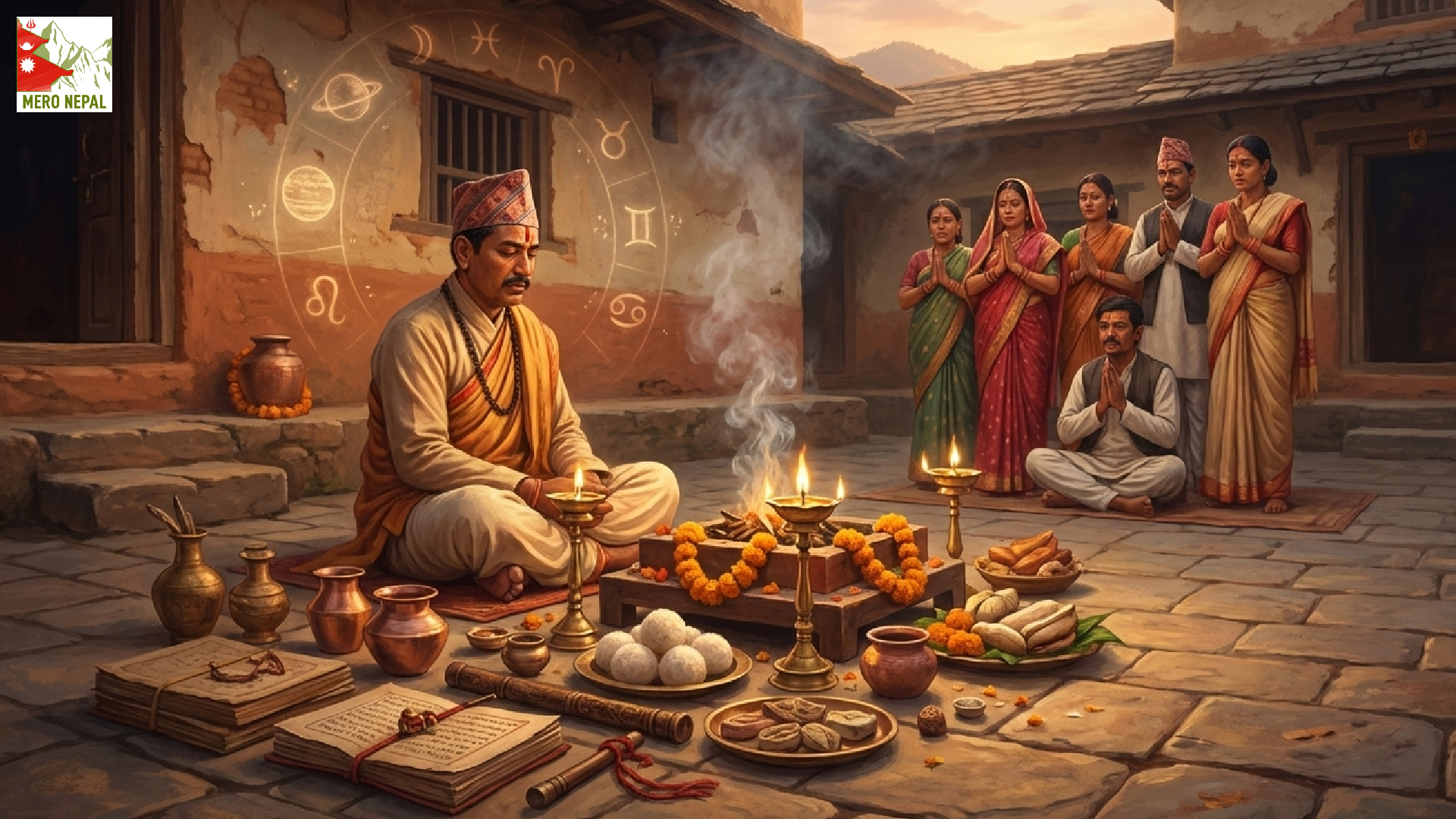
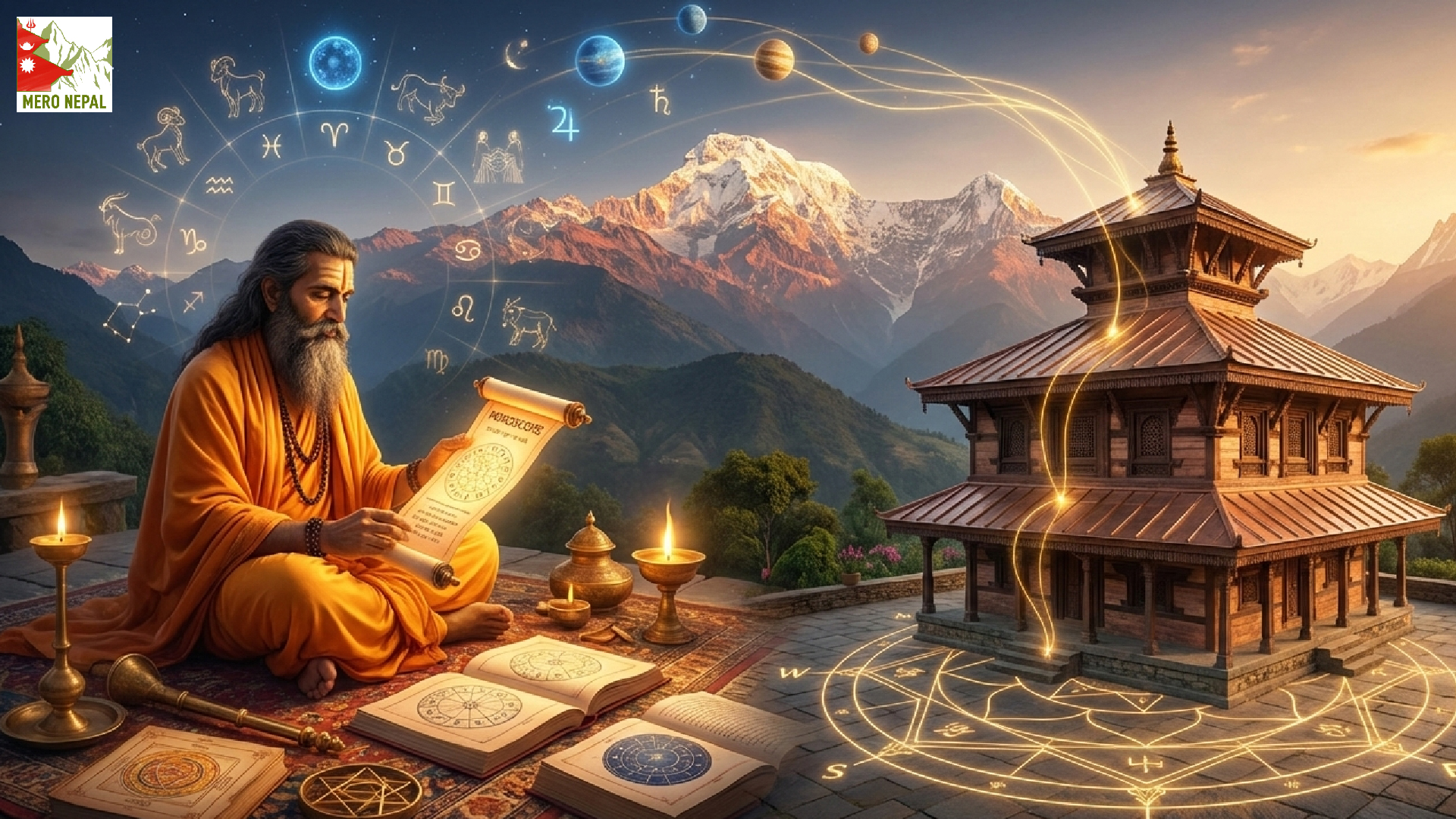
1. Introduction: The Union of Time and Space In the Vedic tradition, human existence is governed by two fundamental dimensions: Time (Kala) and Space (Desha). Astrology (Jyotish) is the master of Time, while Vastu Shastra is the master of Space. While modern perspectives often separate them—viewing Vastu as a “logical science” and Astrology as a […]

Continue Reading

Night Energy and Protection of the Soul: An In-Depth Reflection

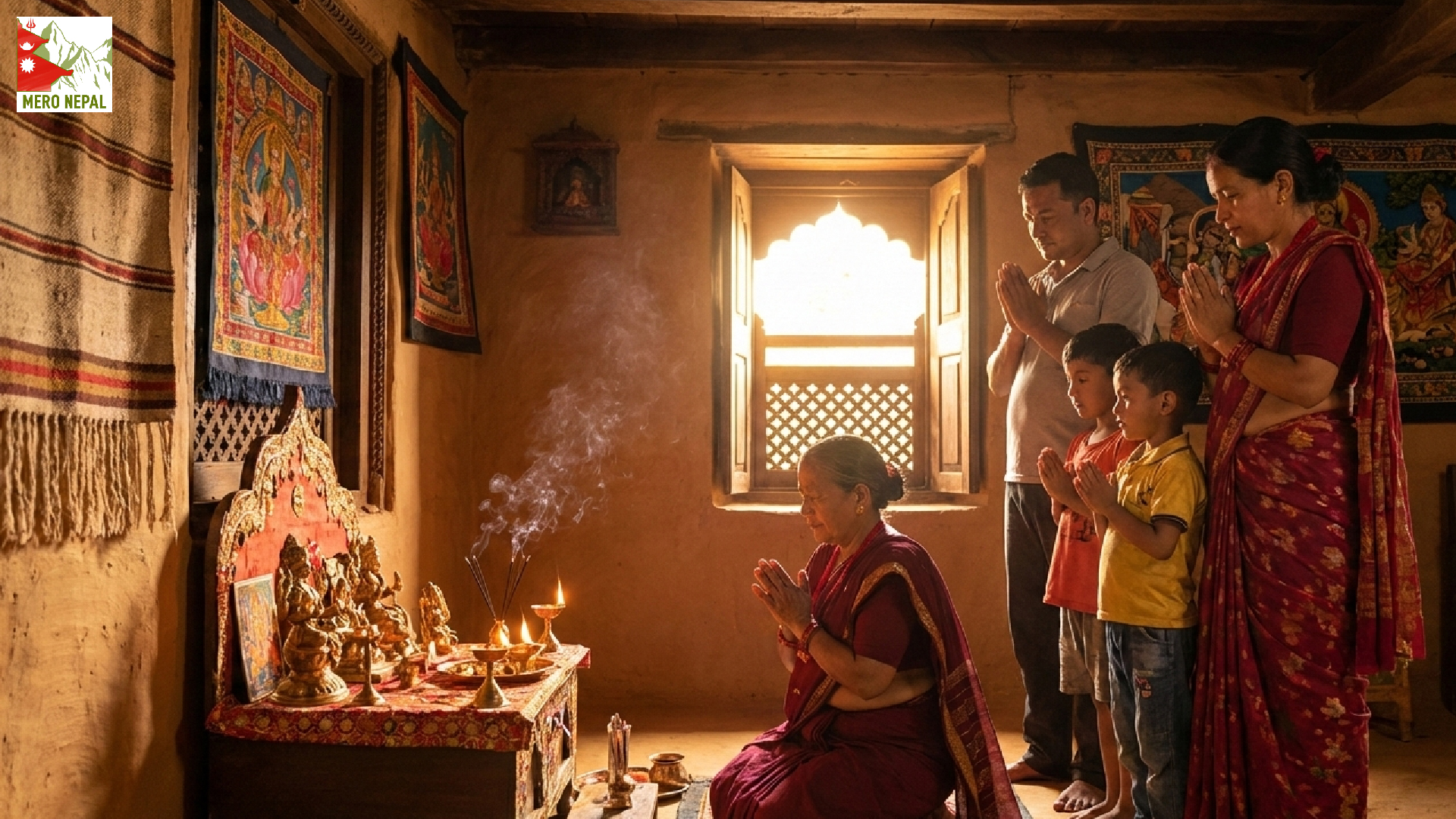
Introduction: The Interconnection Between the Physical and Energy WorldsAlongside our physical world, a subtle energy realm exists in parallel, where positive and negative energies are in constant flow. During the daytime, sunlight and human activity strengthen the influence of positive energy. However, when night falls, this balance changes. With the arrival of darkness, a heavier, […]

Continue Reading

Magh Sankranti: An In-Depth Research Report on Nepali Culture, Nutritional Science, and the Shiva Element

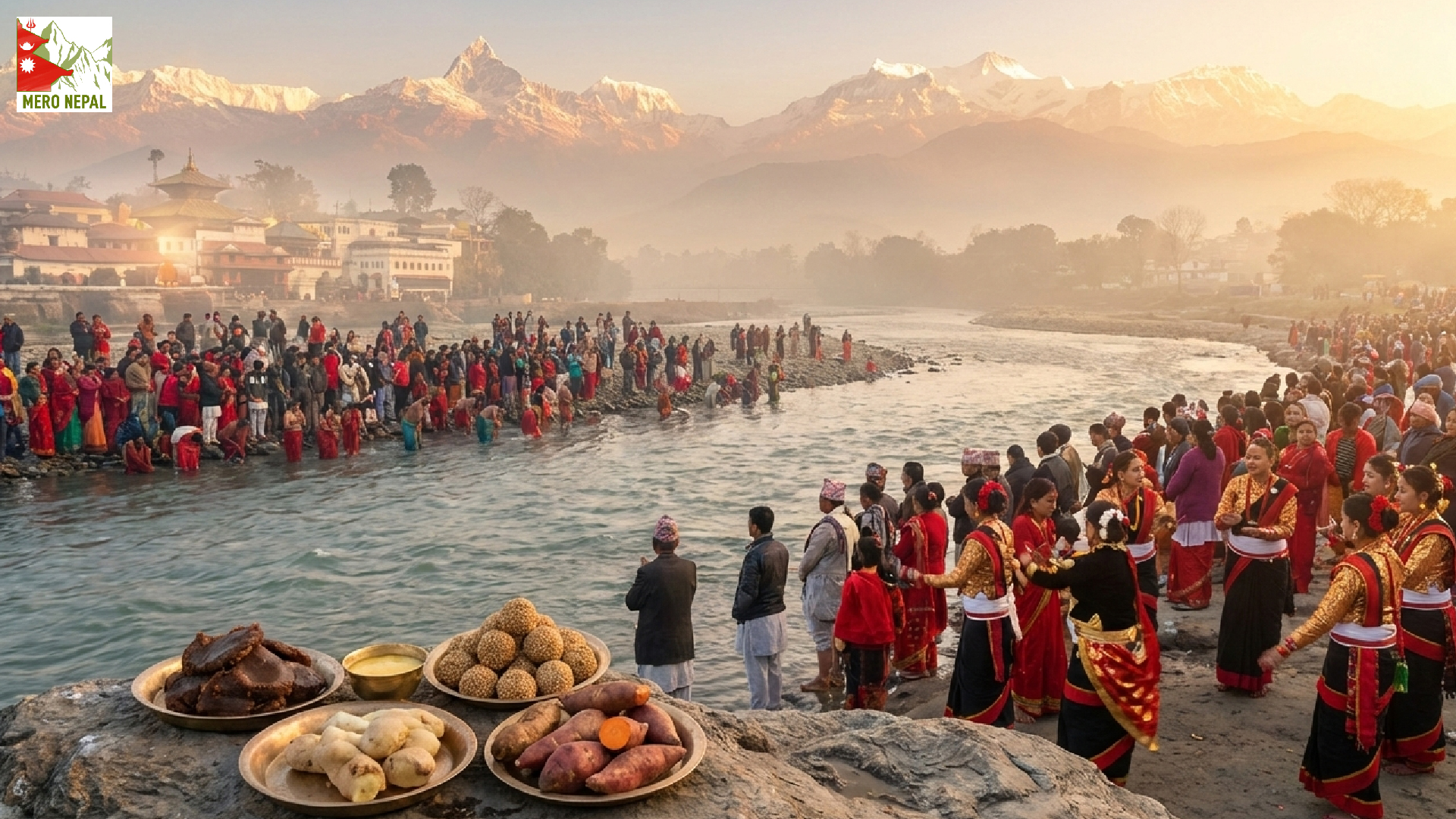
1. Introduction and Background In the geographical and cultural diversity of Nepal, January 1st (Magh 1st), known as Makar Sankranti or Maghe Sankranti, stands as a distinct and multi-dimensional festival. This festival, occurring on the first day of the tenth month of the Vikram Samvat calendar, signifies more than just a date; it highlights the […]

Continue Reading

Pitradosh from an Astrological Perspective: A Comprehensive and In-Depth Study

1. Introduction: Philosophical and Spiritual Dimensions of Pitradosh in Vedic Astrology In Vedic Sanatan Dharma and astrology, the concept of Pitradosh is not merely an astrological combination but is deeply rooted in the principles of creation, lineage, and karma. In modern society, it is often viewed as fear or superstition; however, serious astrological research suggests […]

Continue Reading

Traditional Food Culture of Nepal: Rituals, Symbolism, and Regional Diversity

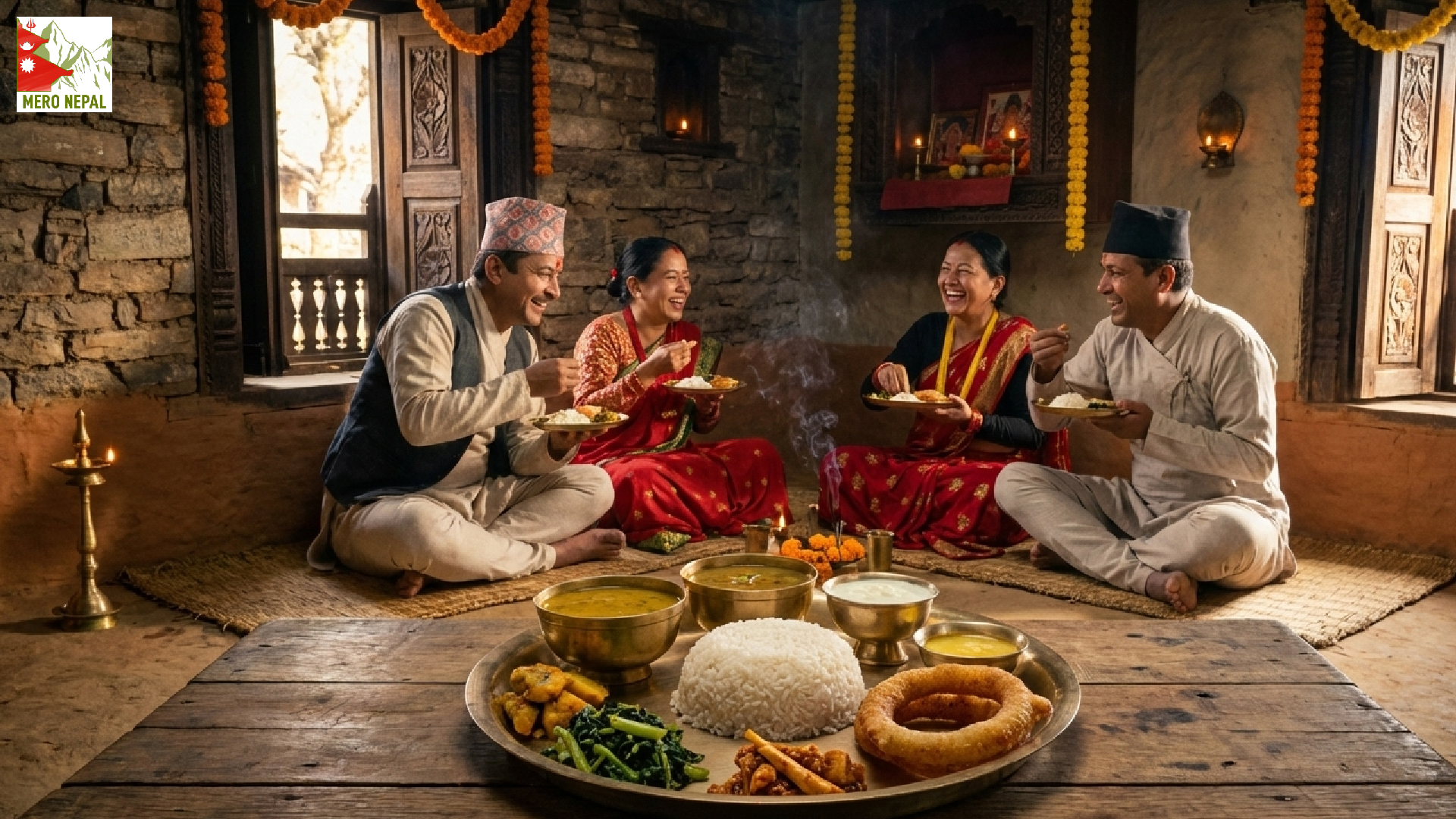
IntroductionNepal’s traditional food culture is not merely about eating; it represents a deep connection between history, religion, social structure, and daily life. In Nepali society, food is closely linked with nature, seasons, geography, and spiritual beliefs. Meals are seen as a means of nourishing not only the body but also the mind, soul, and community. […]

Continue Reading

Traditional Nepali Handicrafts and Their Cultural Significance

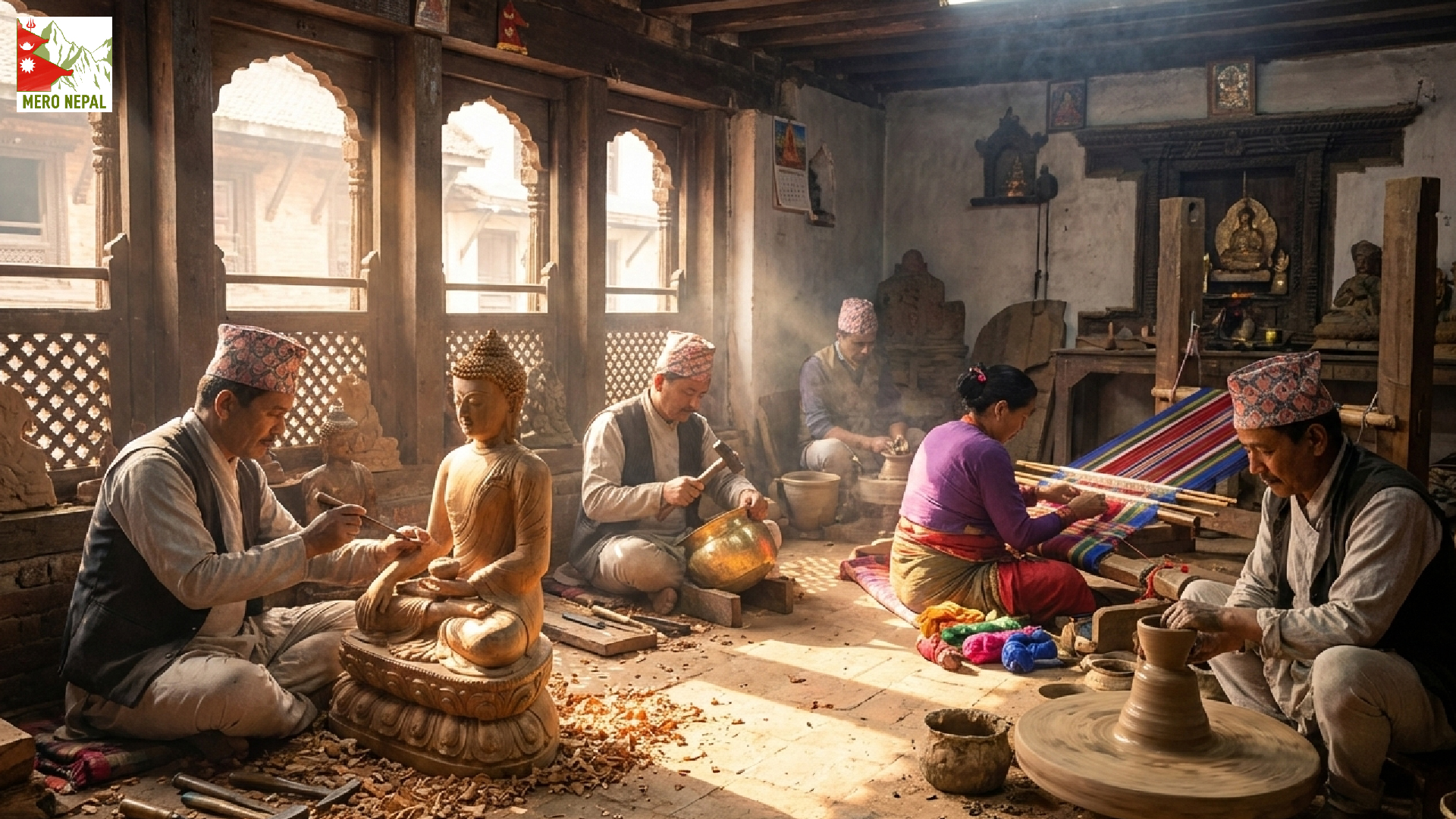
Introduction Traditional handicrafts hold a central place in Nepal’s cultural identity. They are not only aesthetically pleasing and functional but also preserve Nepalese history, religion, social life, and traditional knowledge. In Nepali society, handicrafts are symbols of cultural, religious, and social values. Local communities incorporate their environment, traditions, lifestyles, and religious beliefs into artistic expressions […]

Continue Reading

The Concept of Dharma in Nepali Society and Its Influence on Daily Decisions

Introduction In Nepali society, dharma is not limited to temples, rituals, or festivals. It serves as a moral, social, and spiritual guide that directs life in the right path. Dharma helps individuals distinguish between right and wrong and provides balance at every level of life. Its influence is evident in everything from small daily decisions […]

Continue Reading

The Science of Water Use in Nepali Temples: Abhishek, Sacred Water, and Ritual Purification

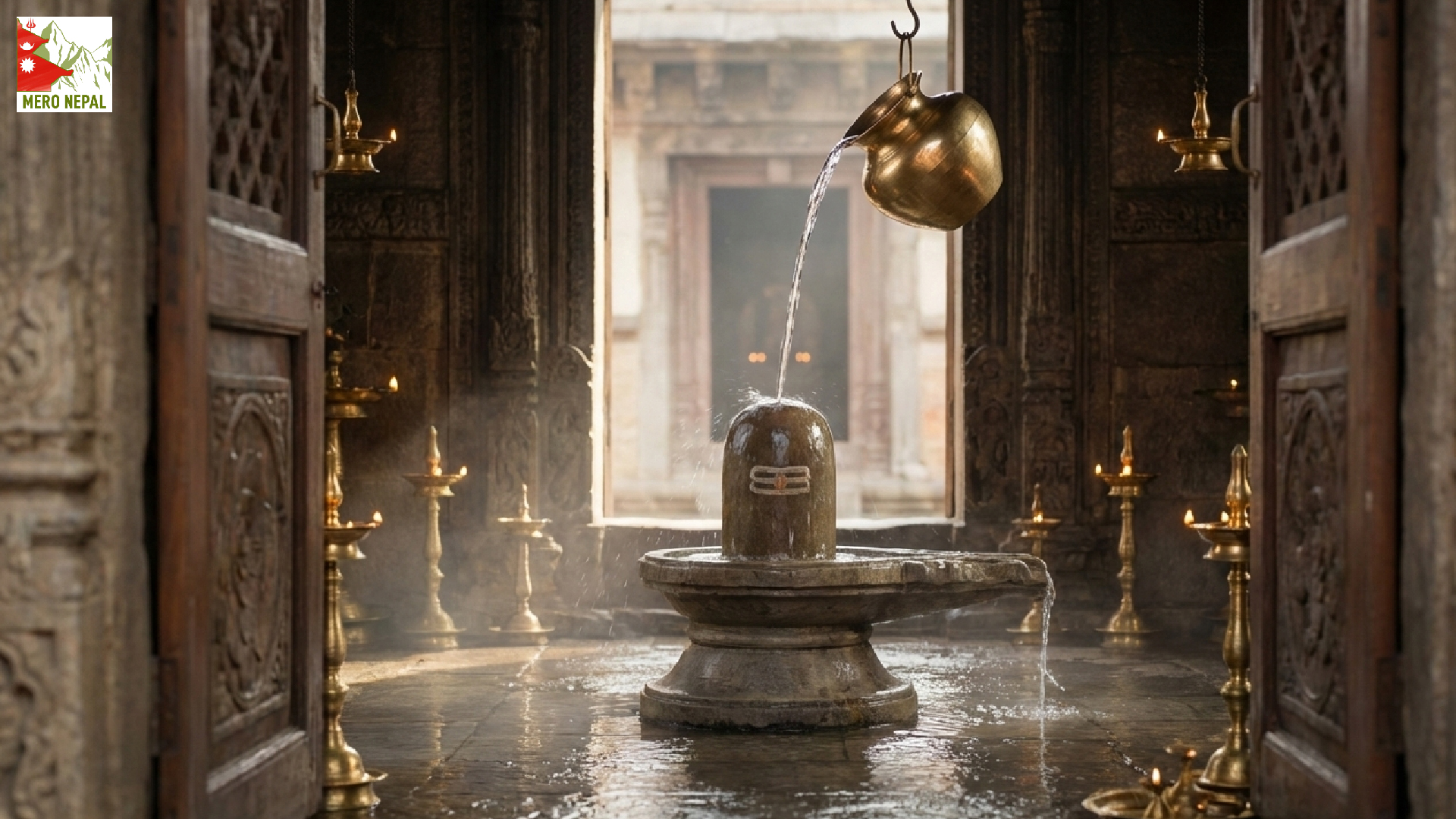
Nepal, widely known as the “Land of the Gods” and a nation of temples, possesses a deeply rooted spiritual culture where every ritual carries layered religious, philosophical, and scientific meaning. Among these rituals, the use of water in temples holds a central and irreplaceable role. From daily abhishek (ritual bathing of deities) to purification rites […]

Continue Reading