The Role of Sacred Rivers in Nepali Religious Traditions: Rituals, Festivals, and Daily Worship

Introduction Nepal is known not only for its mountains, hills, and plains but also as a land enriched by sacred rivers. In Nepali religious traditions, rivers are far more than natural water sources; they are symbols of purity, life, and spiritual continuity. From birth to death, religious rituals, daily worship, festivals, and collective spiritual activities […]

Continue Reading

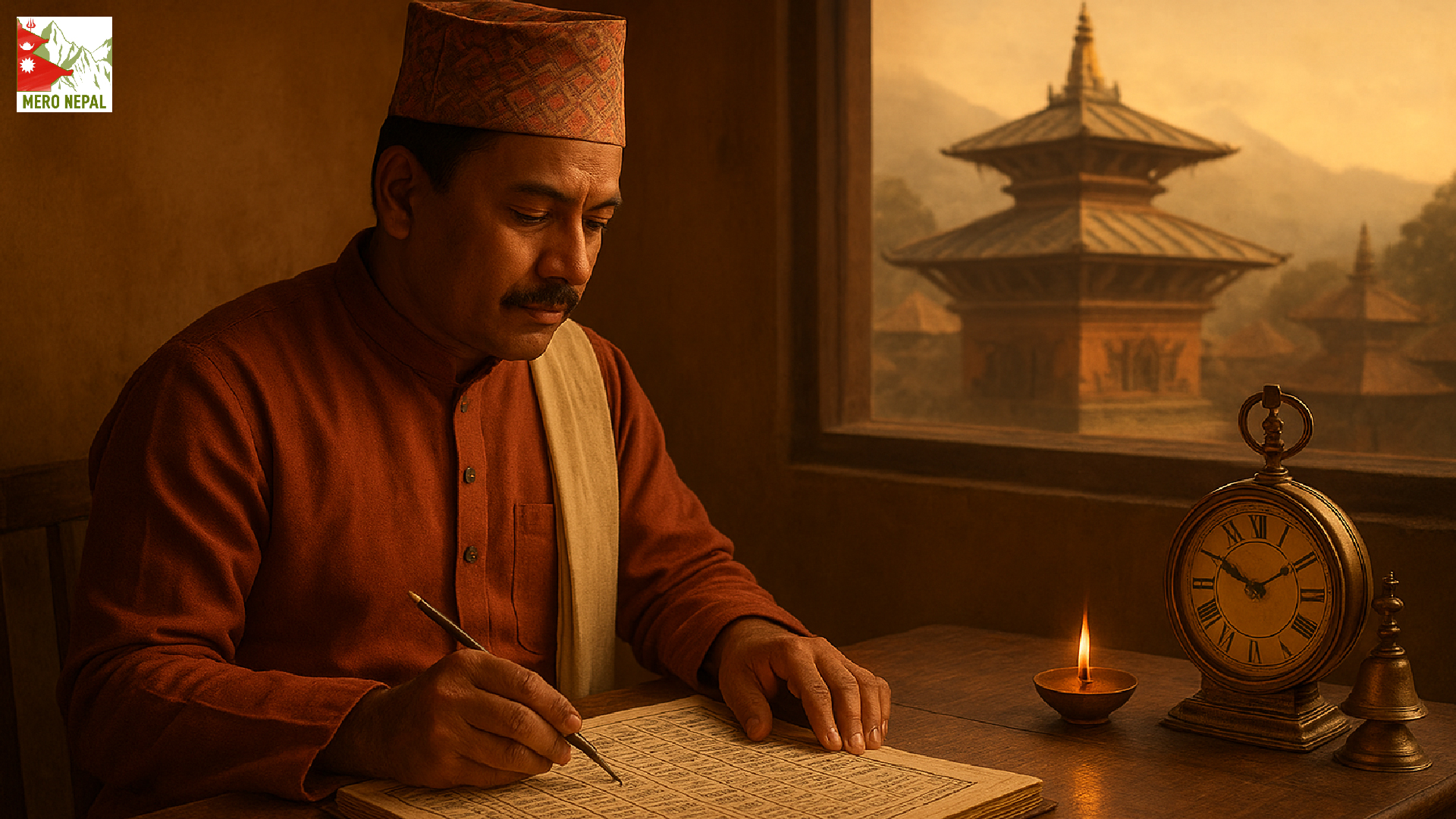
The Spiritual Meaning of the Tithi Cycle in Nepali Religious Practices

Introduction In Nepali religious life, time is not viewed merely as a simple calculation of hours, dates, or calendar days. It is understood as a spiritual cycle connected with nature, consciousness, and human actions. At the center of this worldview lies the tithi cycle. A tithi is determined by the angular relationship between the Moon […]

Continue Reading

Sacred Architecture of Nepal: Spiritual Meaning of Temples, Stupas, and Pilgrimage Sites

Introduction Nepal’s sacred architecture is not merely a collection of historical structures or artistic achievements. It represents a living spiritual system where faith, geography, culture, and daily life intersect. Temples, stupas, monasteries, and pilgrimage sites across Nepal are designed and positioned with deep spiritual intention. These sacred spaces guide religious practice, preserve tradition, and reflect […]

Continue Reading

How to Read Your Own Nepali Kundali: A Beginner’s Guide

A Nepali Kundali is an important foundation of Vedic astrology, used to understand a person’s nature, major life areas, and future possibilities. This article is designed for beginners and explains, in a clear and structured way, how to read and understand your own Nepali Kundali. 1. What Is a Nepali Kundali? A Nepali Kundali is […]

Continue Reading

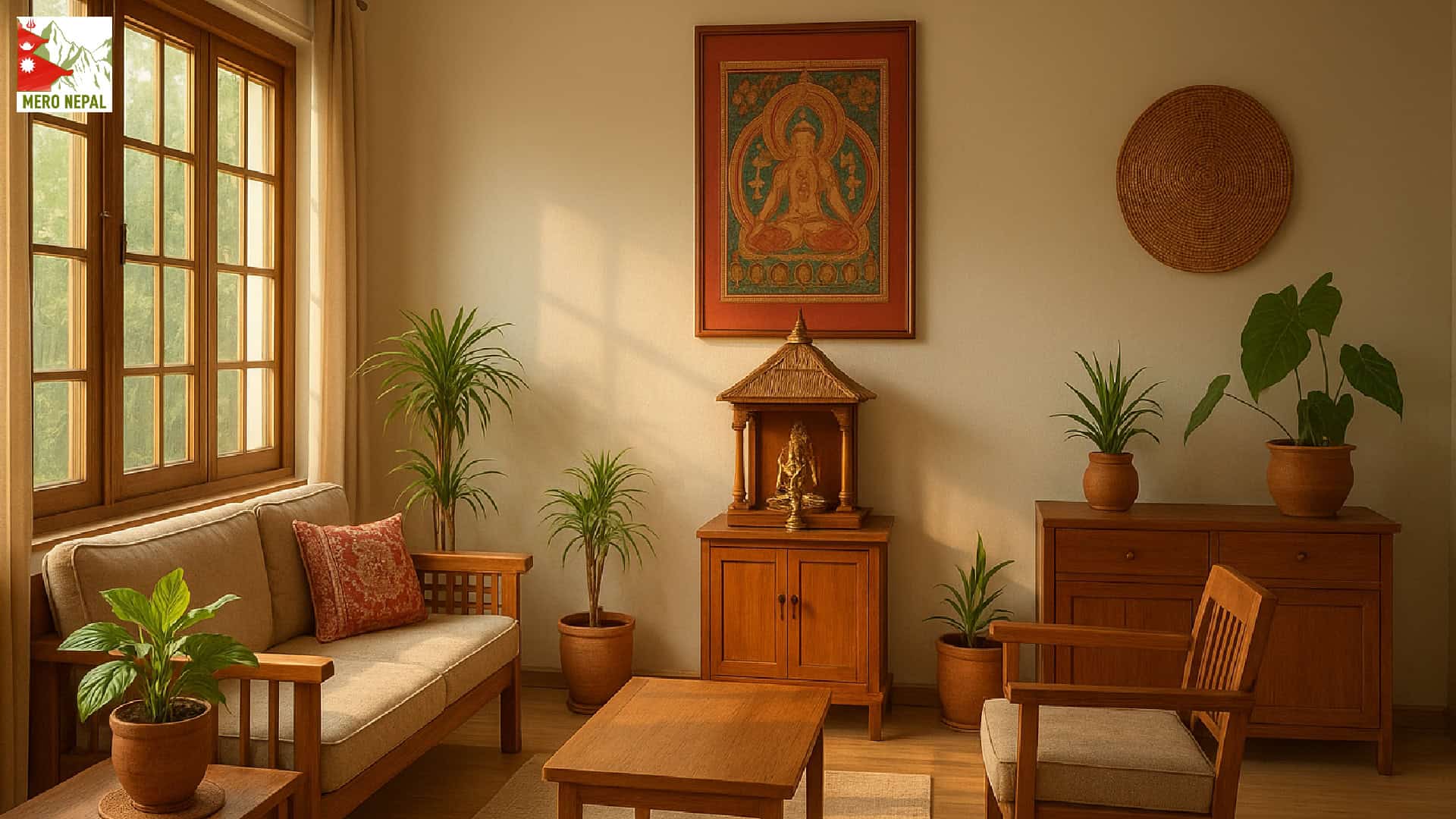
Vastu for Home Office: 5 Essential Tips for Success and Wealth

In today’s digital age, the culture of Work from Home is becoming increasingly popular in Nepal. However, working from a corner of your house can often lead to a lack of concentration, quick fatigue, or stagnant financial growth. The primary reason behind this could be an imbalance of energy in your workspace. According to the […]

Continue Reading

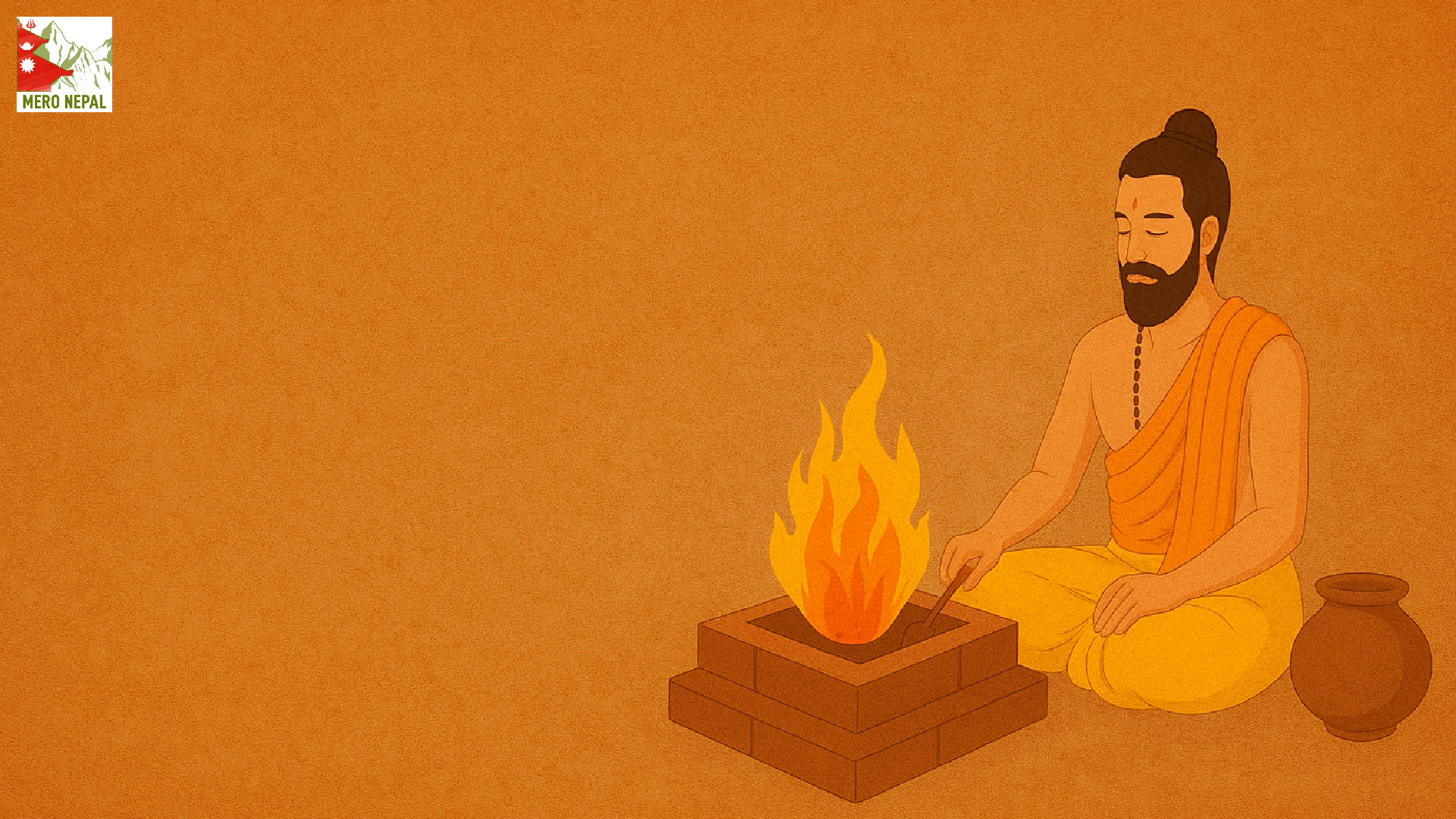
Why Fire (Agni) Is Central in Hindu Rituals: Scientific and Spiritual View

In Hinduism, fire is more than a physical element—it represents life, purity, energy, and divine consciousness. Since the Vedic era, every religious ritual, whether a yajna, havan, puja, or life-cycle ceremony, is considered incomplete without fire. Fire is viewed as the bridge between humans and the divine, carrying offerings, prayers, and intentions to the gods. […]

Continue Reading

Local Cultures of Nepal and the Need for Their Preservation

Nepal is a multicultural and multilingual country, home to over 125 ethnic groups, languages, and cultural communities. Each community has its own traditions, festivals, attire, food, dance, music, and handicrafts. These local cultures are not only sources of identity but also play an important role in social cohesion, education, tourism, and national pride. Importance of […]

Continue Reading

The Importance of Shubh Muhurat and Its Practical Use in Life

In Vedic tradition, the concept of Shubh Muhurat (auspicious timing) carries deep significance. Time is not just the ticking of a clock—it is the rhythm of the cosmos, influencing every action and outcome. Hindu philosophy views Kaal (time) as an embodiment of Lord Vishnu himself. Thus, any work begun at the right time, in the […]

Continue Reading

Scientific Perspective of Vastu Shastra and Its Impact on Daily Life

Vastu Shastra is an ancient Indian science that studies the relationship between buildings, the environment, and human life. The word “Vastu” means dwelling place and “Shastra” means knowledge or science. Vastu Shastra emphasizes balancing nature, directions, and energy to bring happiness, peace, and prosperity into human life. Historical Background of Vastu Shastra Vastu Shastra is […]

Continue Reading

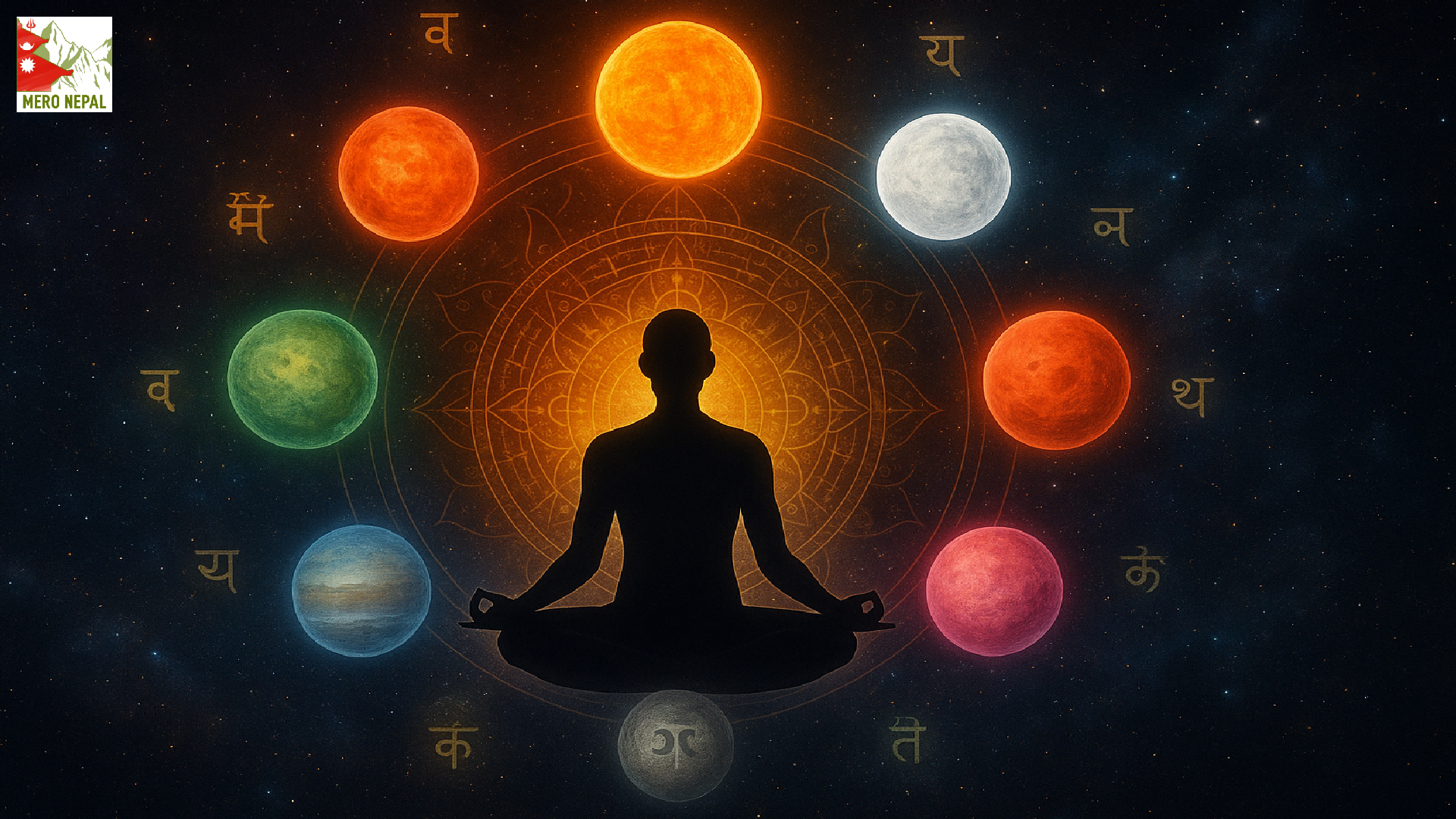
The Relationship Between Planets and Human Emotions in Vedic Astrology

According to Vedic astrology, the nine planets of the universe—Sun, Moon, Mars, Mercury, Jupiter, Venus, Saturn, Rahu, and Ketu—are considered the nine primary energies influencing human life. These planets are not merely celestial bodies orbiting in space; they are subtle forces that deeply affect the human mind, thought processes, behavior, and emotions. In Vedic thought, […]

Continue Reading