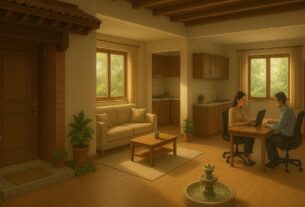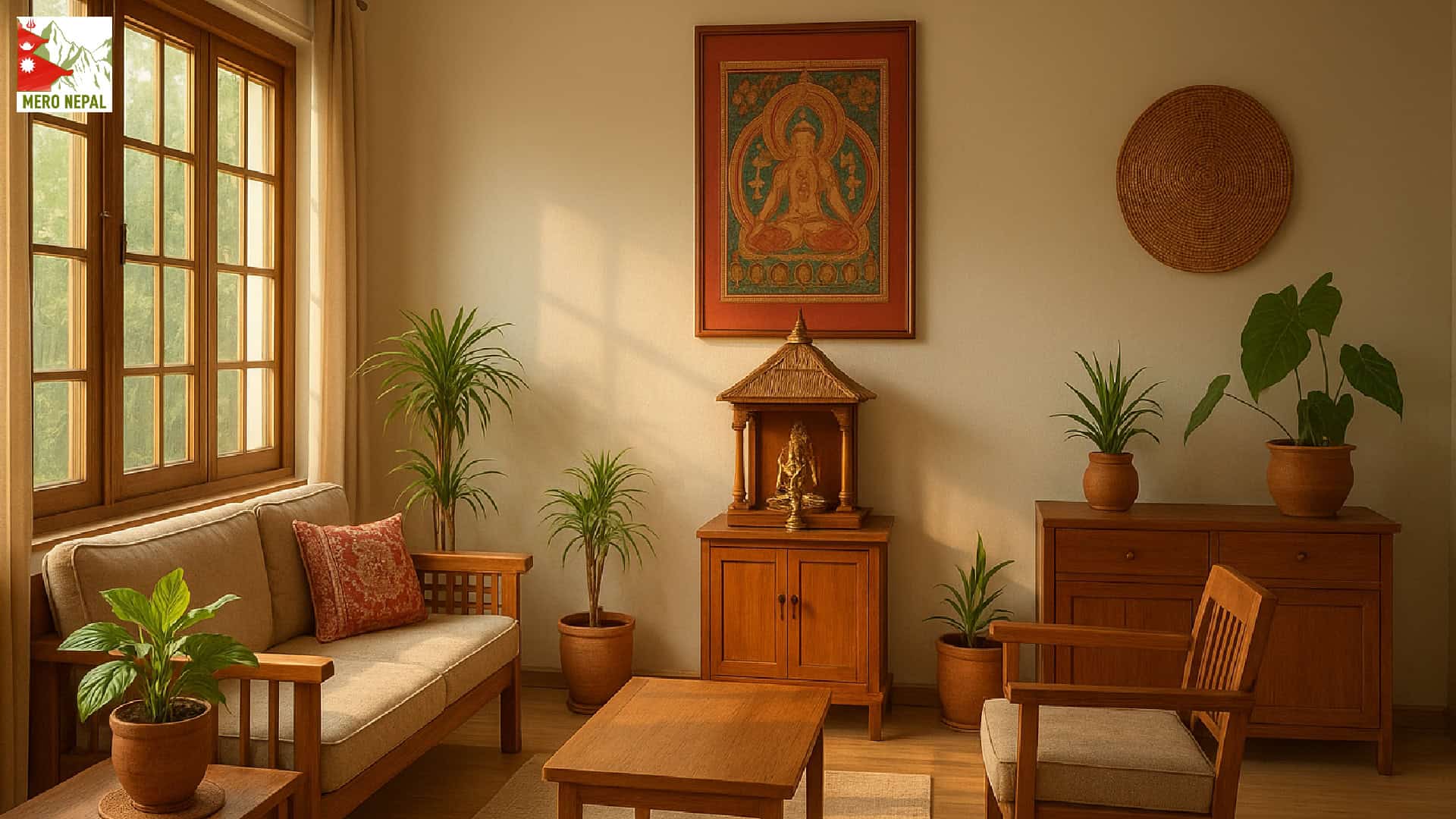
Vastu Shastra is an ancient Indian science that studies the relationship between buildings, the environment, and human life. The word “Vastu” means dwelling place and “Shastra” means knowledge or science. Vastu Shastra emphasizes balancing nature, directions, and energy to bring happiness, peace, and prosperity into human life.
Historical Background of Vastu Shastra
Vastu Shastra is mentioned in the Vedic texts. Ancient sages studied the flow of natural energies and the effects of directions to develop this knowledge system. Temples, palaces, and old houses in Nepal and India were constructed based on Vastu principles. The palace areas of Kathmandu Valley are prime examples of these principles in practice.
The Five Elements
Vastu Shastra is based on five elements—Earth, Water, Fire, Air, and Space. Imbalance in these elements is believed to cause unrest, poor health, and obstacles in life.
Earth: Symbolizes stability and foundation. A strong and balanced base is essential.
Water: Represents purity and flow. The northeast direction is associated with water, making it ideal for water sources or small fountains.
Fire: Symbolizes energy and transformation. Southeast is considered best for kitchens due to sunlight and heat.
Air: Represents life force and breath. The northwest direction is ideal for ventilation and airflow.
Space: Represents consciousness and expansion. Sufficient open space and natural light are recommended inside buildings.
Scientific Perspective
Many Vastu rules have practical, scientific explanations.
East-facing windows allow morning sunlight, which aids Vitamin D synthesis and mental alertness.
North-facing buildings align with natural airflow and magnetic energy balance.
The south side receives strong sunlight and heat, suitable for storage or less-used rooms.
Interior layout, colors, and ventilation impact psychological well-being.
Impact on Daily Life
Vastu is not limited to building structure; it influences lifestyle and overall balance.
Health and Mental Peace: Bright, open rooms improve mental clarity and balance.
Family Harmony: Correct placement of kitchens and bedrooms fosters better relationships.
Work and Success: Following Vastu in workspaces can enhance productivity and financial stability.
Spiritual Growth: Northeast prayer or meditation corners boost positive energy and focus.
Vastu in the Modern Era
Modern architects incorporate Vastu principles with environmental science to design eco-friendly, energy-efficient homes. Vastu focuses not only on physical convenience but also on mental and energetic balance.
Conclusion
Vastu Shastra is not merely tradition; it is a science-based approach to life. By balancing the environment and human energy, it promotes health, prosperity, and peace. Homes and workplaces aligned with Vastu principles help individuals maintain stability and motivation in life.
📱 Mero Nepal App
👉 Download “Mero Nepal App” — a fusion of tradition, science, and modern convenience.