Introduction
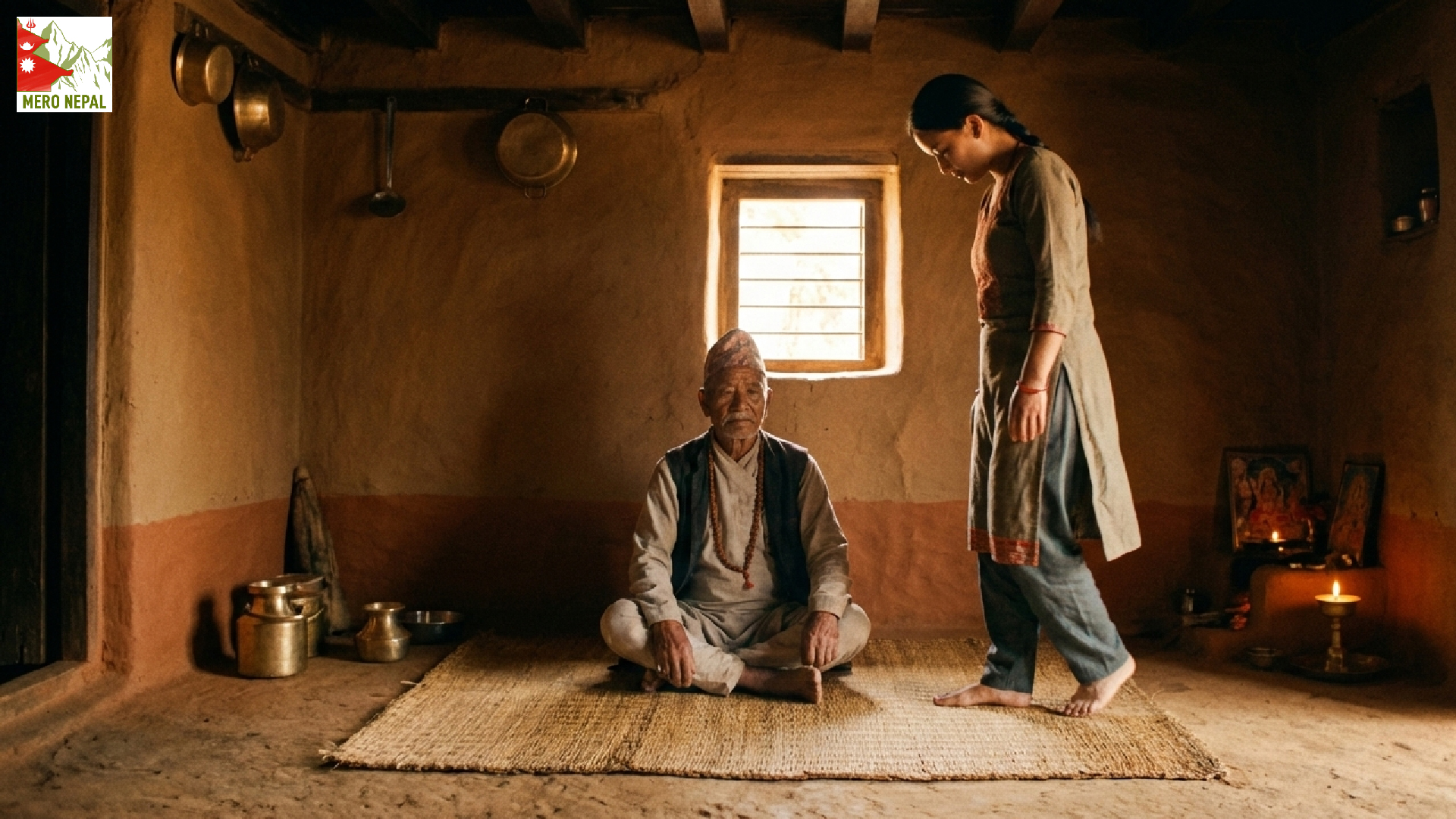
Not crossing over a seated person is more than a matter of etiquette; it reflects centuries of spiritual, social, and psychological understanding. In many traditional households, stepping over someone sitting on the floor, a mat, or a chair is considered disrespectful. This practice teaches respect, mindfulness, and discipline, emphasizing the importance of honoring personal space while fostering harmony in everyday life.
Respect: Moral, Social, and Spiritual Basis
Crossing over a seated person can unintentionally convey dominance or disregard. Traditionally, a seated individual represents rest, meditation, or authority. Avoiding stepping over them acknowledges their presence, preserving dignity and fostering mutual respect at home, workplaces, or public spaces.
Children observe this practice early and internalize values such as humility, social awareness, and consideration for others. In schools and offices, following this principle maintains a calm, respectful environment.
Spiritual and Energy Considerations
According to traditional beliefs, a person’s position and mental state influence energy flow. A seated individual radiates calm, balanced energy. Stepping over them can disturb this energy, causing discomfort for both parties. Religious and yogic traditions emphasize that avoiding this action maintains harmony, reduces negativity, and promotes mindfulness.
Mindfulness, Patience, and Self-Discipline
Not crossing over a seated person encourages mindfulness and self-discipline. Individuals learn to pause, select a respectful path, or ask for permission before moving.
For example:
Walking carefully around an elder or guest instead of stepping over them
Moving with awareness around a prayer space
Choosing alternative paths in crowded rooms
These small actions cultivate patience, ethical behavior, and social sensitivity.
Social and Psychological Benefits
Observing this practice benefits both individuals and society:
Minimizes potential conflicts
Reinforces mutual respect
Promotes polite, considerate behavior
It also develops psychological awareness of personal boundaries and respect for others’ space. Practicing this principle strengthens empathy, social intelligence, and cultural understanding.
Cultural Continuity and Teaching
This practice is passed down through example rather than written rules. Elders demonstrate proper behavior and gently correct children if they cross over someone.
In public or religious spaces, adherence ensures a respectful, peaceful atmosphere for everyone. This tradition connects historical practices with modern life while preserving cultural heritage.
Historical and Religious Context
Ancient texts and practices in Nepal and India also reference similar rules. Grihastha Dharma, Sanskrit scriptures, and mythological stories emphasize discipline, humility, and mental equilibrium.
Kings and religious teachers were never crossed over without permission.
At home, careful movement around elders or spiritual figures was mandatory.
These examples show that not crossing over a seated person is not just social etiquette but a way to cultivate spiritual and mental discipline.
Relevance in Modern Life
Although modern lifestyles and furniture have changed seating arrangements, the principle remains relevant:
Avoiding stepping over someone demonstrates respect and mindfulness
Encourages harmony, consideration, and dignity in family, workplace, and spiritual settings
Strengthens cooperation, coordination, and mutual respect in crowded or shared environments
This simple practice improves social conduct while maintaining personal and cultural values.
Practical Examples
Walk around elders in the home rather than stepping over them.
Move carefully around guests seated on mats or chairs.
Avoid crossing over anyone in prayer halls or spiritual spaces.
Following these actions enhances mindfulness, awareness, and respect in daily life.
Mero Nepal App
Conclusion
Observing the practice of not crossing over a seated person ensures respect, mindfulness, and social harmony. It embodies humility, cultural wisdom, and self-discipline. By consciously following this tradition, individuals transform a simple rule into a lifestyle, fostering peace, consideration, and social cohesion.