Introduction
Food prepared for worship serves a purpose very different from ordinary meals. It is not meant simply for consumption but is regarded as a medium of devotion, gratitude, and reverence. For this reason, traditional practice strictly observes the rule that food must never be tasted before it is offered. Although this rule may appear simple, it is grounded in deeper values of self-discipline, purity of intention, and spiritual awareness. Passed down through generations, this practice teaches a way of life where offering comes before enjoyment and restraint comes before desire.
Naivedya: The Spiritual Concept of Offering
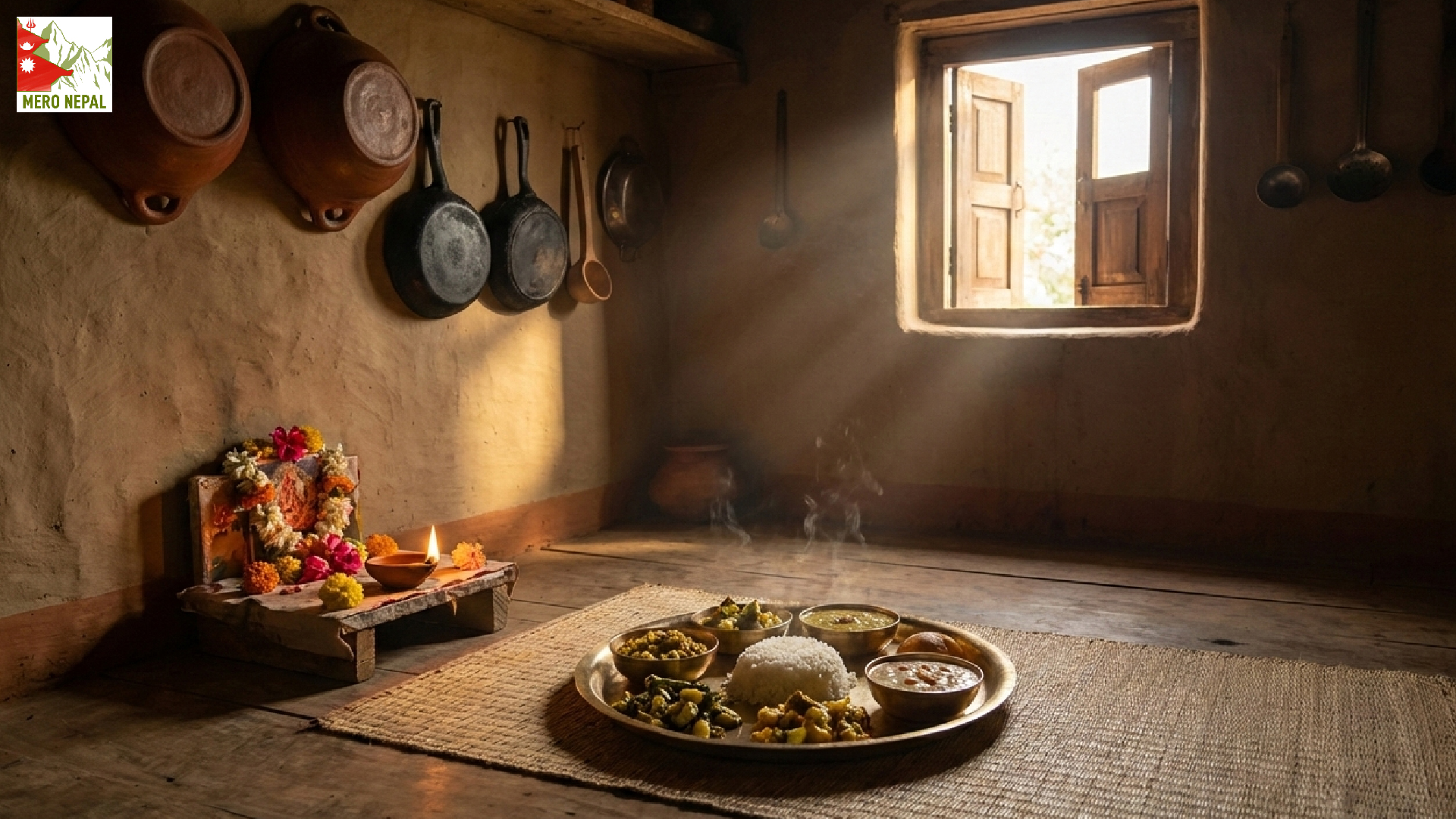
Food offered during worship is known as naivedya, meaning something dedicated entirely to the divine. The essence of naivedya lies in selflessness. Tasting the food before offering introduces personal preference, expectation, and ownership. Traditional understanding holds that an offering must remain untouched and free from personal desire so that it carries only devotion and respect. By not tasting the food, the purity of intention is preserved, and the act of offering remains complete.
Taste, Desire, and the Psychology of Ego
Tasting food naturally involves judgment—whether it is salty enough, flavorful enough, or satisfying enough for oneself. Worship, however, is an exercise in moving beyond the self. Avoiding tasting before offering helps restrain sensory impulses and places devotion above personal satisfaction. This simple act becomes a quiet discipline that reduces ego and reinforces humility, reminding the individual that worship is not centered on personal comfort.
Offering as a Form of Respect
In traditional ethics, an offering is comparable to a gift given with sincerity. Just as one would not use a gift before presenting it to someone respected, tasting food meant for worship is considered inappropriate. This perspective reinforces dignity, reverence, and moral clarity. The practice trains individuals to recognize boundaries between what is meant for offering and what is meant for personal use.
Worship Begins in the Kitchen
Worship is not limited to the moment food is placed before the altar. It begins during preparation. Since tasting is not permitted, the person cooking must rely on experience, balance, attentiveness, and patience. Every step—measuring ingredients, controlling heat, timing the process—requires focus. In this way, the kitchen itself becomes a space of mindfulness, where everyday actions are transformed into spiritual practice.
Discipline and the Practice of Restraint
Not tasting food before offering cultivates restraint, an essential quality in both spiritual and practical life. Learning to wait, to follow rules, and to place intention above impulse strengthens character. Although the act is small, its effect is lasting. It nurtures patience, responsibility, and inner control—qualities that extend beyond worship into daily living.
Transformation from Naivedya to Prasad
Once the offering is completed, the food becomes prasad, symbolizing divine acceptance and blessing. Only after this transformation is tasting and consumption permitted. This sequence conveys a powerful message: gratitude and acknowledgment come before enjoyment. The transition from naivedya to prasad reflects a deeper philosophy in which nourishment is received as a blessing rather than taken as entitlement.
Health and Mental Balance
Preparing food calmly and without repeated tasting encourages mental steadiness. Constant tasting can create restlessness and distraction, whereas restraint promotes focus and clarity. Traditional belief associates calm preparation with positive energy and balance. While expressed spiritually, this understanding aligns with modern insights into mindfulness and mental well-being.
Cultural Transmission Through Daily Practice
This practice was not preserved through written instruction but through observation and example. Children learned by watching elders cook without tasting and wait until after the offering to eat. Through such everyday actions, values of respect, discipline, and devotion were naturally passed on. Small habits, repeated daily, ensured cultural continuity.
Relevance in Modern Life
Modern lifestyles may not follow traditional rituals exactly, yet the underlying principle remains meaningful. The essence of this practice lies in intention—choosing mindfulness over impulse and gratitude over consumption. When understood consciously, the tradition becomes adaptable rather than rigid, offering guidance rather than restriction.
Digital Context
Conclusion
The practice of not tasting food before offering it during worship represents a philosophy of selflessness, discipline, and respect. It teaches that devotion is expressed not only through prayer but through preparation, restraint, and intention. When understood deeply, this tradition remains relevant as a way of cultivating balance, gratitude, and mindful living in everyday life.