Mercury (Budha) in Nepali Astrological Perspective: A Comprehensive Research Study

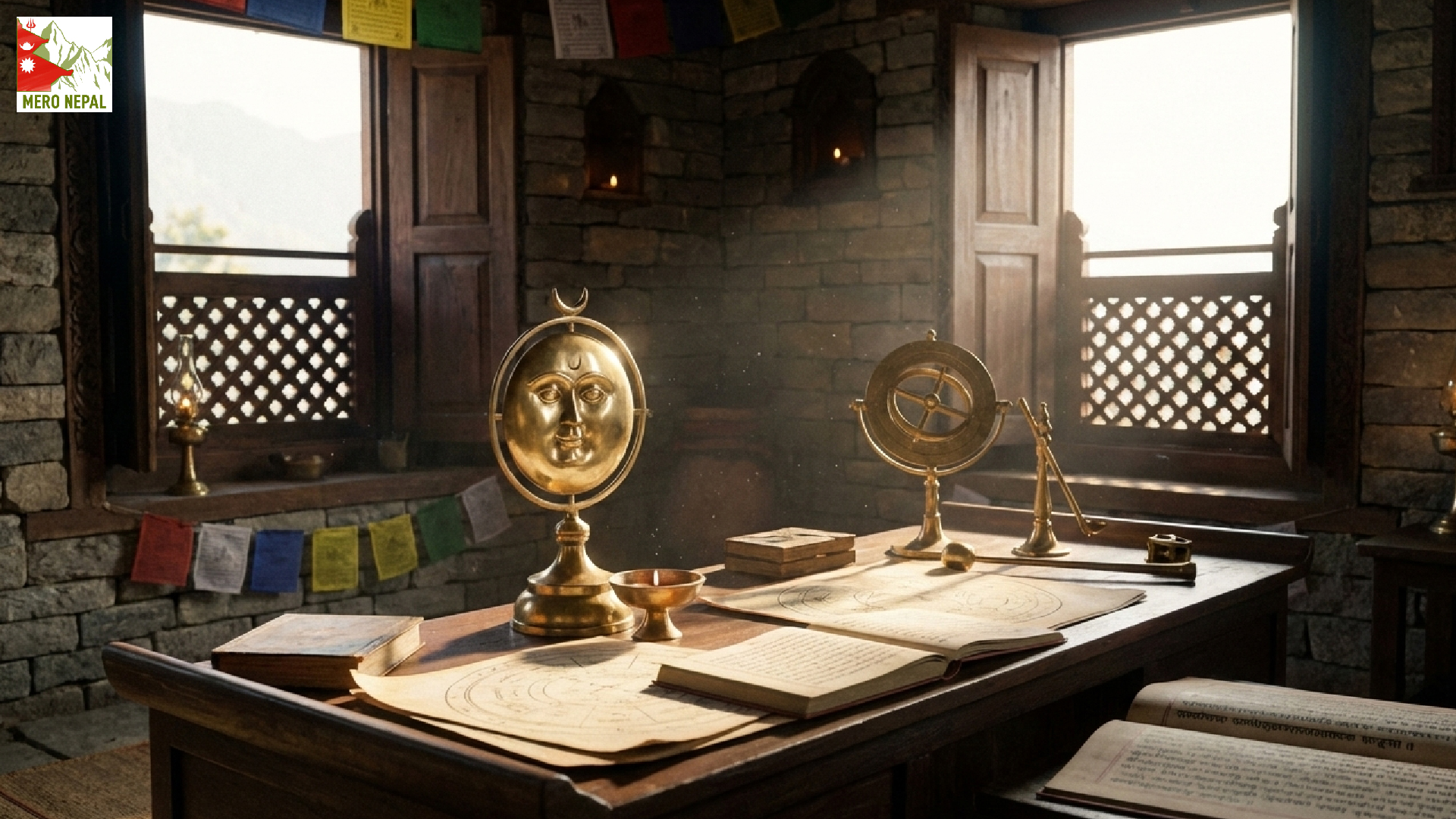
1. Introduction 1.1 Invocation and Background According to the classical Nepali astrological tradition, any serious intellectual or scholarly work begins with an invocation to the presiding planetary deity. Mercury (Budha), revered as the planet of intellect, discrimination, learning, commerce, and communication, is worshipped at the outset of this comprehensive research study. Sanskrit Verse: Priyaṅgu-kalikā-śyāmaṁ rūpeṇā […]

Continue Reading


Maha Planetary Conjunction and Detailed Horoscope for All 12 Zodiac Signs – Falgun 2082 (February/March 2026)

This report is based on a detailed analysis of rare and highly sensitive planetary configurations occurring in Falgun 2082 (February/March 2026). Special focus is given to the five-planet conjunction in the air-sign Aquarius, Mars’ combustion and transit, and Venus moving to exalted position. This research combines principles of Vedic astrology, Medini astrology, and their impact […]

Continue Reading

Interactive Cultural Map: Exploring Nepal’s Sacred Rivers and Waterfalls

Introduction:Nepal is a country rich in biodiversity and cultural diversity, stretching from the Himalayas to the Terai plains. Its rivers and waterfalls are not only sources of water but also hold immense religious, cultural, and ecological significance. With modern technology, these sacred water bodies can now be explored through an interactive cultural map. 1. Cultural […]

Continue Reading

Mars in Nepali Astrological Perspective: A Comprehensive Philosophical and Predictive Analysis

1. Invocation and Introduction Astrology is the subtle study of the interrelationship between celestial bodies and human life. In Nepali society—shaped by unique geography, a history of valor, and deep-rooted ritual traditions—the influence of Mars (Mangala) holds exceptional philosophical and practical significance. Regarded as the commander of the solar system, Mars signifies power, courage, land, […]

Continue Reading

A Comprehensive Research Report on Cultural Etiquette, Hygiene, and Social Discipline

1. Introduction Nepali culture is not merely a set of rituals but a sophisticated system of living developed over millennia in the Himalayas. Many practices that seem like simple superstitions are, in fact, rooted in early public health, psychology, and spiritual science. This report analyzes three pillar traditions: the sanctity of food (Jutho), the respect […]

Continue Reading

Comprehensive Lunar Analysis in Nepali Astrology: Nature, Conjunctions, House Effects, and Subtle Influences

1. Introduction: Nepali Astrology and the Philosophical Background of the Moon Nepali astrology is not just a set of rituals but a sophisticated system developed over millennia in the Himalayas. It explains the deep connection between the cosmos and human life. Among the nine planets (Navagraha), the Moon holds a central, sensitive, and decisive position. […]

Continue Reading

Why Shoes Are Kept Outside the House: Cultural Etiquette and Spiritual Beliefs

Introduction In many traditional Nepali households, shoes are removed before entering the home. This practice is not only about cleanliness; it carries deep cultural, social, and spiritual meaning. Removing shoes shows respect for the household, preserves positive energy, and reflects an understanding that the home is a personal and often sacred space. Over generations, this […]

Continue Reading

Why Food Is Never Tasted Before Offering It During Worship

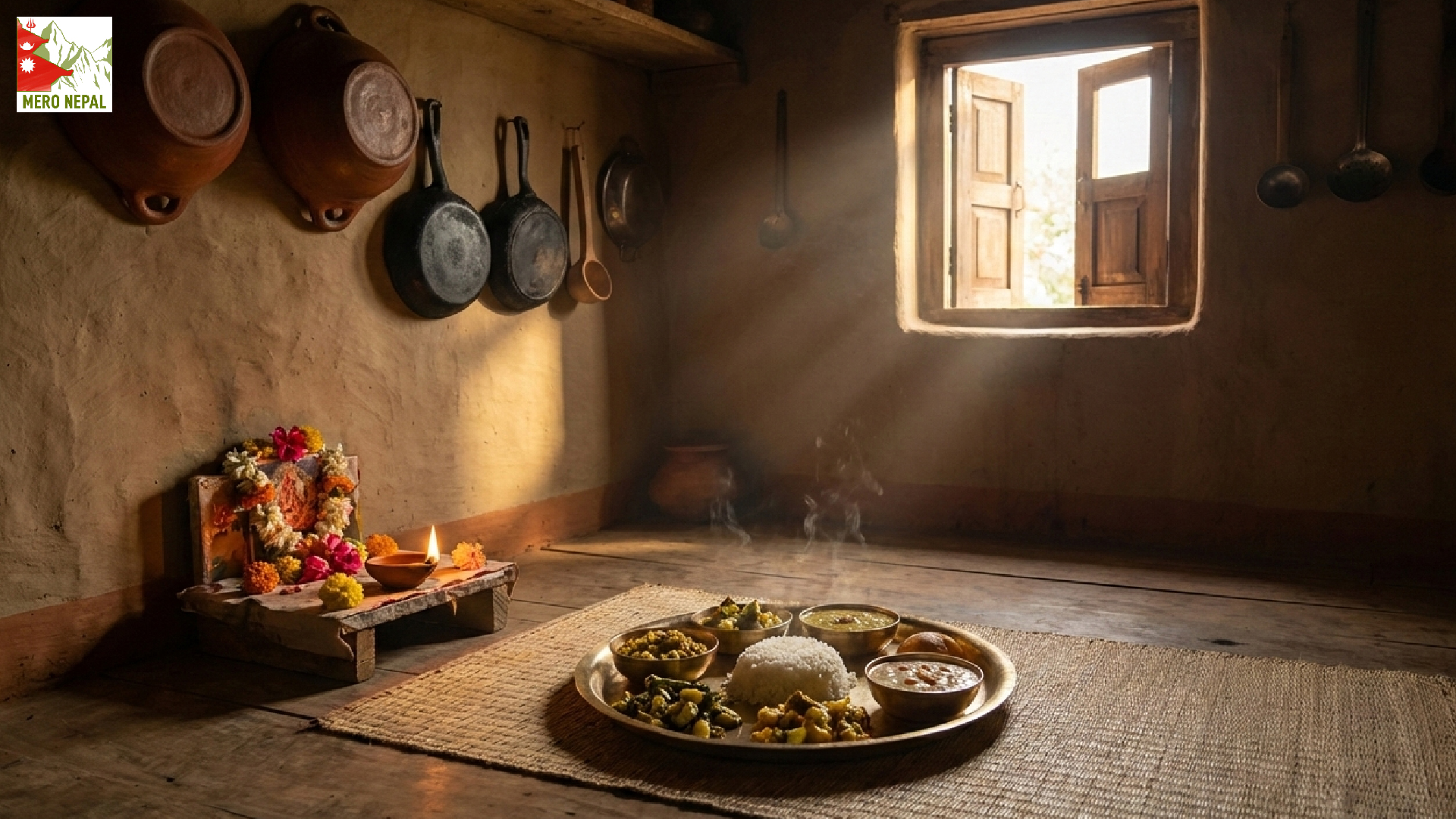
Introduction Food prepared for worship serves a purpose very different from ordinary meals. It is not meant simply for consumption but is regarded as a medium of devotion, gratitude, and reverence. For this reason, traditional practice strictly observes the rule that food must never be tasted before it is offered. Although this rule may appear […]

Continue Reading

The Spiritual Significance of Not Crossing Over Someone While They Sit: Respect and Cultural Etiquette

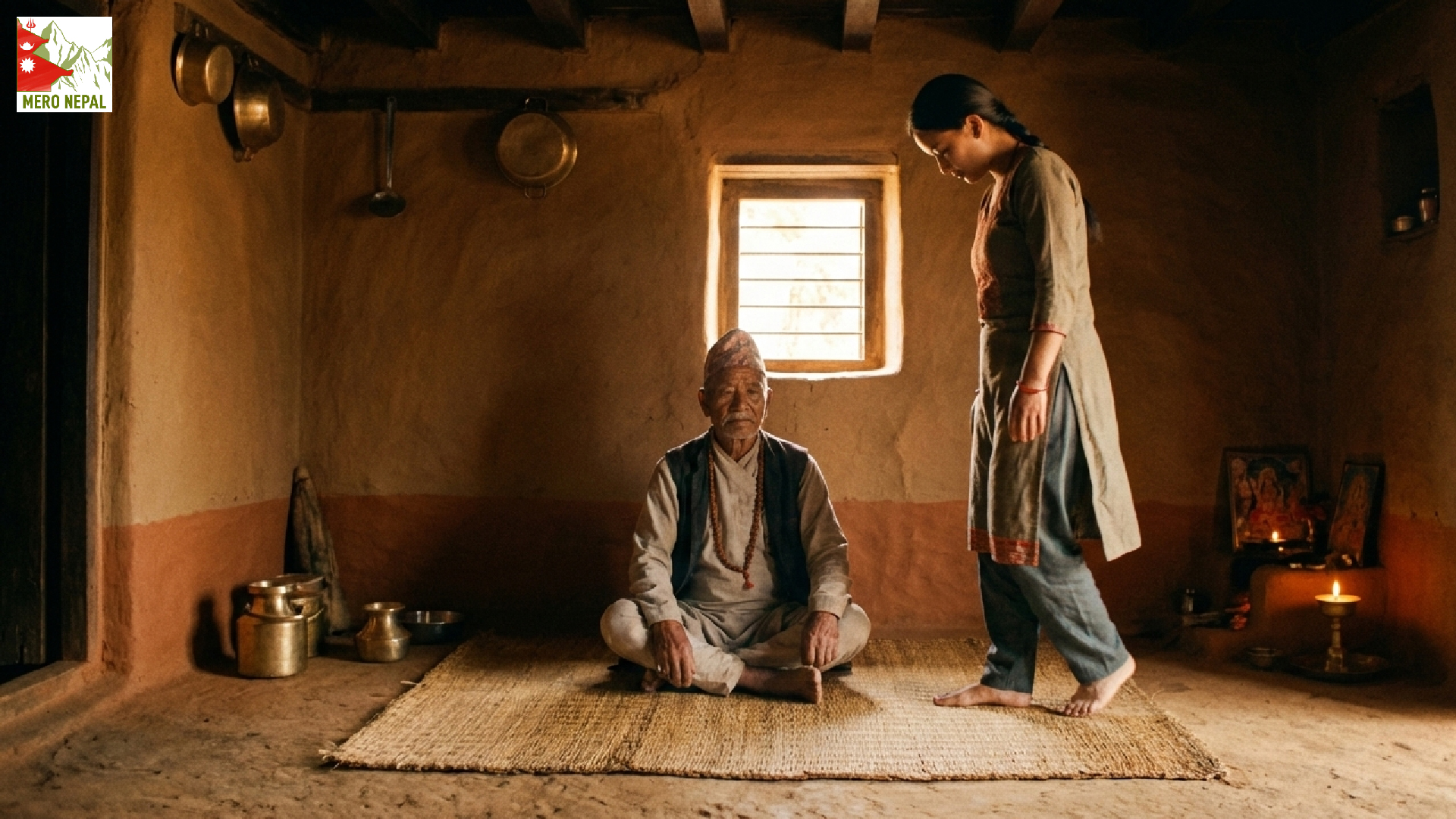
Introduction Not crossing over a seated person is more than a matter of etiquette; it reflects centuries of spiritual, social, and psychological understanding. In many traditional households, stepping over someone sitting on the floor, a mat, or a chair is considered disrespectful. This practice teaches respect, mindfulness, and discipline, emphasizing the importance of honoring personal […]

Continue Reading

The Meaning of Eating Only After Offering Food to the Divine

A Long-Standing Practice of Gratitude, Discipline, Restraint, and Mindful Living The tradition of eating food only after offering it to the divine is not merely a religious ritual; it is a cultural practice that shapes disciplined, balanced, and mindful living. According to traditional thought, food is the foundation of life, and life itself is not […]

Continue Reading