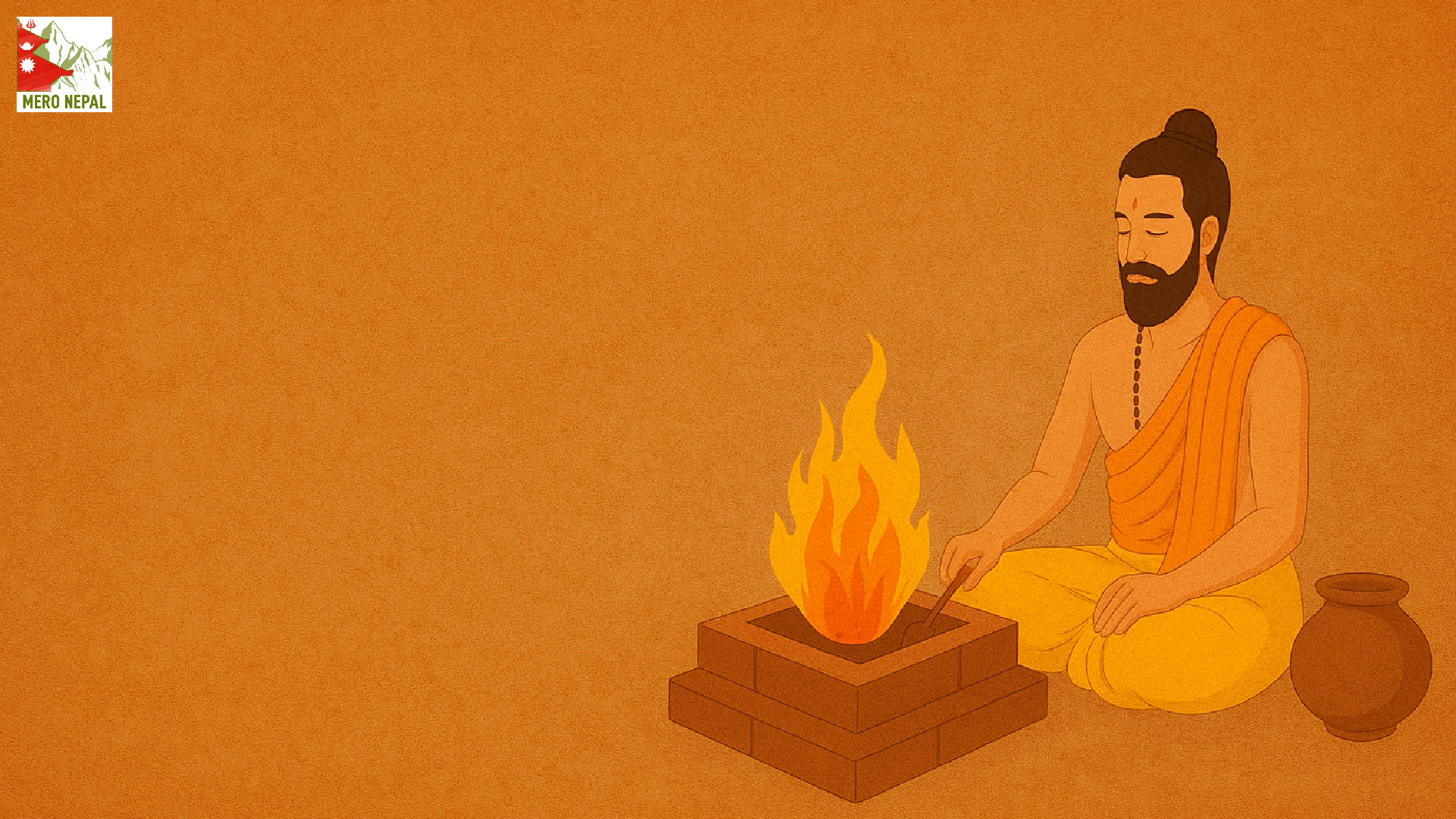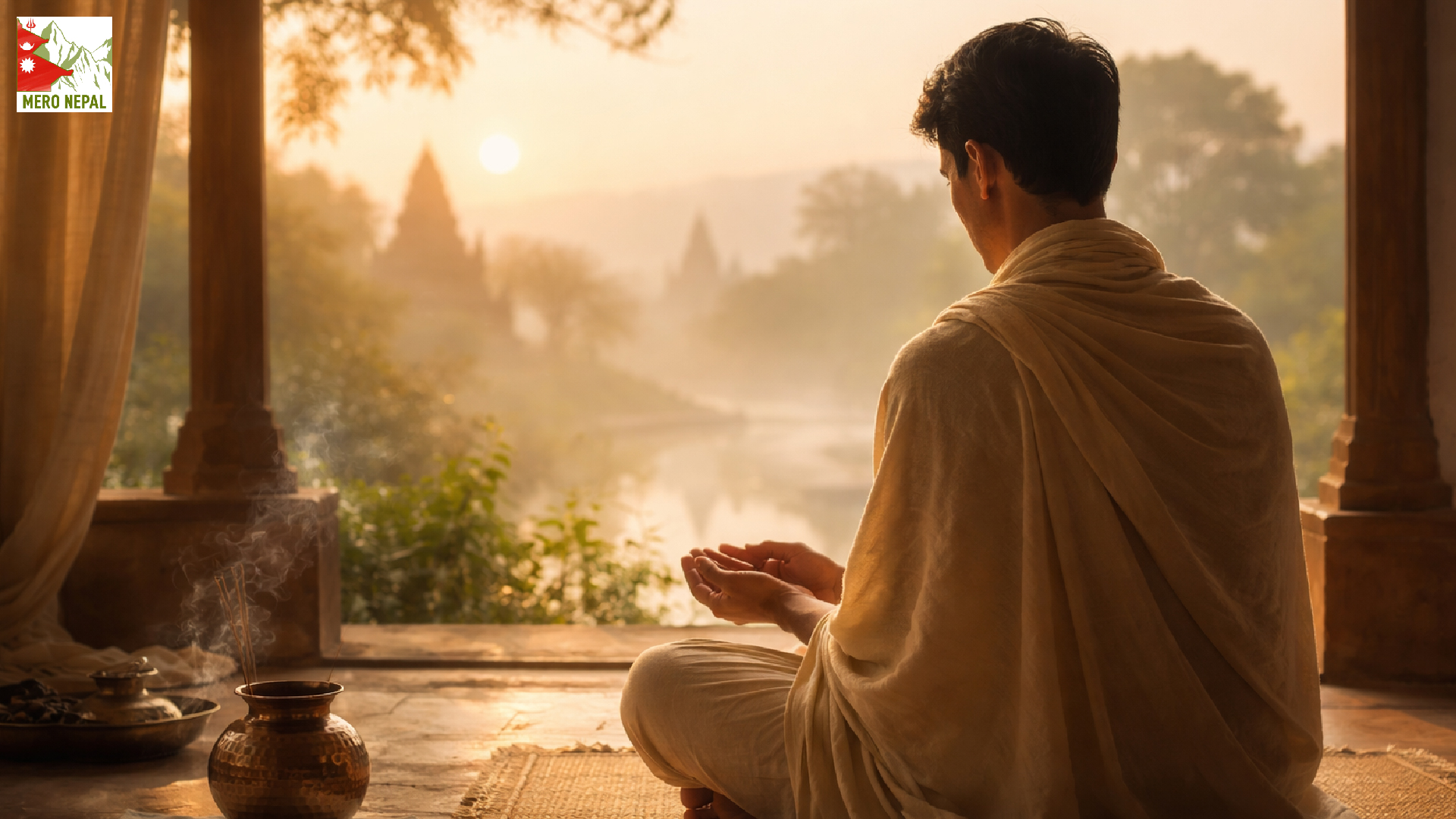
5 Simple Morning Rituals According to Dharma Shastra for a Productive Day

Introduction The way you begin your morning has a profound impact on the rest of your day. Dharma Shastra outlines morning rituals that are not just religious practices but practical disciplines designed to bring mental clarity, physical balance, and purposeful action. These simple routines harmonize with natural rhythms, preparing the body and mind for a […]

Continue Reading
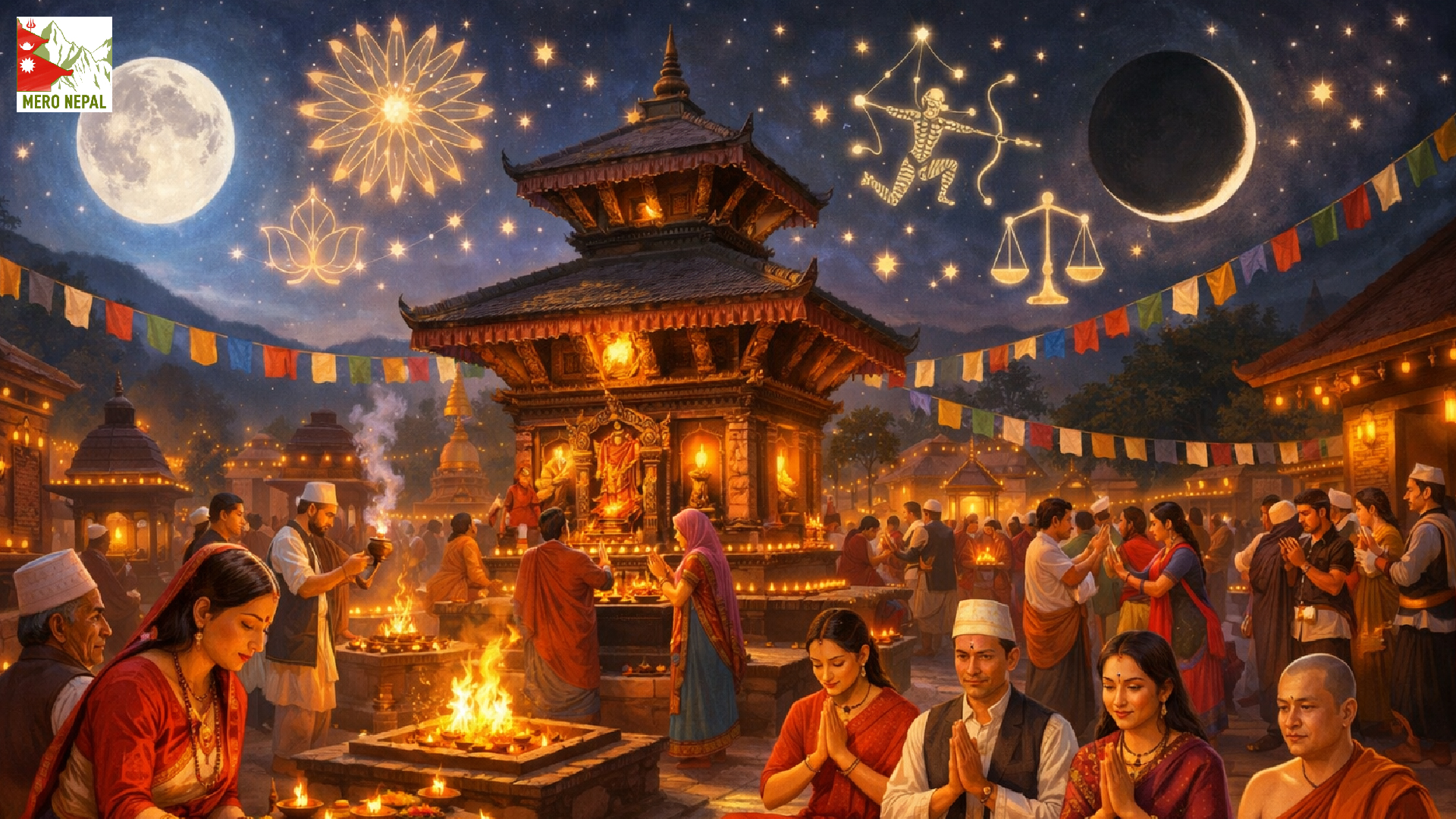
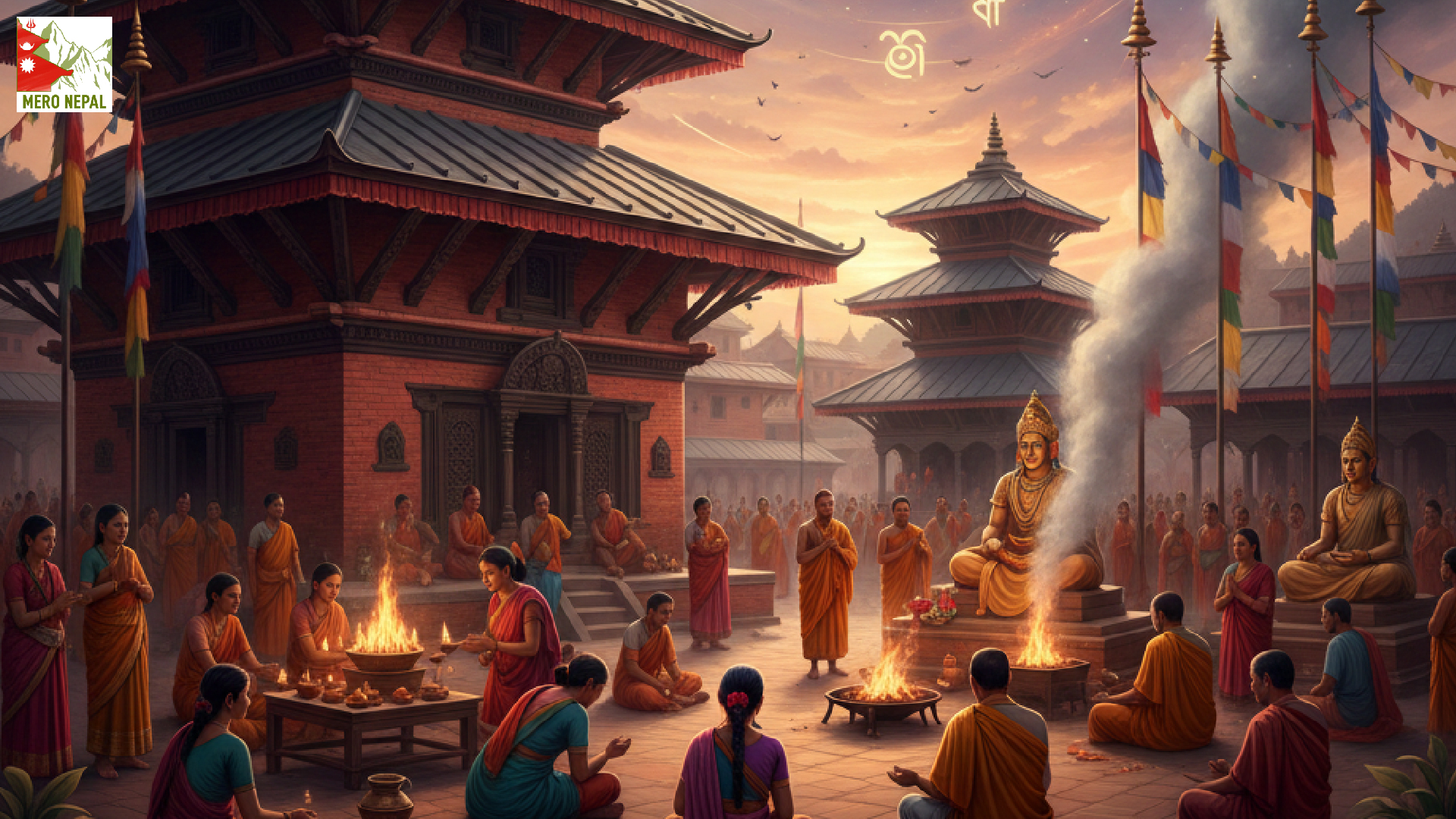
The Importance of Panchang in Nepal

In Nepal, the Panchang holds a vital place in religious, cultural, and social life. Panchang is a traditional timekeeping system based on the movements of the sun, moon, planets, and stars. It provides information on the tithi (lunar day), weekday, nakshatra (constellation), yoga, and karan, guiding auspicious timings for daily activities, rituals, festivals, weddings, housewarmings, […]

Continue Reading

The Role of Tithis and Yogas in Determining Auspicious Days in Nepali Religious Life

In Nepal, determining auspicious days for rituals, festivals, weddings, housewarmings, and other important events is deeply rooted in traditional astrology. The core of this system is tithis and yogas, which are integral components of the Nepali lunar calendar. Tithis are calculated based on the position of the moon relative to the sun, while yogas are […]

Continue Reading

Sacred Timekeeping in Nepal: How Lunar Tithi Shapes Religious Rituals and Community Life

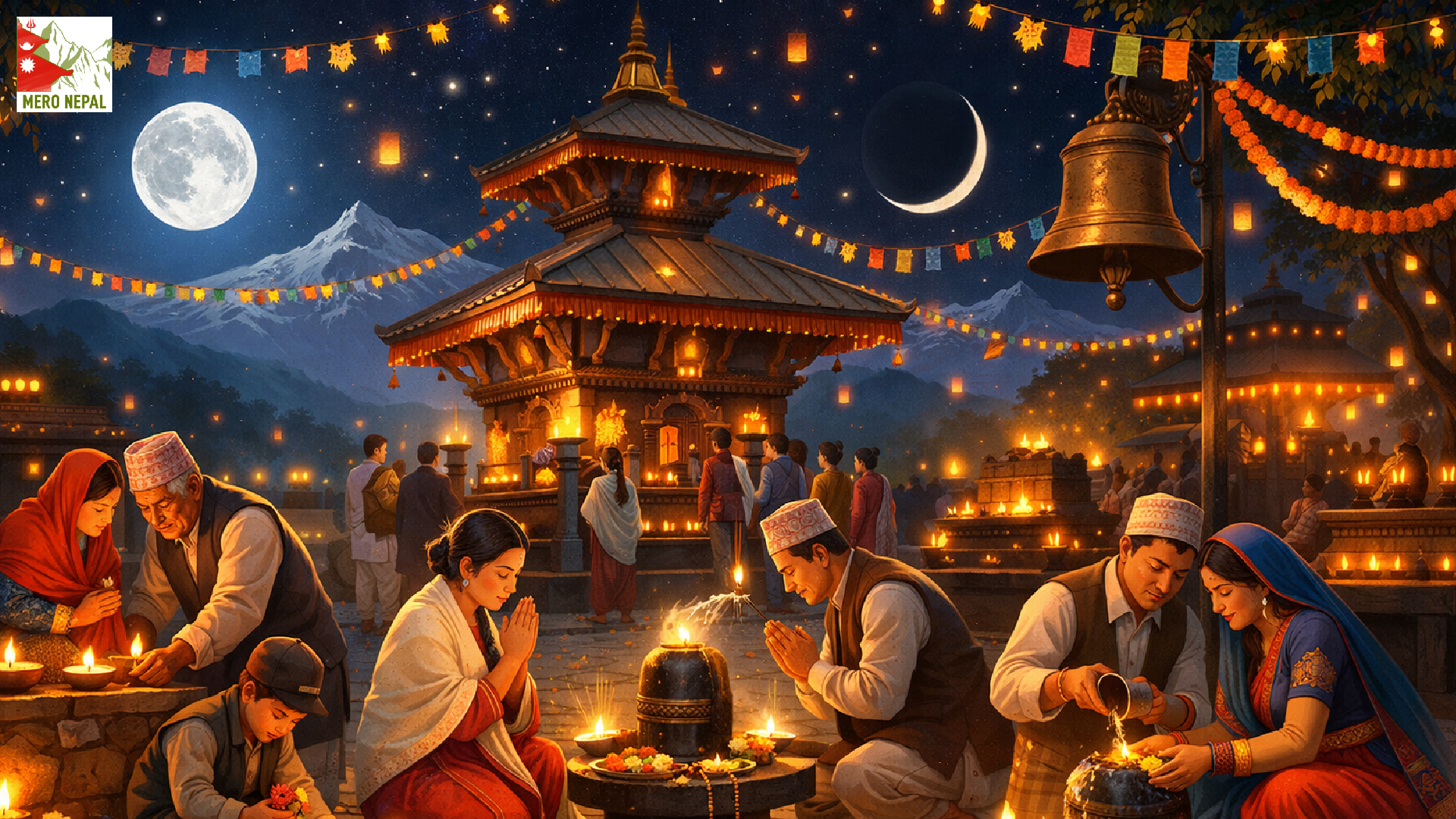
In Nepal, lunar tithis (chandra tithis) are an integral part of religious, cultural, and social life. They are not only a tool to measure time but also guide rituals, fasting, festivals, and community activities. In Nepali Hindu and Buddhist traditions, performing tasks according to tithis is deeply ingrained. Each lunar tithi is believed to indicate […]

Continue Reading

Amavasya and Purnima in Nepali Tradition: Religious Practices, Astrological Meaning, and Cultural Beliefs

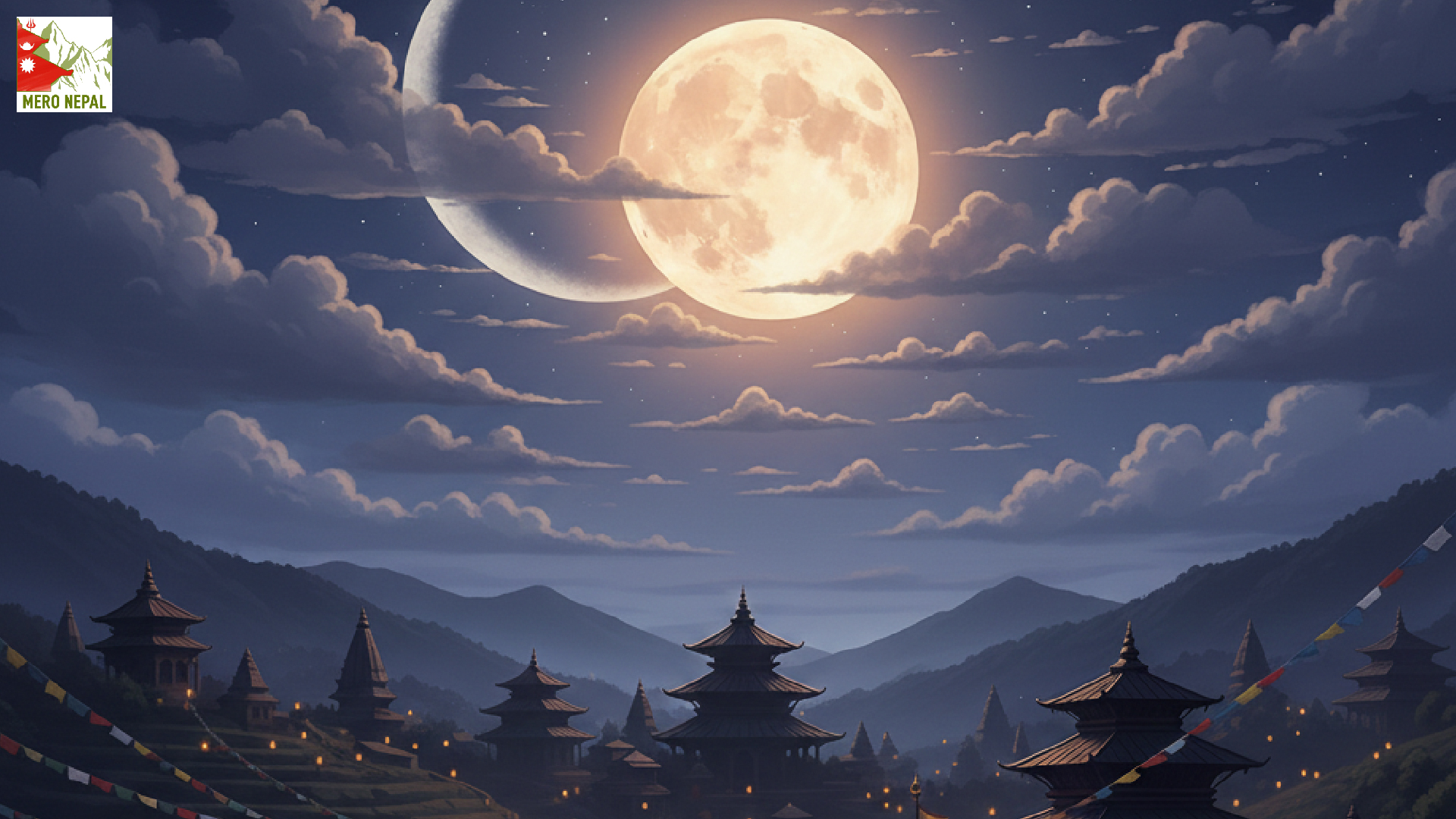
Amavasya and Purnima are two of the most significant lunar phases in Nepali religious and cultural life. They are not merely dates in the lunar calendar but are deeply connected with rituals, fasting, ancestral remembrance, meditation, and collective social practices. In Nepal, both Hindu and Buddhist traditions understand Amavasya and Purnima as special periods for […]

Continue Reading

The Relationship Between Seasonal Change and Religious Rituals in Nepal

Seasonal change in Nepal affects far more than weather and climate. It strongly influences religious rituals, cultural practices, worship traditions, agricultural festivals, and the rhythm of daily life. The country’s diverse geography—mountains, hills, and plains—creates distinct patterns of rituals and ceremonies practiced according to the seasons. Seasonal System and Religious Timekeeping Nepal recognizes six seasons: […]

Continue Reading

Nepal’s Yoga–Karan System: Vedic Time Calculation, Auspicious Timing, and Its Role in Daily and Cultural Life

Nepal’s cultural and religious life is closely intertwined with Vedic timekeeping systems. Among these, the Yoga–Karan system stands out as a sophisticated method for calculating auspicious moments, aligning human activities with cosmic rhythms. Rooted in ancient Vedic astronomy and astrology, this system determines favorable timings for rituals, ceremonies, festivals, and daily activities, influencing spiritual, social, […]

Continue Reading

Surya Panchanga in Nepal: Solar Calculations, Cultural Tradition, and Its Detailed Impact

Surya Panchanga is a timekeeping system based on the movement of the sun, influencing various aspects of life in Nepal, including months, seasons, Sankranti (solar transitions), agricultural cycles, religious rituals, and social activities. Although the lunar calendar is also widely used in Nepal, the Surya Panchanga provides a scientific foundation for the annual cycle, national […]

Continue Reading

The Influence of Lunar Phases on Nepalese Rituals and Festivals: Cultural and Astrological Significance of Tithi

Summary: Tithi, determined by the angular distance between the Moon and the Sun, is a time unit that profoundly affects religious activities, festivals, fasts, worship, and daily rituals in Nepal. In Nepali society, tithi is not only a scientific measure of time but also a celestial guide aligning human energy, nature, and spiritual awareness. 1. […]

Continue Reading

Why Fire (Agni) Is Central in Hindu Rituals: Scientific and Spiritual View

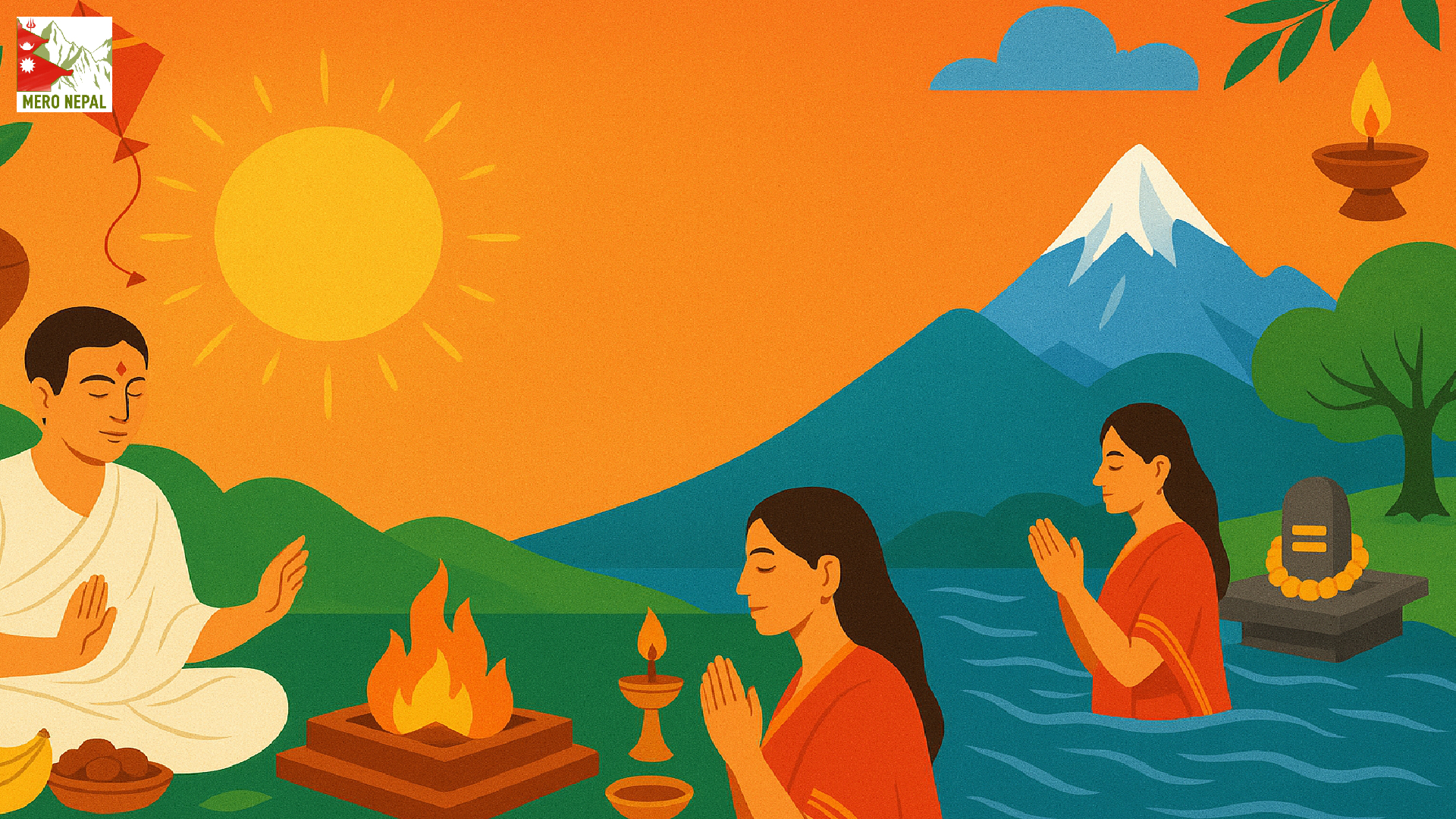
In Hinduism, fire is more than a physical element—it represents life, purity, energy, and divine consciousness. Since the Vedic era, every religious ritual, whether a yajna, havan, puja, or life-cycle ceremony, is considered incomplete without fire. Fire is viewed as the bridge between humans and the divine, carrying offerings, prayers, and intentions to the gods. […]

Continue Reading