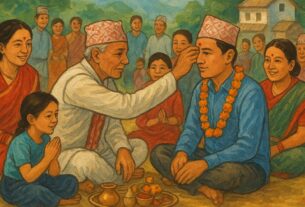
Nepal’s cultural and religious life is closely intertwined with Vedic timekeeping systems. Among these, the Yoga–Karan system stands out as a sophisticated method for calculating auspicious moments, aligning human activities with cosmic rhythms. Rooted in ancient Vedic astronomy and astrology, this system determines favorable timings for rituals, ceremonies, festivals, and daily activities, influencing spiritual, social, and personal life across Nepal.
1. Historical Roots of the Yoga–Karan System
The Yoga–Karan system is derived from Vedic astronomy, which emphasizes the relationship between celestial bodies and terrestrial events. Ancient texts like the Surya Siddhanta, Brihat Samhita, and other Jyotish Shastras outline methods for calculating planetary positions, Nakshatras (lunar constellations), Tithis (lunar days), and Yugas (epochs). In Nepal, royal courts, astrologers, and guthi institutions historically relied on this system to determine auspicious dates for coronations, marriages, religious observances, and construction of temples.
2. How the System Works
The Yoga–Karan system involves precise astronomical calculations combining the positions of the sun, moon, and other planets to determine Yogas, Karanas, and Tithis.
Yoga: A specific combination of the sun and moon’s positions that influences energy and auspiciousness. There are 27 Yogas, each with a unique effect on rituals and human activities.
Karana: Half of a lunar day; each Karana has distinct properties affecting the success of ceremonies.
Tithi: Lunar day, critical for deciding the timing of festivals, fasts, and religious observances.
Astrologers calculate these elements daily to create the Panchanga (calendar), which guides personal and communal decisions. Accuracy requires precise observation of celestial movements, use of ephemeris tables, and alignment with local time standards.
3. Application in Daily Life
In Nepal, Yoga–Karan is not only a ritual guide but also a practical tool for daily life:
Personal Rituals: Determining auspicious times for meditation, prayer, and worship.
Business and Agriculture: Choosing favorable moments for starting ventures, planting crops, or harvesting.
Health and Healing: Planning Ayurvedic treatments, rituals, or ceremonies for wellness.
Travel and Social Events: Selecting safe and prosperous times for journeys, marriages, and festivals.
The system ensures harmony between human actions and cosmic rhythms, believed to maximize benefits and minimize obstacles.
4. Role in Festivals and Cultural Events
Many Nepali festivals and community rituals are based on Yoga–Karan calculations:
Dashain and Tihar: Tithis and Yogas determine the dates and precise times for offerings, animal sacrifices, and family gatherings.
Chhath Puja and Maghe Sankranti: Sunrise and sunset, combined with Yoga–Karan, dictate the exact ritual moments.
Weddings and Religious Ceremonies: Auspicious Yogas are carefully chosen to ensure long-lasting prosperity, harmony, and spiritual merit.
The Yoga–Karan system creates a structured framework that preserves cultural heritage while aligning with celestial phenomena.
5. Yoga–Karan in Astrology
In astrology, the system is fundamental for analyzing horoscopes and predicting outcomes:
Birth Charts: Yogas at the time of birth influence personality, destiny, and life events.
Muhurta (Auspicious Timing): Selection of favorable Yogas and Karanas ensures success in ventures and spiritual practices.
Planetary Periods: Understanding how celestial periods interact with Yogas helps in forecasting health, wealth, and relationships.
Astrologers integrate the Yoga–Karan system with other Jyotish techniques to guide life decisions.
6. Modern Adaptations
Today, digital tools and mobile apps make Yoga–Karan calculations accessible to the general public:
Mero Nepal App: Provides Panchanga, auspicious timings, Nakshatra, Tithi, Yoga, and Karana daily.
Digital Panchangas: Allow Nepalis to plan religious rituals, marriages, and festivals from anywhere.
Educational Resources: Websites and apps teach the principles of Yoga–Karan, preserving Vedic knowledge while making it relevant to contemporary life.
These innovations maintain cultural continuity while accommodating modern lifestyles.
7. Cultural and Spiritual Significance
Yoga–Karan reflects a holistic understanding of life, where spiritual, social, and practical aspects intersect:
Harmony with Nature: Aligning human activities with celestial movements fosters a sense of cosmic balance.
Spiritual Merit: Performing rituals at auspicious times is believed to amplify religious and karmic benefits.
Social Cohesion: Standardized auspicious timings allow communities to participate collectively in festivals and rituals.
Through centuries, the Yoga–Karan system has reinforced Nepalese identity, connecting daily life with timeless Vedic wisdom.
8. Conclusion
The Yoga–Karan system remains central to Nepal’s religious, cultural, and social practices. By combining astronomical precision with spiritual insight, it ensures that personal and communal activities align with cosmic rhythms. In modern Nepal, digital tools have made this ancient system accessible, helping individuals preserve tradition while navigating contemporary life. Its enduring relevance underscores the deep integration of astronomy, astrology, and cultural heritage in Nepalese society.
Experience MeroNepal App – Everything Nepal in One Place
Stay connected with the latest news, cultural insights, festivals, astrology updates, and more with the MeroNepal App. Designed for convenience, it brings all the information you need right to your fingertips.
Up-to-date News & Articles: Get timely updates on local and national events.
Cultural & Festival Insights: Explore Nepal’s rich traditions and rituals.
Astrology & Panchang: Check daily horoscopes and tithis effortlessly.
Download now and stay informed anytime, anywhere: MeroNepal on Google Play