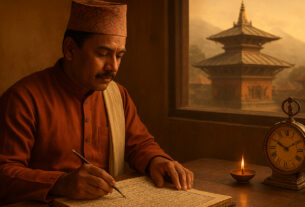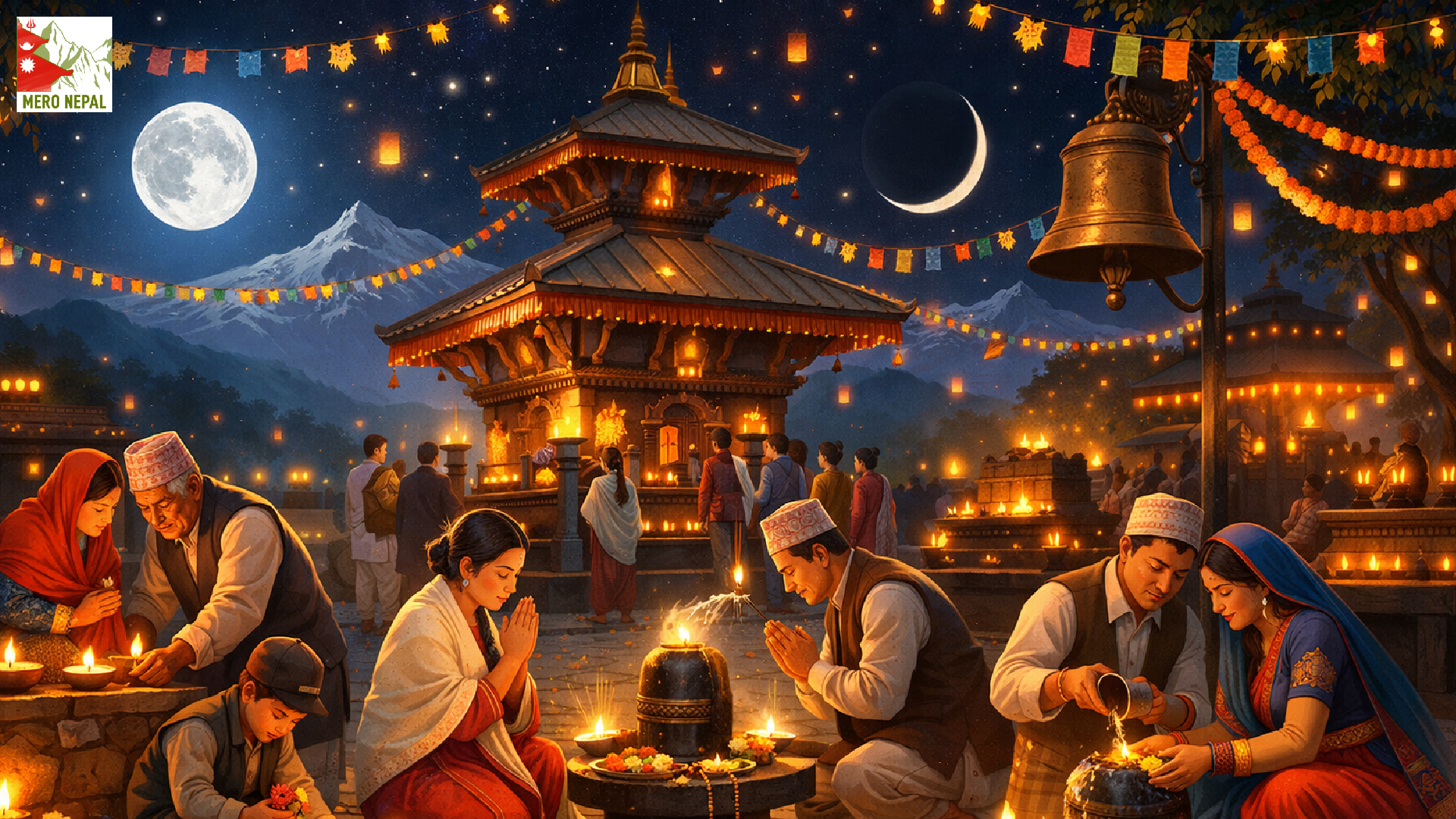
In Nepal, lunar tithis (chandra tithis) are an integral part of religious, cultural, and social life. They are not only a tool to measure time but also guide rituals, fasting, festivals, and community activities. In Nepali Hindu and Buddhist traditions, performing tasks according to tithis is deeply ingrained. Each lunar tithi is believed to indicate auspicious or inauspicious moments, influencing religious, social, and family decisions. By following the tithi system, Nepali society maintains discipline, collective awareness, and preserves cultural values.
Lunar tithis guide significant decisions in daily life. Beyond religious rituals, they provide structure for agriculture, festivals, and traditional activities. In modern times, digital calendars and mobile apps make tithi information easily accessible, allowing Nepalis to follow traditions conveniently while staying connected to modern life.
Lunar Tithi: Introduction and Significance
A lunar tithi is determined by the moon’s position. Each month is divided from Amavasya (new moon) to Purnima (full moon). Every tithi has its unique name, characteristics, and auspiciousness. For example, Pratipada, Dwadashi, and Chaturdashi have special religious significance.
In Nepal, tithis are used to schedule weddings, rituals, fasting, and social ceremonies. Key observances like Janai Purnima, Kushe Aunsi, and Tihar are fixed according to tithis. This system ensures that personal, family, and social activities are conducted in a structured and auspicious manner.
Role of Tithi in Religious Rituals
Rituals and prayers are performed according to the lunar tithi. Amavasya is considered crucial for honoring ancestors (Shraddha) and meditation. Purnima is observed for charity, community worship, and festivals.
Different communities, such as Tharu, Newar, Tamang, Gurung, and Sherpa, follow tithis to determine their rituals, fasting, and festivals. Tithis help maintain religious discipline, preserve traditional knowledge, and encourage communal participation.
Social and Community Impact
Lunar tithis foster social unity. When everyone observes festivals and rituals on the same day, collective worship, celebrations, and cultural programs can be conducted smoothly. Participation in fasting, rituals, and ancestral rites strengthens family and community bonds.
Community events, intercultural marriages, and local celebrations are also scheduled based on tithis. In this way, lunar tithis contribute to social stability and collective cultural awareness.
Role in Agriculture and Natural Life
In Nepal’s agrarian society, tithis guide farming activities. Planting, harvesting, and other agricultural work were traditionally aligned with lunar phases. For example, some communities perform special agricultural rituals during the full moon, while Amavasya is observed as a day of rest and ancestor worship.
Following tithis ensures harmony with natural cycles, preserves traditional knowledge, and balances daily life. Even modern farmers use digital calendars and mobile apps to check tithis for agricultural planning.
Astrological Perspective
Lunar tithis are considered indicators of auspicious and inauspicious timings in astrology. Combined with Nakshatra, Yoga, and Karana, tithis determine the right time for rituals, fasting, and journeys. Observing these guidelines is believed to bring peace, prosperity, and safety.
Astrological recommendations based on tithis positively influence mental balance, social harmony, and family relationships. Knowledge of tithis helps people make safe and culturally aligned decisions in daily life.
Use of Tithis in Modern Life
Even in urban life, the importance of tithis has not diminished. Digital calendars, mobile apps, and online astrological services make tithi information easily available. This allows Nepalis to follow traditional timekeeping practices conveniently while staying connected to modern life. Religious awareness, cultural traditions, and mental balance continue to motivate many to observe tithis in daily life.
If you want accurate and reliable information about daily tithis, festivals, fasting, rituals, and the Nepali lunar calendar, the Mero Nepal App is a useful tool. Through this app, you can access daily tithis, lunar phase information, exact dates of festivals, ritual procedures, and articles related to Nepali traditions all in one place. Cloud-based updates ensure you receive the latest information instantly. Download link: https://play.google.com/store/apps/details?id=com.meronepal.app
Conclusion
Lunar tithis in Nepal are not merely a measurement of time but a guiding principle for religious, cultural, and social life. They provide direction for rituals, festivals, fasting, community participation, and personal decisions. Even in modern life, tithis continue to influence Nepali lifestyles, traditions, and religious consciousness. The practice and knowledge of lunar tithis strengthen cultural continuity, discipline, and social unity in Nepal.