Gai Tihar and Laxmi Puja: Honoring Cows and the Goddess of Wealth

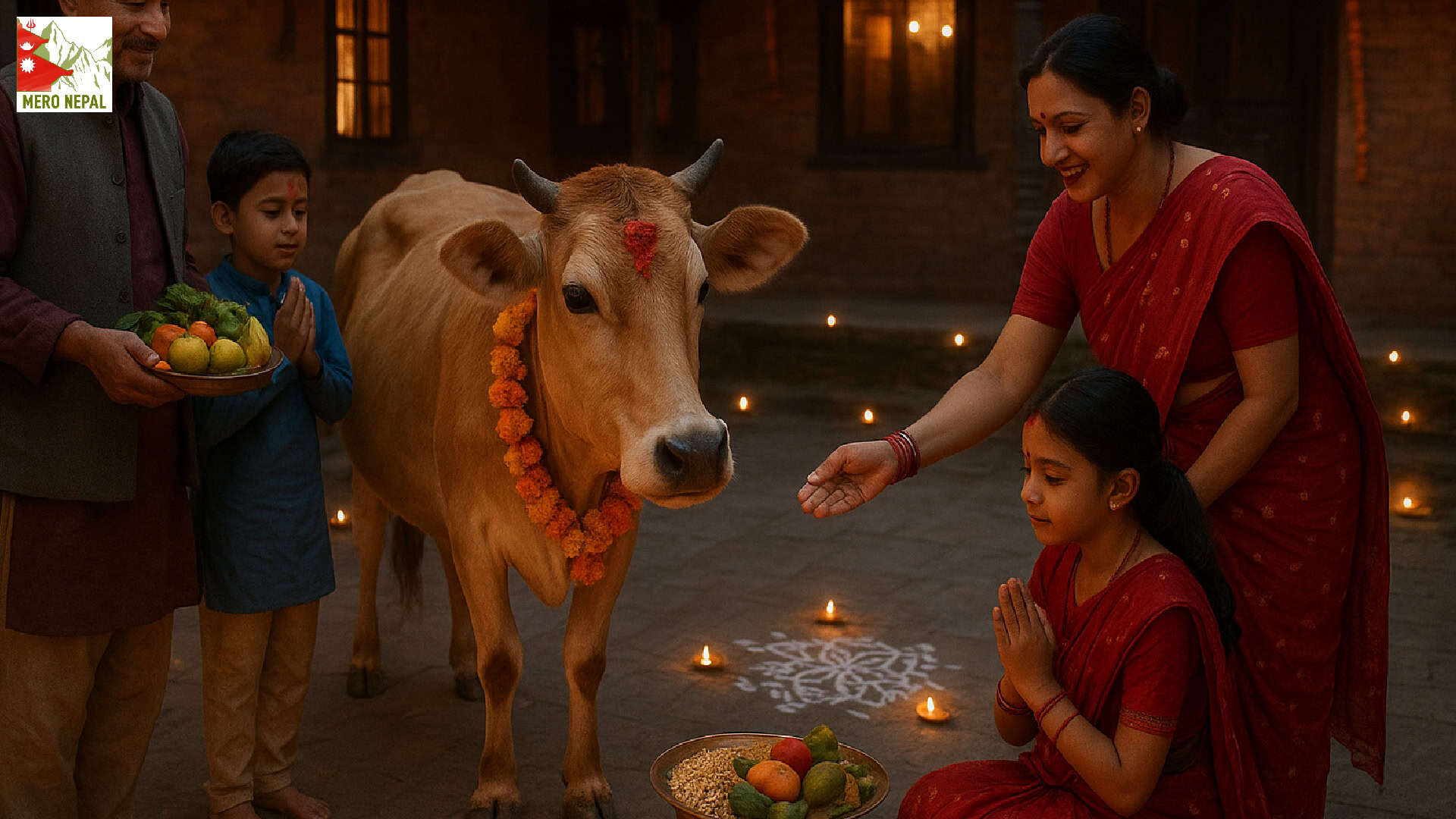
Introduction Tihar, also known as the Nepali version of Diwali, is a five-day festival celebrated across Nepal. The third day of Tihar is dedicated to cows and Goddess Laxmi, the deity of wealth and prosperity. Cows, revered in Hinduism, symbolize nourishment, abundance, and Mother Earth, while Laxmi represents prosperity, well-being, and happiness. On this day, […]

Continue Reading
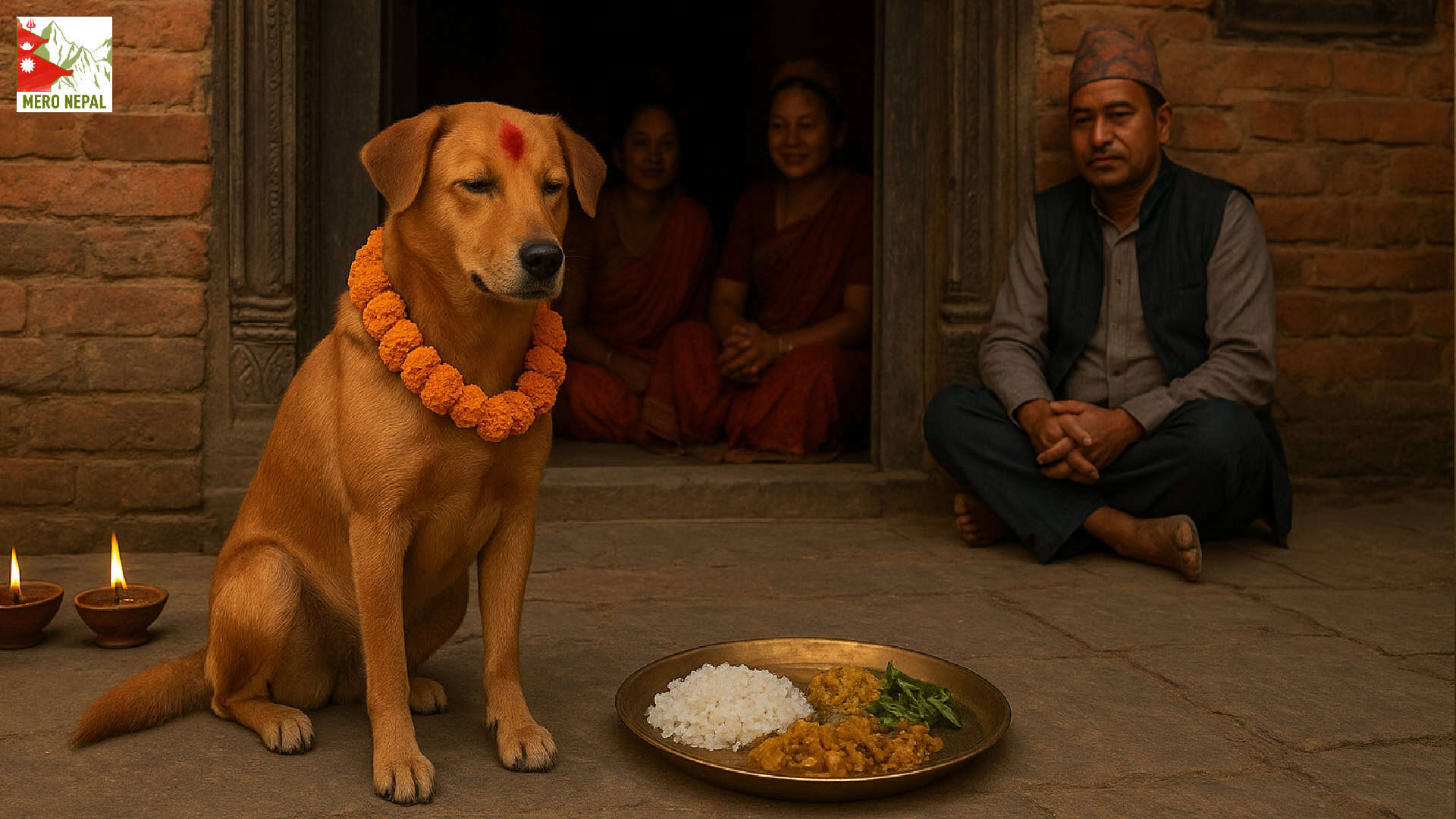
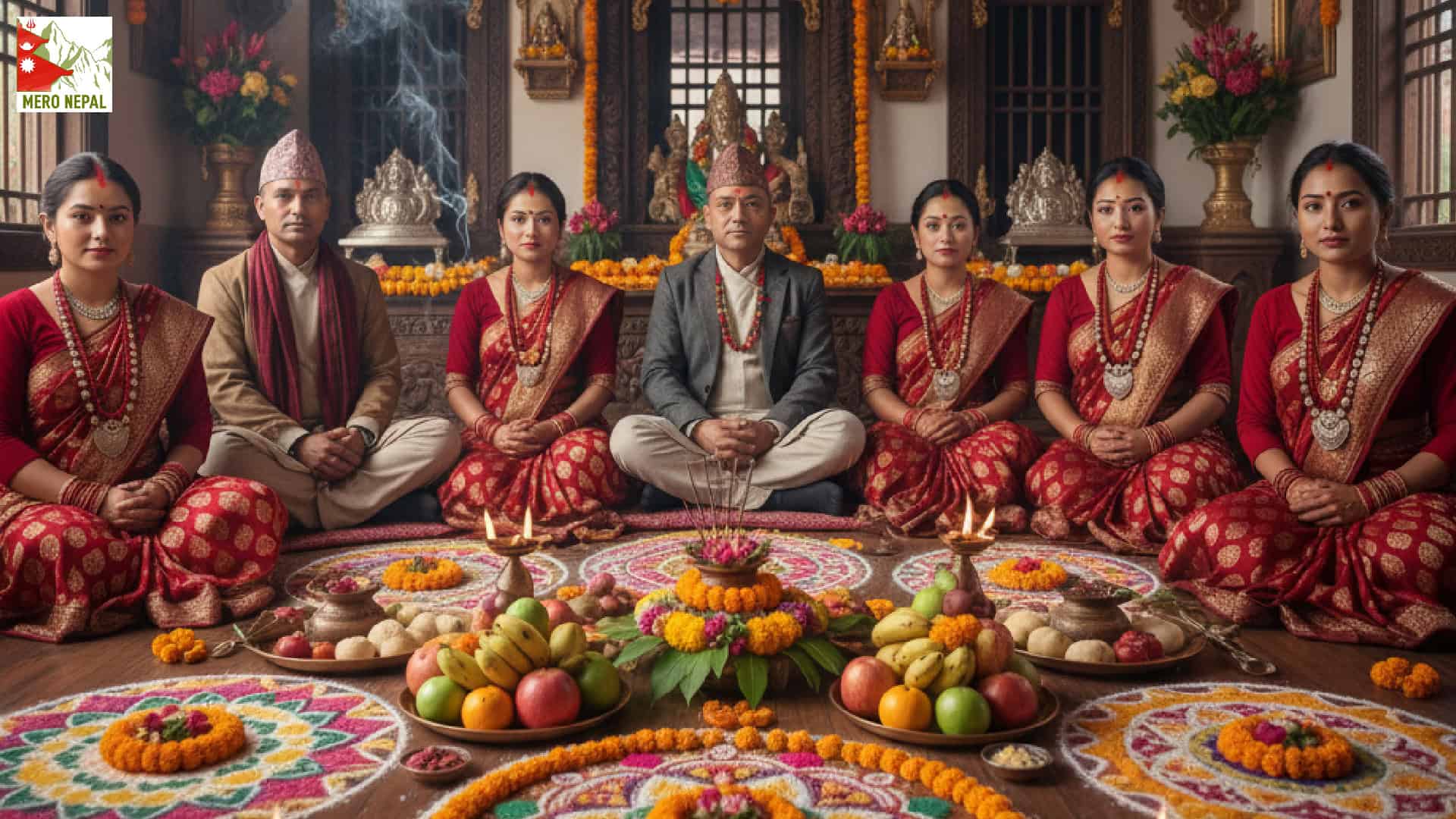
Kukur Tihar (Dog Day): Honoring Loyalty, Protection, and Spiritual Companionship

Introduction Kukur Tihar, also known as Dog Day, is the second day of the Tihar festival, one of Nepal’s most vibrant and widely celebrated festivals. While the first day, Kaag Tihar, honors crows, the second day is dedicated to dogs, recognizing them as loyal companions, guardians, and spiritual protectors. Kukur Tihar reflects a unique aspect […]

Continue Reading

Mha Puja: Newar Festival of Self-Purification and Nepal Sambat New Year

Mha Puja is a unique, culturally and spiritually significant festival celebrated by the Newar community of Nepal. It is observed on the first day of the Nepal Sambat New Year and focuses on personal purification, self-awareness, spiritual renewal, and inner empowerment. Unlike other festivals that honor deities, Mha Puja venerates the individual, recognizing the body, […]

Continue Reading

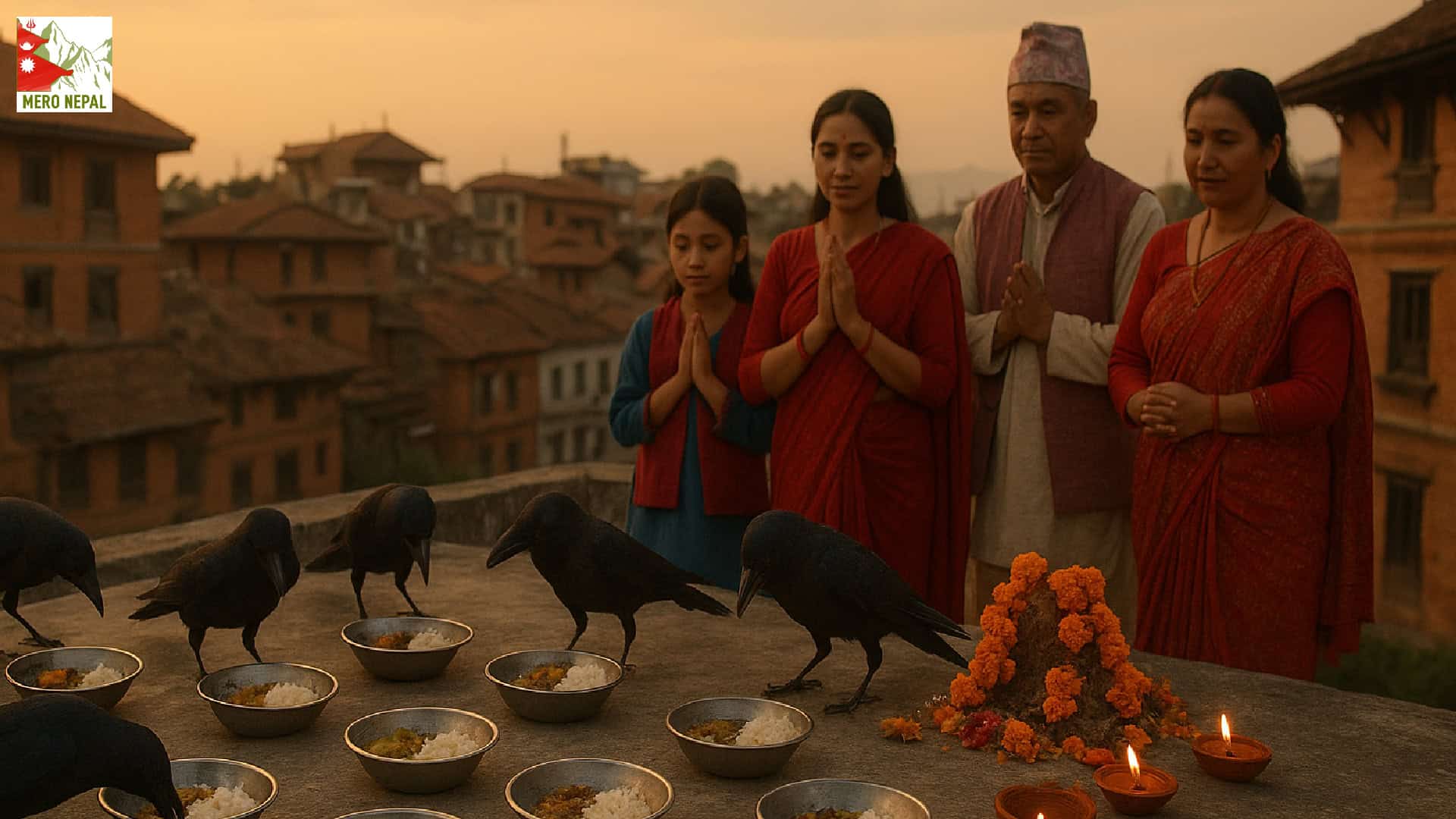
Kaag Tihar (Crow Day): Honoring the Messengers of Fortune

Introduction Kaag Tihar, also called Crow Day, marks the first day of Tihar, one of the most vibrant and widely celebrated festivals in Nepal. Tihar, often referred to as the Festival of Lights, spans five days and honors animals, deities, and family relationships. Kaag Tihar is specifically dedicated to crows, considered messengers of death, fortune, […]

Continue Reading

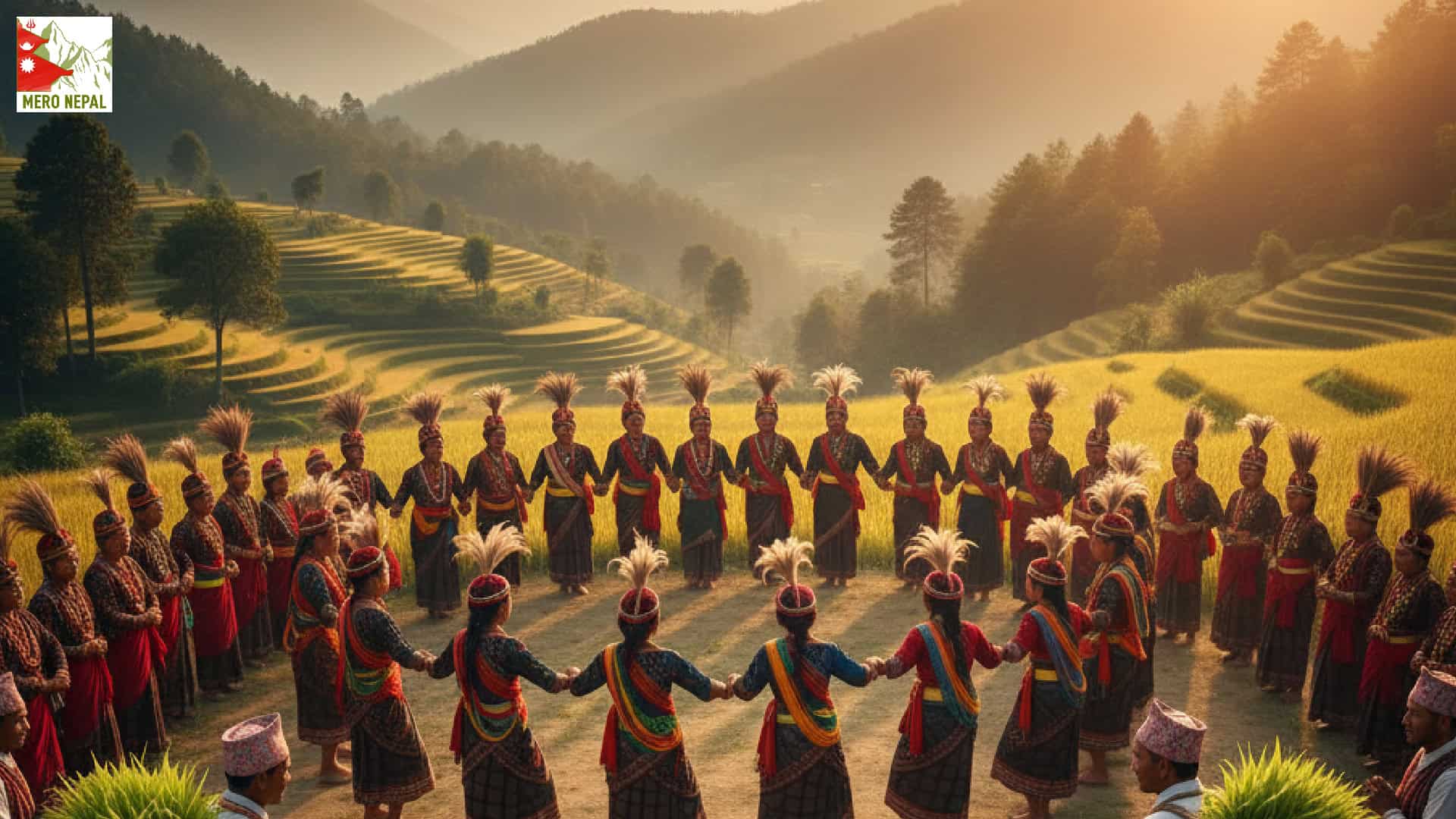
Udhauli Festival: The Kirat Tradition of Migration, Gratitude, and Cultural Unity

The Udhauli Festival is a significant celebration deeply connected to the lifestyle, cultural practices, and spiritual beliefs of the Kirat community. Observed every year in the month of Mangshir (November–December), this festival reflects not only seasonal changes but also the life cycles of humans, animals, birds, and the entire natural world. The Kirat tradition has […]

Continue Reading

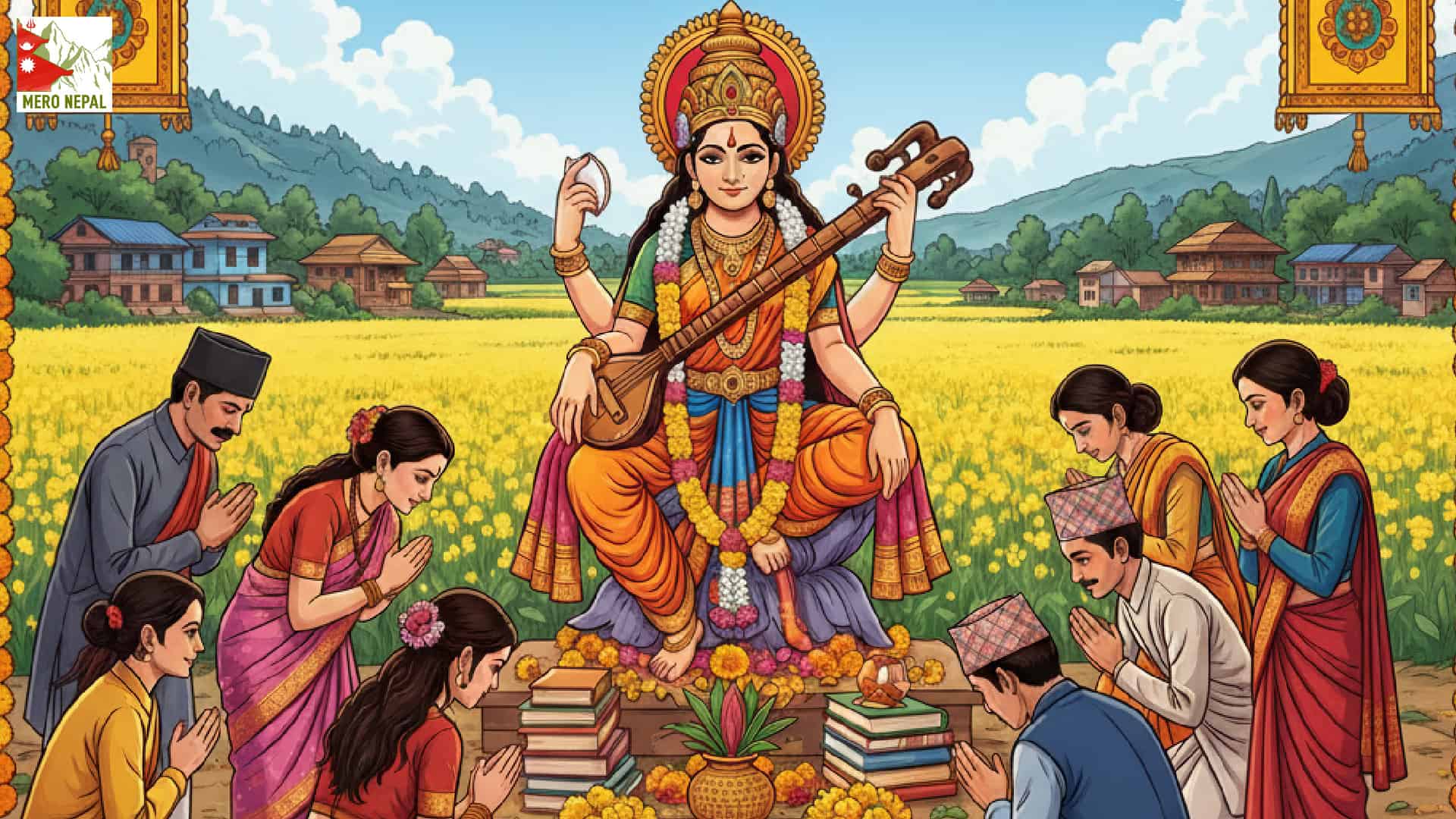
Saraswati Puja and the Beginning of Spring

Saraswati Puja, also known as Vasant Panchami, is one of the most revered festivals in Nepal and across the Indian subcontinent. It is dedicated to Goddess Saraswati, the deity of knowledge, learning, wisdom, art, and culture. The festival usually falls in late January or early February, coinciding with the arrival of spring (Vasant Ritu). Saraswati […]

Continue Reading

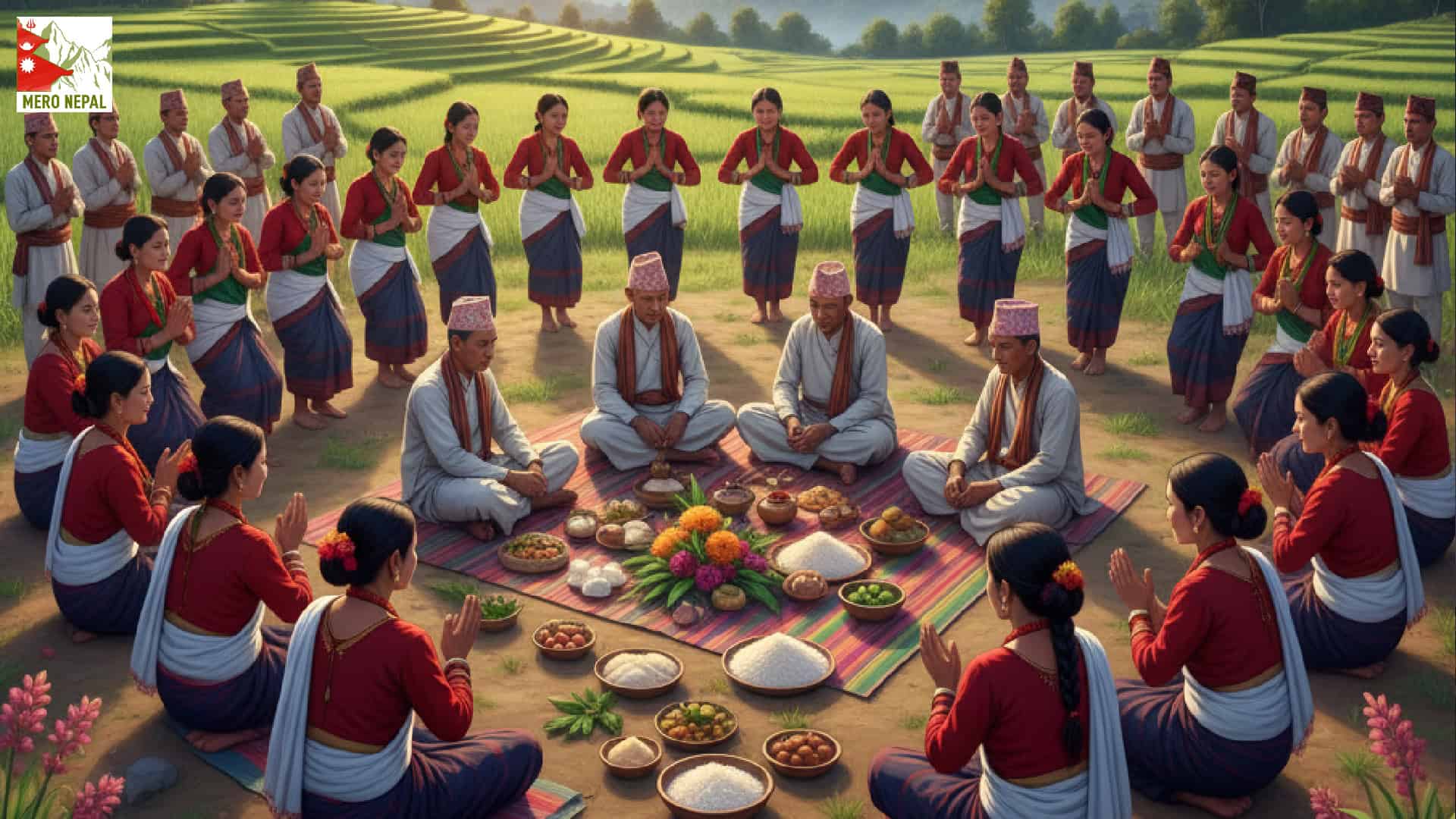
Ubhauli Festival: Kirat Community’s Prayer for Good Harvest

Nepal is a country rich in ethnicity, languages, and diverse cultures. Different communities here continue to preserve and celebrate their unique traditions and festivals. Among them, one of the most significant is the Ubhauli Festival, celebrated by the Kirat community. This festival is deeply tied to faith, culture, and agriculture. Every year, it is observed […]

Continue Reading

Maha Navami: The Religious, Historical, Cultural, and Social Significance of the Ninth Day of Dashain

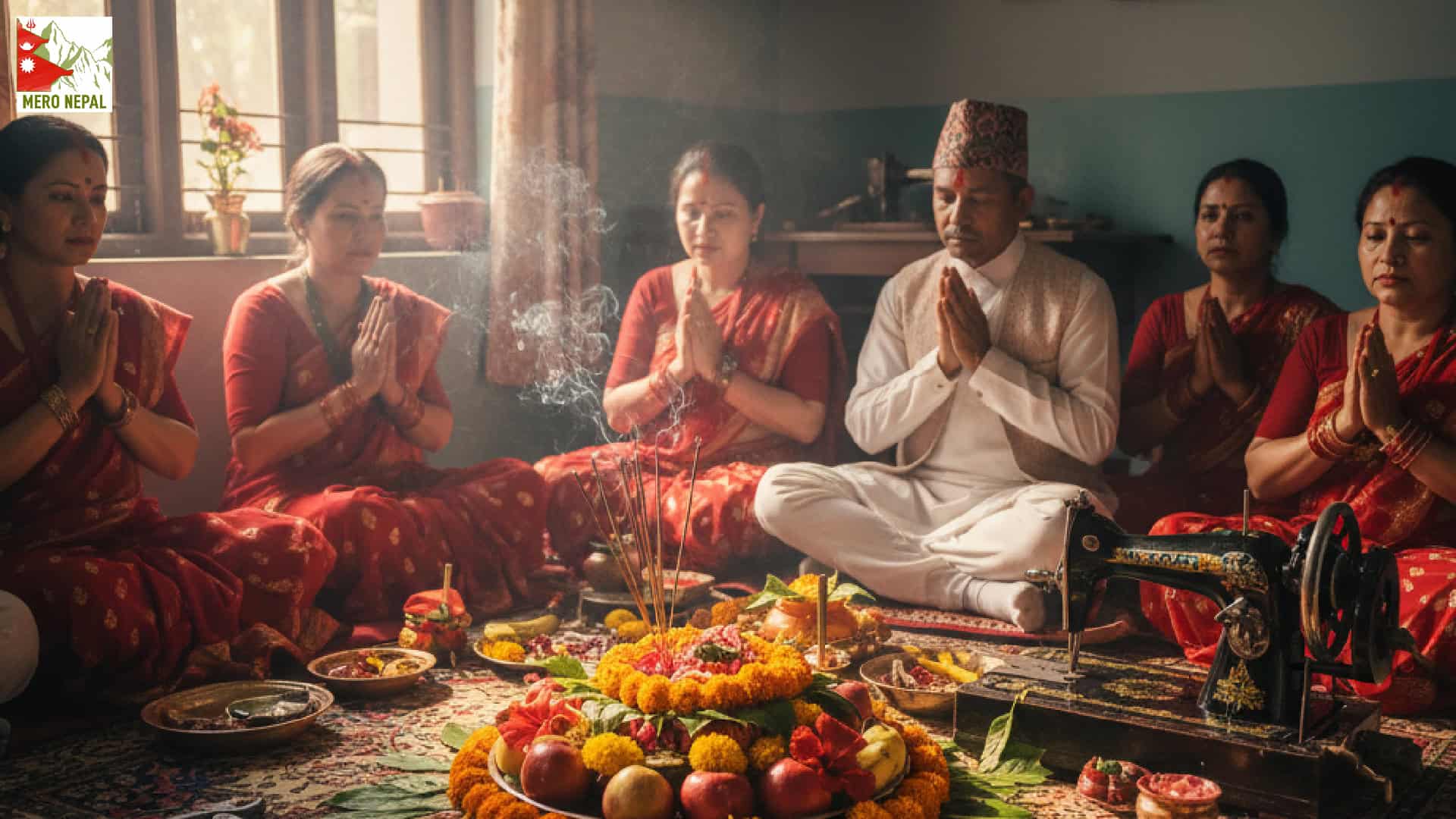
Introduction Maha Navami is the ninth day of the Dashain festival, dedicated to the worship of Vishwakarma and tools, weapons, and machinery. This day symbolizes power, protection, devotion, and prosperity. Households, workplaces, factories, and industrial sites across Nepal perform Vishwakarma Puja. Maha Navami is not only about worshipping deities but also about blessing tools, weapons, […]

Continue Reading

Kojagrat Purnima – The Final Day of Dashain with Lakshmi Puja

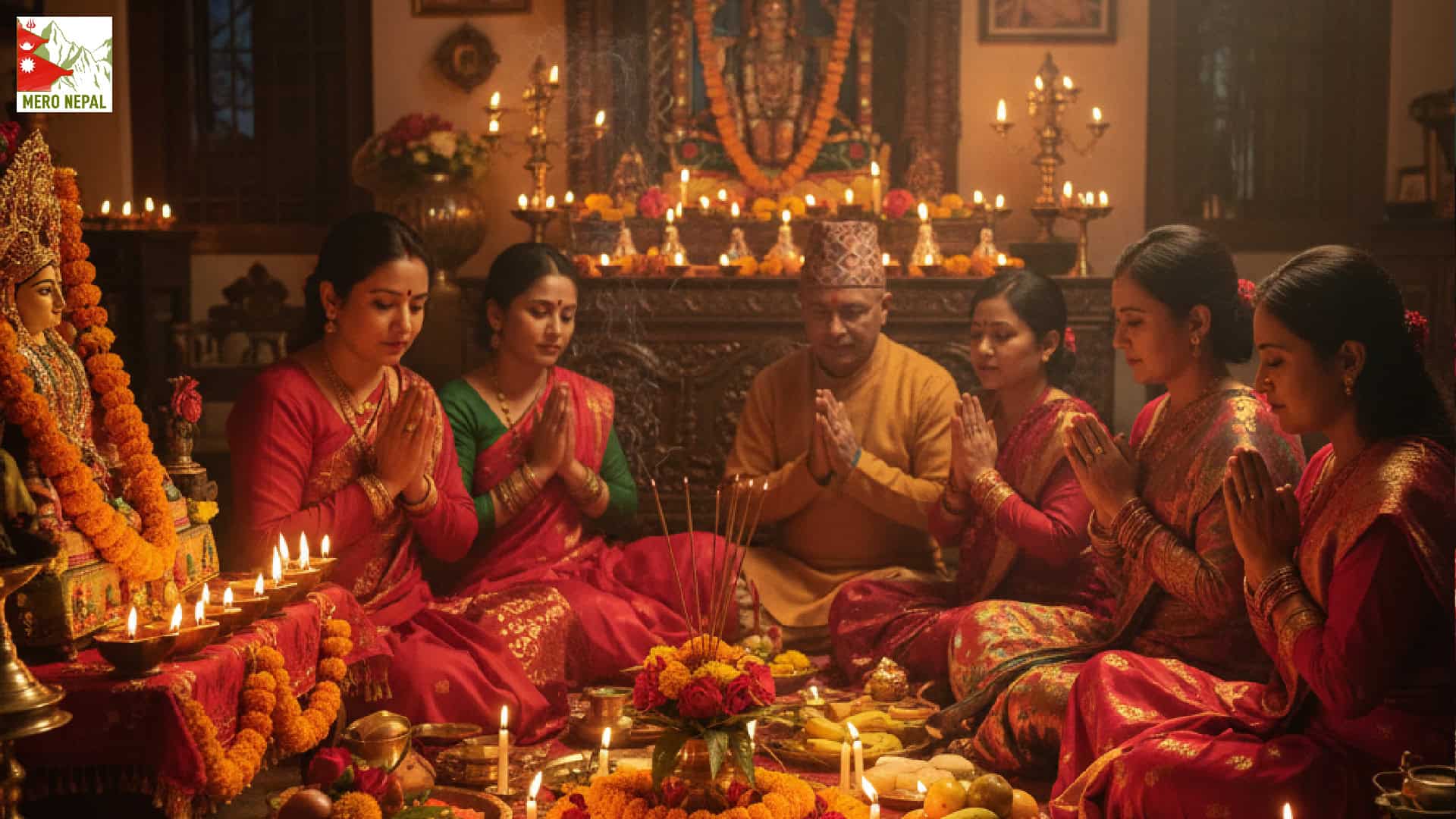
Introduction to Kojagrat Purnima Kojagrat Purnima marks the fifteenth and final day of the grand Dashain festival in Nepal. This full moon day is considered highly auspicious and is associated with the worship of Goddess Lakshmi, the goddess of wealth and prosperity. The word “Kojagrat” means “who is awake,” symbolizing that Goddess Lakshmi blesses the […]

Continue Reading

Phulpati (Phulpati): The Historical, Religious, Cultural, and Social Significance of the Seventh Day of Dashain

Introduction Dashain is Nepal’s biggest festival, celebrated over nine days. Each day is dedicated to worshipping a different form of Goddess Durga. The seventh day, known as Phulpati, holds immense importance not only from a religious perspective but also historically and culturally. On this day, households bring in essential items for worship, including jamara, flowers, […]

Continue Reading