

Maha Shivratri: Significance, Traditions, Sacred Stories, and Spiritual Practices in Nepal

Summary Maha Shivratri, meaning “the Great Night of Shiva,” is one of the most sacred festivals in Hindu tradition. Dedicated to Lord Shiva, it is observed with deep devotion across Nepal and India. The festival symbolizes the union of Shiva and Shakti, spiritual purification, and inner awakening. Through fasting, night-long vigil, prayer, and ritual worship, […]

Continue Reading
The Role of Sacred Rivers in Nepali Religious Traditions: Rituals, Festivals, and Daily Worship

Introduction Nepal is known not only for its mountains, hills, and plains but also as a land enriched by sacred rivers. In Nepali religious traditions, rivers are far more than natural water sources; they are symbols of purity, life, and spiritual continuity. From birth to death, religious rituals, daily worship, festivals, and collective spiritual activities […]

Continue Reading

Guria Parva: Community and Tradition

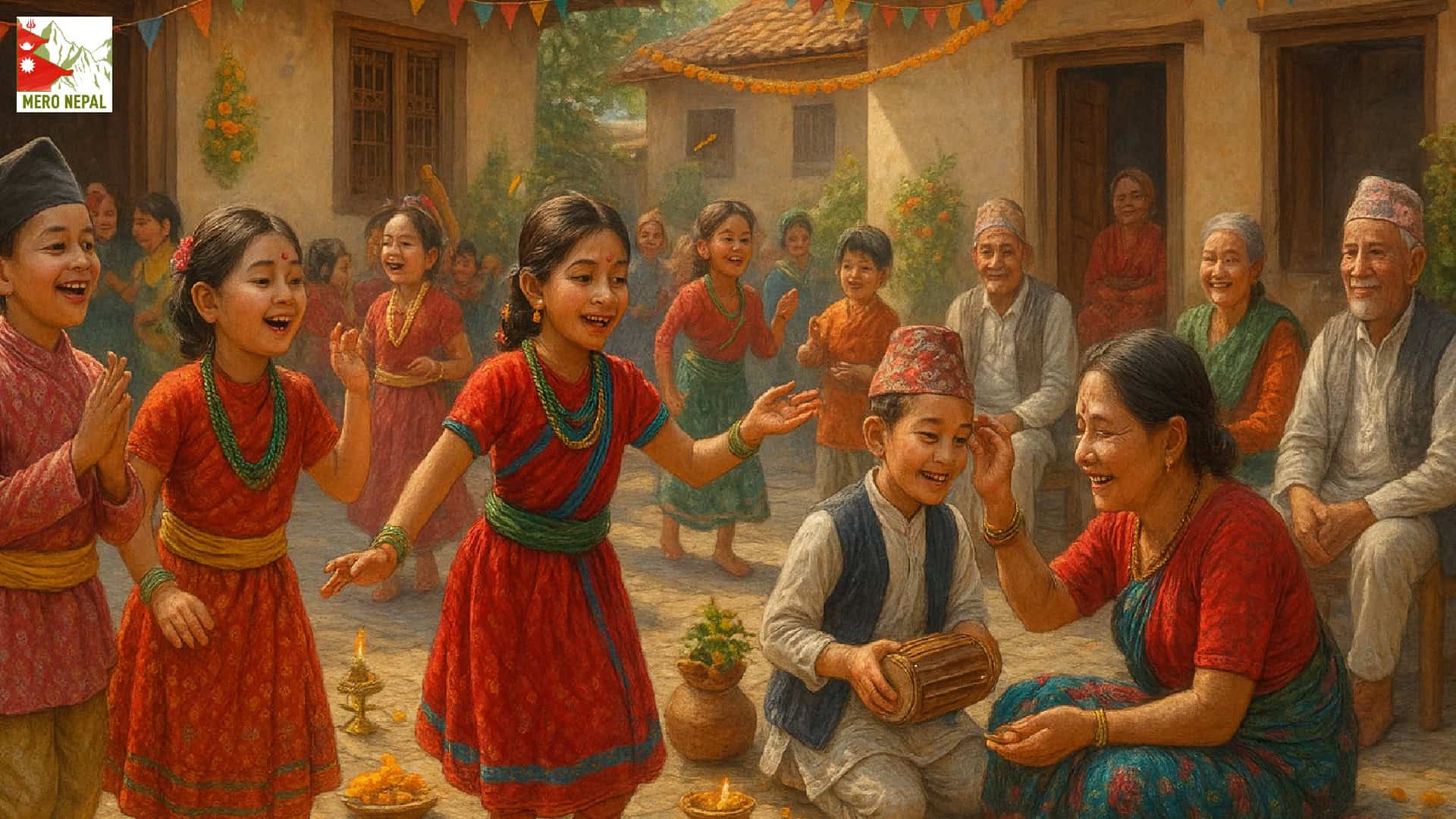
IntroductionGuria Parva is an important cultural festival celebrated by various ethnic communities in Nepal, especially in the Terai and Madhesh regions. This festival primarily focuses on children. Guria Parva promotes social cohesion, cultural identity, and traditional values. The main purpose of the festival is to develop social, cultural, and religious awareness among children. On this […]

Continue Reading

The Importance of Pilgrimage: Self-Purification and Spiritual Awakening

IntroductionPilgrimage is one of the most sacred and ancient practices in Hinduism. It not only provides religious merit but also offers mental peace, social harmony, and spiritual awakening. For individuals exhausted by the stresses of daily life, mental pressure, family responsibilities, and professional challenges, pilgrimage brings new energy, mental relaxation, and an opportunity for self-reflection. […]

Continue Reading

Sanskar and Karma: The Foundation of Hindu Life Philosophy

IntroductionIn Hindu philosophy, Sanskar (refinement of character through rituals and values) and Karma (actions and their consequences) form the foundation of a meaningful and spiritual life. These two principles define the moral, emotional, and spiritual development of a human being. Sanskar shapes one’s thoughts and behavior, while Karma determines one’s destiny through deeds. Together, they […]

Continue Reading

Chaite Dashain: The Spring Festival of Goddess Durga and Its Cultural Significance

IntroductionChaite Dashain, also known as Small Dashain, is one of Nepal’s major Hindu festivals. Celebrated on the Asthami and Navami of the Nepali month Chaitra (March–April), it honors Goddess Durga and symbolizes the triumph of good over evil. Though shorter than the grand Dashain observed in Ashwin, it carries deep spiritual importance and conveys messages […]

Continue Reading

Bisket Jatra: The Unique New Year Festival of Bhaktapur

Introduction Bisket Jatra is one of the most spectacular and culturally rich festivals celebrated in Bhaktapur, Nepal. It marks the Nepali New Year, usually in mid-April, and is renowned for its grand chariot processions, traditional rituals, and vibrant community gatherings. This festival not only welcomes the new year but also showcases Bhaktapur’s living cultural heritage, […]

Continue Reading

Ghode Jatra: The Horse Festival of Kathmandu

Introduction Ghode Jatra is a unique and colorful festival celebrated in Kathmandu, Nepal, usually in March or April. Known as the “Horse Parade Festival,” it combines tradition, folklore, and public entertainment. The festival is primarily held at Tundikhel, a large open ground in Kathmandu, attracting thousands of spectators every year. Ghode Jatra is deeply rooted […]

Continue Reading

Rato Machindranath Jatra: The Grand Chariot Festival of Patan

Rato Machindranath Jatra: The Grand Chariot Festival of Patan Introduction Among the many religious and cultural festivals of the Kathmandu Valley, the Rato Machindranath Jatra is one of the most significant and longest. Known as the “Rain God” or “Bunga Dyo,” Rato Machindranath is regarded as the deity who blesses the valley with rainfall, ensuring […]

Continue Reading

Govardhan Puja: Honoring Oxen in Nepali Culture

Introduction The fourth day of Tihar, known as Govardhan Puja, is dedicated to honoring oxen, which have played an indispensable role in Nepalese agriculture for centuries. While cows were worshipped on the third day, oxen are recognized for their strength, diligence, and contribution to farming, which sustains families and communities across rural Nepal. Govardhan Puja […]

Continue Reading