Introduction
Surya Sankranti comes from the Sanskrit word Sankramana, meaning the entry of the Sun from one zodiac sign to another. In Nepal, every monthly Sankranti carries special significance. It is not only religious but also deeply connected with astrology, health, agriculture, and social life.
Surya Sankranti is celebrated in Nepal with family and community ties. Each Sankranti is believed to influence human thoughts, lifestyle, food habits, and behavior. Therefore, Surya Sankranti is not merely an astronomical event but also a time-marker that guides human life.
Religious and Cultural Significance
1. Holy Bath and Charity
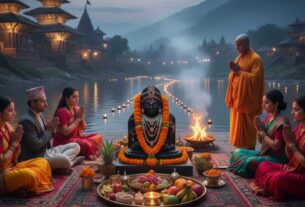
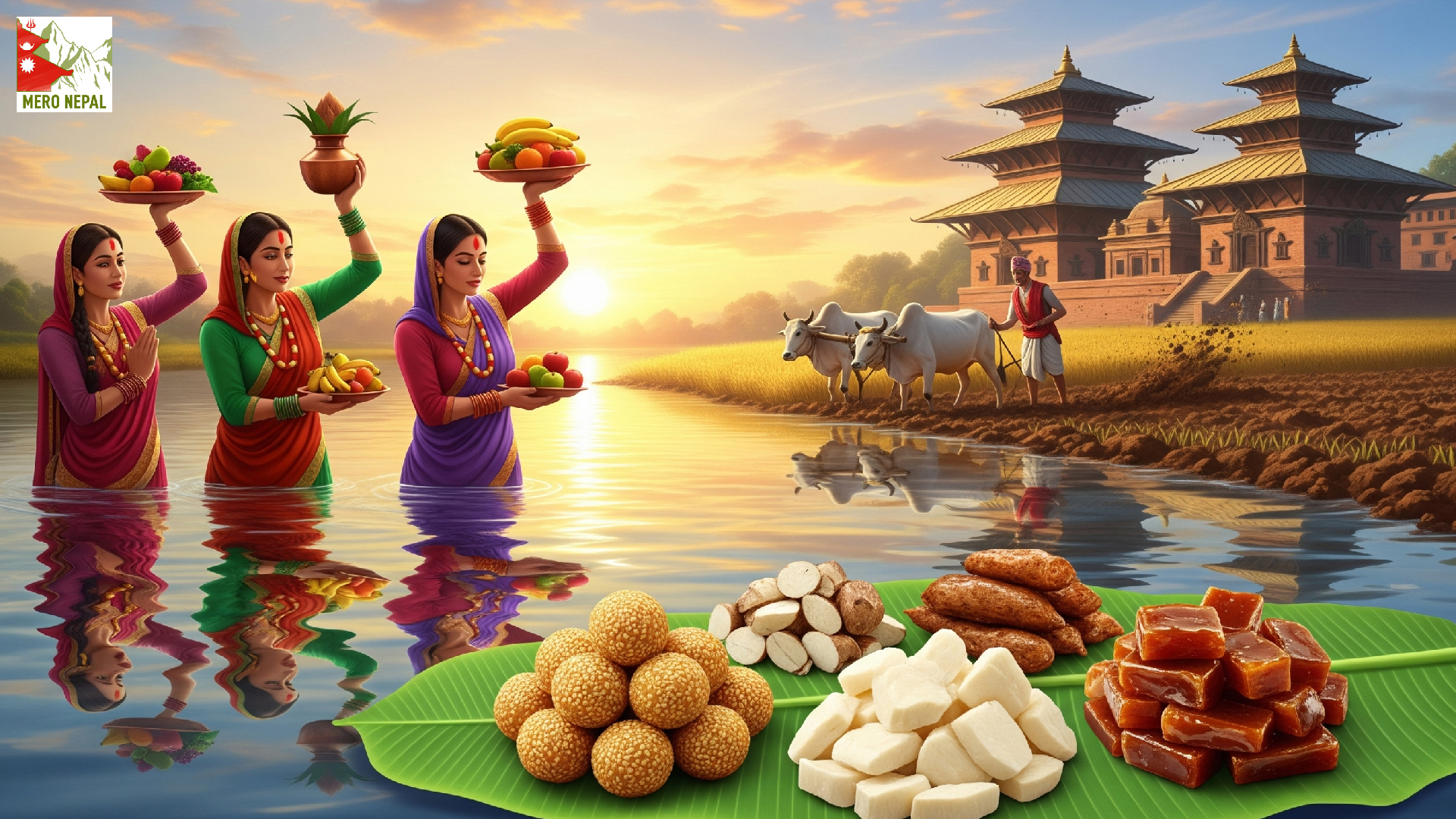
On Surya Sankranti day, people wake up early and bathe in rivers, ponds, or sacred water bodies. This is considered a symbol of purification and liberation from sins.
Charity performed on this day is considered highly rewarding, with traditions of donating food grains, clothes, salt, and oil.
2. Worship and Rituals
Special prayers are offered to the Sun God and other deities.
In many regions, people observe fasting, light lamps, and visit temples on Surya Sankranti.
3. Fairs and Festivals
Surya Sankranti is associated with village fairs and gatherings.
Notable celebrations include Maghe Sankranti, Ghode Jatra, and Gai Jatra.
4. Food and Traditions
Special dishes are prepared during Surya Sankranti.
During Maghe Sankranti, people eat sesame seeds, molasses, clarified butter, and yam, which provide energy in the cold season.
Astrological Influence
Surya Sankranti is considered a turning point in time.
When the Sun enters a new zodiac sign, it has a direct impact on individuals’ horoscopes.
Surya Sankranti plays an important role in determining auspicious timings (muhurtas) for marriage, housewarming, land purchase, or starting new ventures.
Some Sankrantis are considered inauspicious, while others are taken as highly auspicious occasions.
Impact on Health and Lifestyle
Surya Sankranti also brings seasonal changes.
In winter Sankrantis, eating warm and nutritious food is common, which strengthens immunity.
In the rainy season, Sankranti is linked with agriculture, requiring physical labor that influences health.
Practices like bathing, yoga, meditation, and eating pure food on Surya Sankranti are believed to promote mental peace and physical vitality.
Impact on Agriculture and Climate
Surya Sankranti is closely tied to agrarian life.
Asar Sankranti is related to paddy plantation, while Maghe Sankranti is connected to the harvest season.
The movement of the Sun determines cycles of monsoon, winter, and summer, directly influencing farming and production.
Farmers consider Surya Sankranti a seasonal message and align their agricultural work accordingly.
Social and Family Importance
Surya Sankranti serves as an opportunity for families to gather, meet, and strengthen relationships.
In villages, fairs and feasts during Sankranti reflect unity and togetherness.
It is also a time to remember ancestors and traditions.
Conclusion
Surya Sankranti is not just an astronomical event. It is a vital festival that balances religious, astrological, health, agricultural, and social aspects of life. It teaches people to live in harmony with nature and respect the significance of time.