Introduction
Buddha Jayanti is celebrated every year on the full moon day of Vaisakh in Nepal and other countries that follow Buddhism. This day commemorates the birth, enlightenment, and nirvana of Gautama Buddha. In Nepal, major celebrations take place in Lumbini, Kapilvastu, and other Buddhist sites, where special programs and rituals are organized.
Buddha Jayanti is not just a religious festival; it aims to promote peace, compassion, tolerance, and moral values in society. Schools, temples, Buddhist organizations, and communities actively participate in various programs on this occasion.
Religious and Cultural Significance
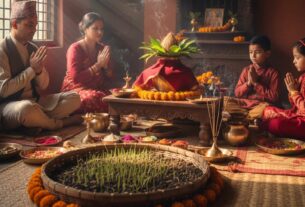
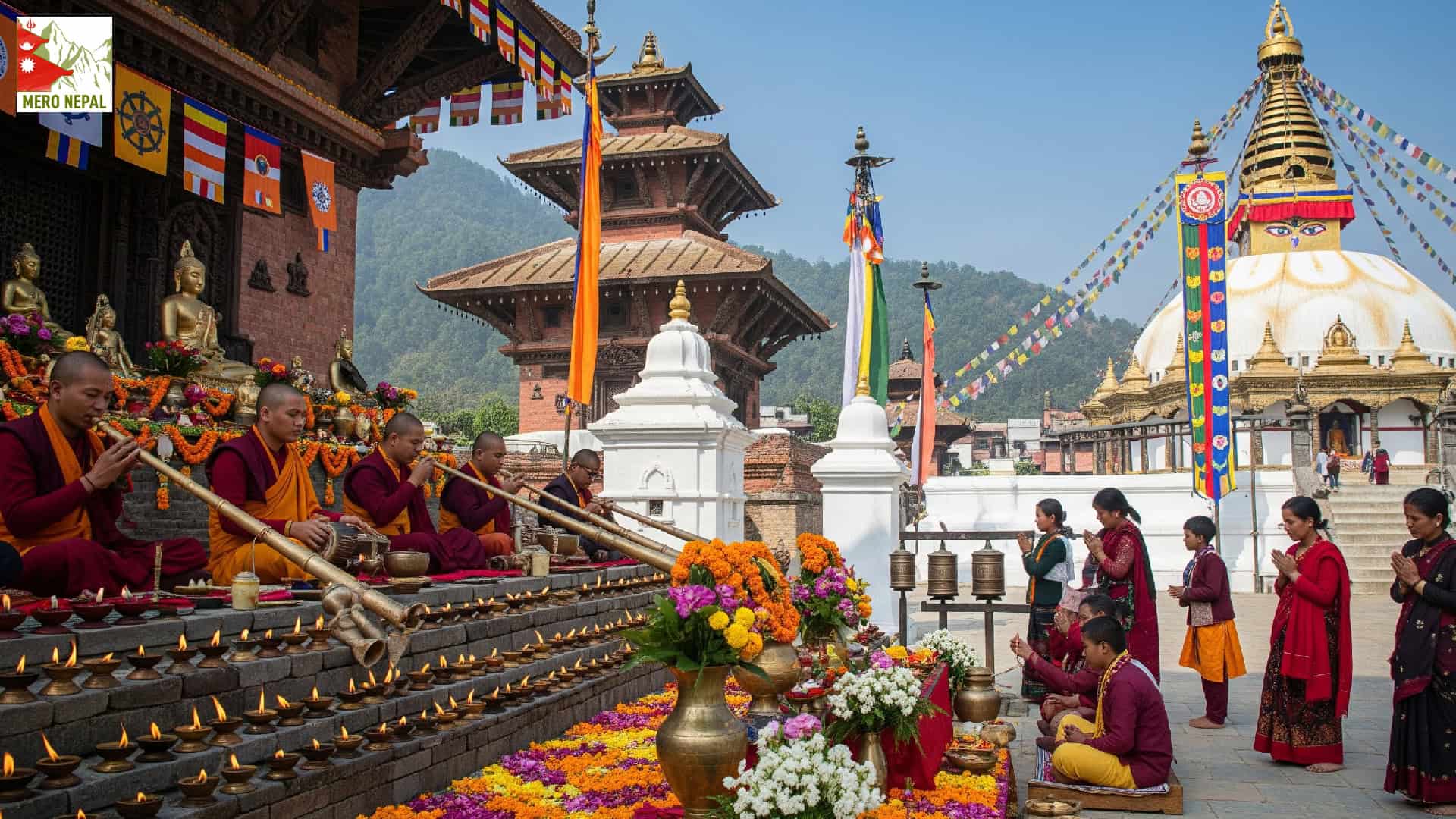
Worship and Rituals: Special prayers, pujas, and chanting are performed at Buddhist monasteries and temples.
Dharma Talks and Discourses: Buddhist teachers and monks deliver teachings emphasizing compassion, peace, and wisdom in daily life.
Offering Lamps and Mala Ceremonies: Devotees offer lamps, garlands, and ritual items to earn merit and spiritual blessings.
Social and Educational Importance
Schools and universities organize programs on Buddhism, peace, and tolerance.
Activities for children focus on compassion, self-empowerment, and moral education.
Social awareness campaigns address issues such as violence prevention and environmental protection.
Traditions and Celebrations
Special fairs and gatherings are held at Lumbini, Kapilvastu, Swayambhu, and other Buddhist stupas.
Devotees participate in prayer, ceremonial walks, and musical or cultural programs.
Buddhist literature, paintings, and cultural performances are showcased.
Conclusion
Buddha Jayanti is not merely a birthday celebration; it symbolizes peace, compassion, and moral values. The festival inspires people to lead peaceful, compassionate, and tolerant lives. In Nepal, Buddha Jayanti enriches religious, cultural, and social life while reinforcing Buddhist teachings.
Mero Nepal App