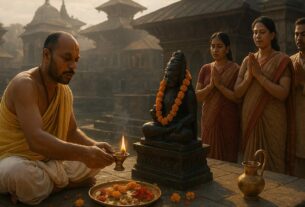
Bala Chaturdashi is an important Hindu festival celebrated in Nepal and parts of India. It is dedicated to honoring ancestors and ensuring peace for their souls. Among Nepali Hindus, Bala Chaturdashi holds deep religious, spiritual, and cultural significance. Its connection with Pashupatinath Temple, one of the most sacred Shiva shrines, makes it even more special, as thousands of devotees perform rituals there.
In today’s digital age, Nepalis living abroad or those with busy lifestyles can also participate in Bala Chaturdashi rituals through mobile apps and online platforms.
When is Bala Chaturdashi Observed?
Bala Chaturdashi falls on the 14th day of the Krishna Paksha (waning moon) in the month of Kartik (October–November).
The date varies every year according to the lunar calendar.
The festival is mainly observed in the Kathmandu Valley, but it is also celebrated in other parts of Nepal.
Traditional Rituals
The main purpose of Bala Chaturdashi is to honor ancestors and bring peace to their souls. Key practices include:
Lighting Oil Lamps (Diyas)
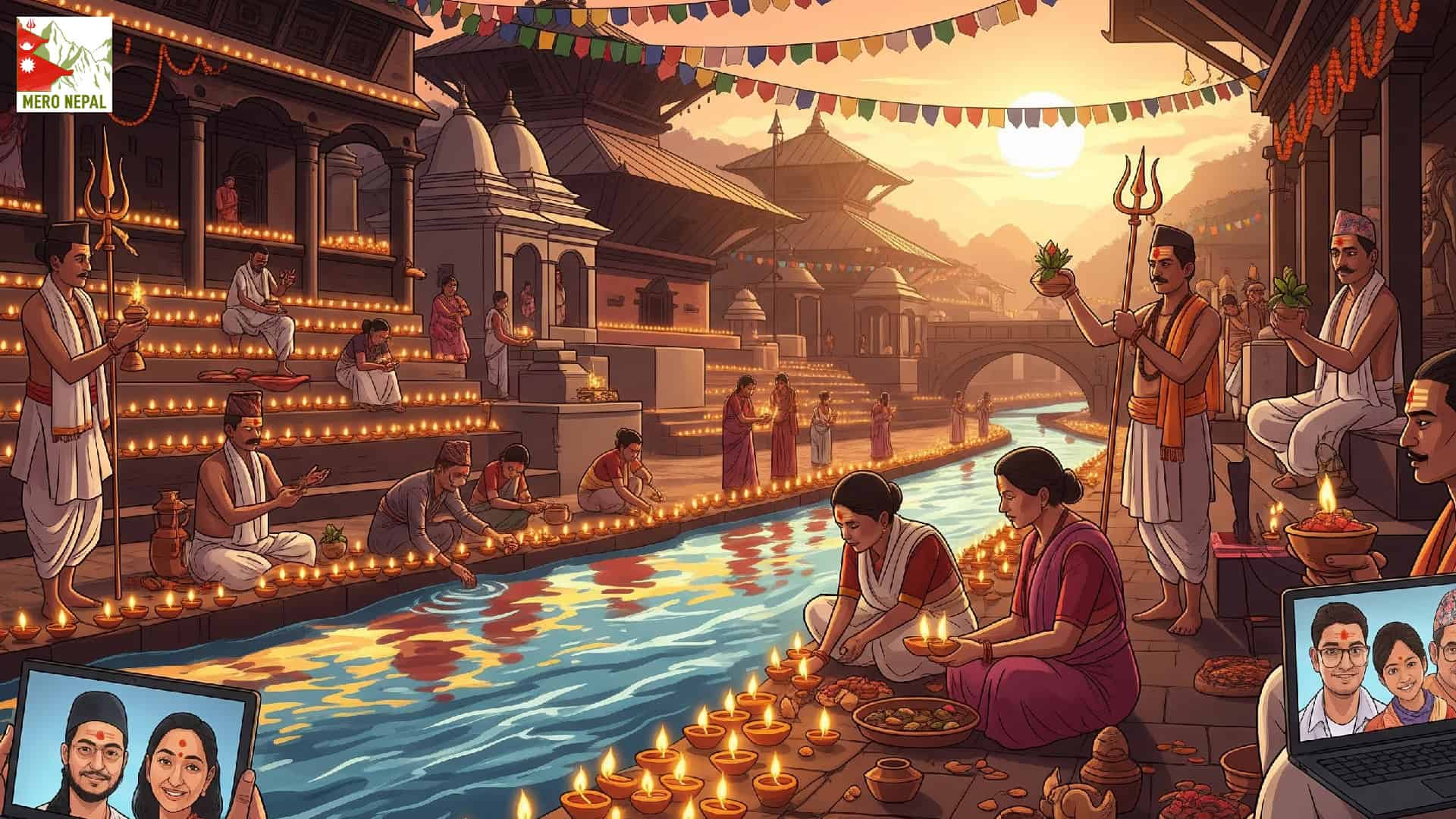
Small lamps are lit at homes, temples, and riverbanks.
Lamps symbolize guiding ancestral souls.
Pind Daan and Offerings
Rice balls (pindas), sesame seeds, and black cloth are offered.
Rituals are performed at riverbanks or temples under the guidance of priests.
Bathing in Holy Rivers
Devotees take ritual baths in sacred rivers before starting puja.
Visiting Pashupatinath Temple
Kathmandu’s Pashupatinath is the main center for Bala Chaturdashi rituals.
Priests perform Pind Daan, chant mantras, and guide families in the ceremony.
Hundreds of oil lamps illuminate the Bagmati river ghats, creating a spiritual ambiance.
Chanting Mantras and Prayers
Recitation of Gayatri Mantra, Mahamrityunjaya Mantra, or other specific hymns.
Families often perform collective chanting and prayers.
Cultural and Spiritual Significance
Bala Chaturdashi emphasizes respect for ancestors and the importance of family bonds.
Lighting lamps and offering pindas provide peace to departed souls.
The festival also acts as a preparation for Tihar and other cultural celebrations.
Collective rituals help preserve cultural heritage and strengthen community ties.
Modern Practices and Online Access
Many families now stream the rituals online for relatives living abroad.
Mobile apps and temple websites provide guidance for Pind Daan bookings, rituals, and auspicious timings.
Digital access complements traditional practices, making it easier for devotees to participate from home.
App Spotlight: Mero Nepal
For those who want to observe Bala Chaturdashi conveniently, Mero Nepal app offers:
Festival Reminders – Never miss an important puja or fast.
Online Puja Booking – Connect with priests for live online ceremonies.
Astrology and Horoscope – Personalized daily and monthly forecasts.
Temple Information – Details of major temples and religious sites.
Cultural Updates – Information about festivals, rituals, and events in Nepal and abroad.
👉 Download here: Mero Nepal App
Through this app, devotees can participate in Bala Chaturdashi rituals from home, follow ancestral traditions, and maintain their devotion.
Conclusion
Bala Chaturdashi is not just a ritual; it is a cultural and spiritual bridge between the living and the departed. Its connection with Pashupatinath Temple enhances its religious importance. Whether performed traditionally or via digital platforms, Bala Chaturdashi remains a festival of devotion, respect, and ancestral reverence.