Introduction
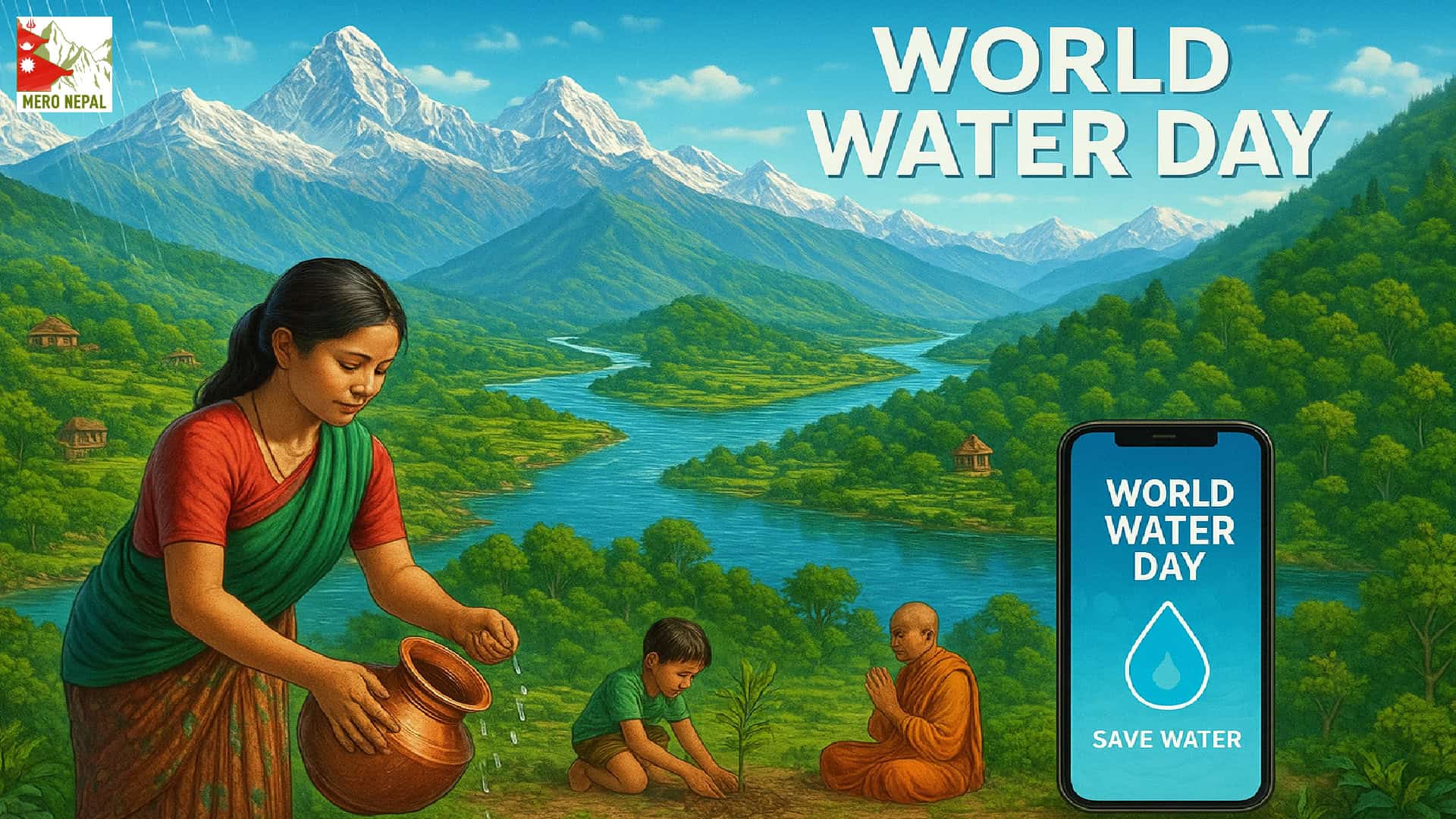
World Water Day is observed every year on March 22. Established by the United Nations in 1993, this day aims to raise global awareness about the importance of water and the need for its sustainable management. It reminds everyone that water is not just a natural resource but a fundamental element of life. Without proper water management, human civilization, the environment, agriculture, and economic development are all at risk.
Water and Its Relationship with Life
Approximately 60% of the human body is made up of water. In newborns, this proportion is even higher, around 75%. Every organ—brain, blood, heart, muscles, and skin—requires sufficient water to function properly.
In blood: About 90% water, transporting oxygen and nutrients throughout the body.
In the brain: Around 75% water, critical for concentration and cognitive function.
In the digestive system: Water aids in digestion and absorption of nutrients.
Lack of water can directly affect health, causing fatigue, skin issues, and cognitive imbalances.
Nepal and Its Water Resources
Nepal is one of the richest countries in water resources. Thousands of rivers, streams, and lakes originating in the Himalayas give the country the title of a “water-power nation.”
Major rivers—Koshi, Gandaki, Karnali, and Mahakali—flow from the mountains through the hills and Terai region into India. These rivers contribute to:
Hydroelectricity generation,
Agricultural irrigation,
Fisheries,
And maintaining ecological balance.
Famous lakes—Phewa, Begnas, Rara, Gosainkunda, Tilicho—offer not only natural beauty and tourism potential but also significant cultural and religious importance. Thousands of pilgrims and tourists visit these sites annually.
However, rapid urbanization, poor waste management, encroachment along riverbanks, and climate change have put these natural resources at risk. Waste, chemicals, and plastics are polluting rivers and lakes.
Main Causes of Water Crisis in Nepal
Population growth increasing demand for drinking and irrigation water.
Climate change causing irregular rainfall, drought, and glacial melt.
Encroachment of rivers and lakes by buildings and industries, disrupting natural water flow.
Policy gaps and lack of long-term water resource management.
Impact of Water Pollution
Polluted water directly affects human health, soil, and wildlife. Drinking contaminated water spreads diseases like cholera, typhoid, and other digestive disorders. Chemical pollution in rivers and lakes kills fish and disrupts ecological balance.
Measures for Water Conservation
Tree plantation: Planting trees along riverbanks and hilly regions helps replenish water sources.
Rainwater harvesting: Collecting rainwater at homes and schools for reuse.
Waste management: Prevent dumping plastics and waste into rivers and lakes.
Smart technology: Using modern water recycling, smart irrigation, and groundwater recharge systems.
Community awareness: Organizing awareness programs in villages and schools to develop water conservation habits.
Policy reforms: Government must implement strict water resource protection policies and pollution control laws.
Cultural and Religious Perspective
In Nepal, water is considered sacred. Bathing or offering prayers in rivers like Bagmati, Gosainkunda, and Gandaki is a symbol of spiritual purification. Ancient texts and scriptures also describe water as “life-giving” and “divine power.”
Role of Technology in Water Conservation
Smart sensor systems: Monitor water levels and pollution.
Data-driven planning: Develop policies based on accurate water usage statistics.
Recycling systems: Make used water reusable.
These technologies are particularly valuable for a water-rich but management-challenged country like Nepal.
Mero Nepal App: Bridging Technology and Community
Water conservation is no longer just a discussion—it can be a practical effort. The “Mero Nepal” app allows citizens to participate actively in water conservation.
This app bridges technology and society to make water conservation actionable.
Download the “Mero Nepal” app today and join the effort to save water.
Green Nepal, Clean Water, Bright Future.
Conclusion
World Water Day reminds us that every drop of water is precious. Protecting rivers, lakes, and water sources is a responsibility for future generations. By conserving water, preventing pollution, and caring for local water resources, citizens can ensure sustainable water supply and ecological balance in Nepal.