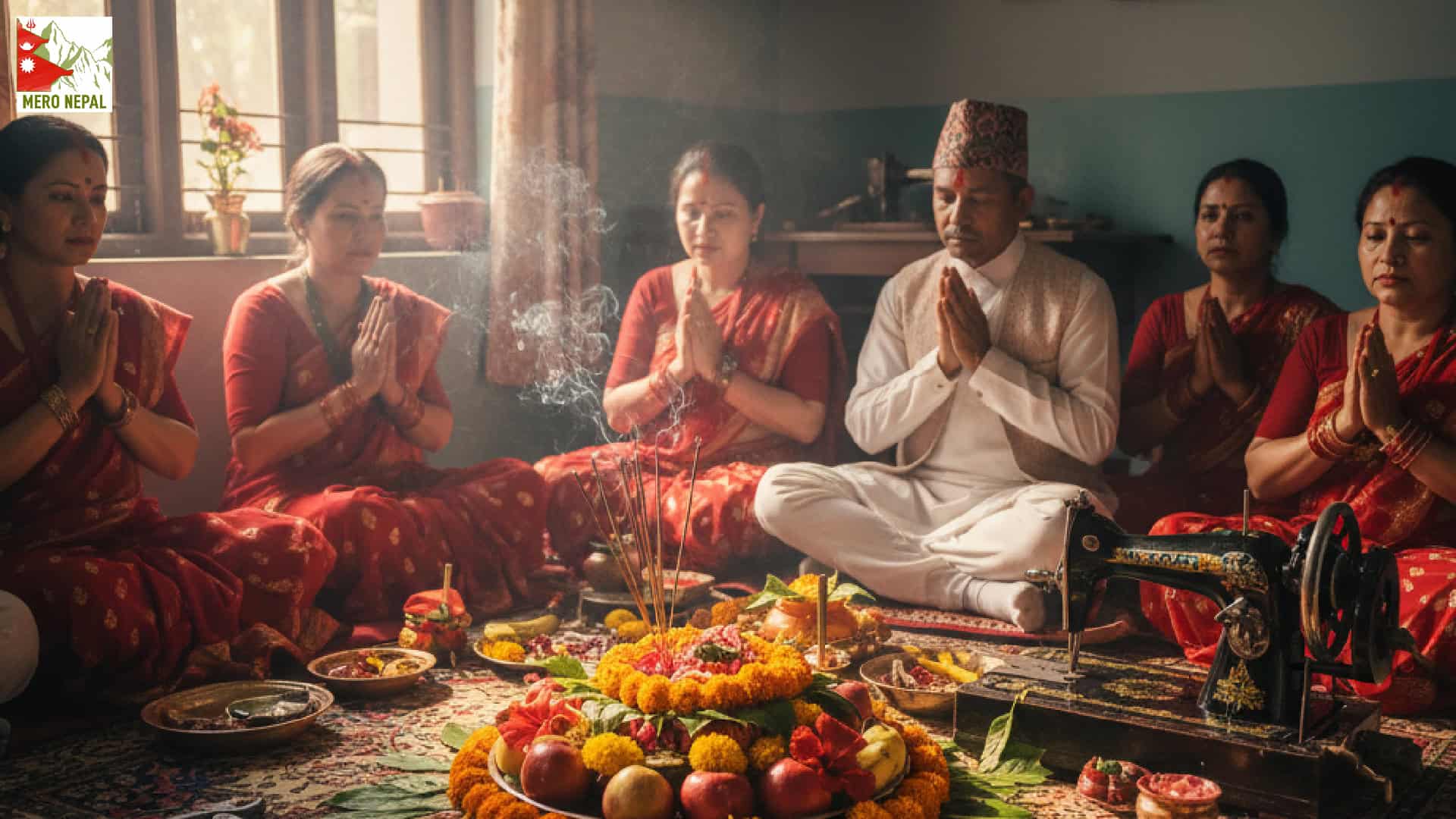
Maha Navami: The Religious, Historical, Cultural, and Social Significance of the Ninth Day of Dashain

Introduction Maha Navami is the ninth day of the Dashain festival, dedicated to the worship of Vishwakarma and tools, weapons, and machinery. This day symbolizes power, protection, devotion, and prosperity. Households, workplaces, factories, and industrial sites across Nepal perform Vishwakarma Puja. Maha Navami is not only about worshipping deities but also about blessing tools, weapons, […]

Continue Reading
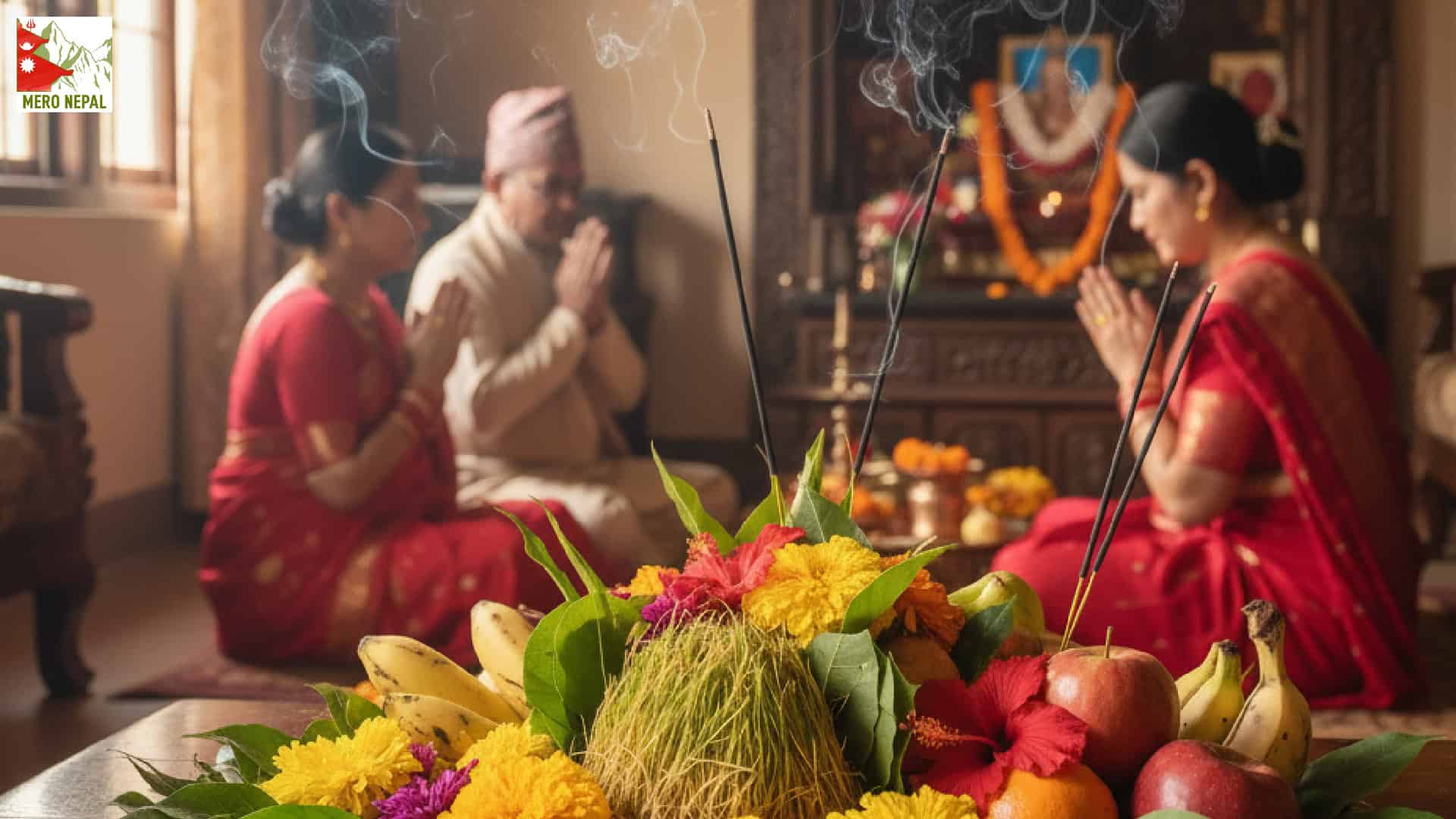
Phulpati (Phulpati): The Historical, Religious, Cultural, and Social Significance of the Seventh Day of Dashain

Introduction Dashain is Nepal’s biggest festival, celebrated over nine days. Each day is dedicated to worshipping a different form of Goddess Durga. The seventh day, known as Phulpati, holds immense importance not only from a religious perspective but also historically and culturally. On this day, households bring in essential items for worship, including jamara, flowers, […]

Continue Reading

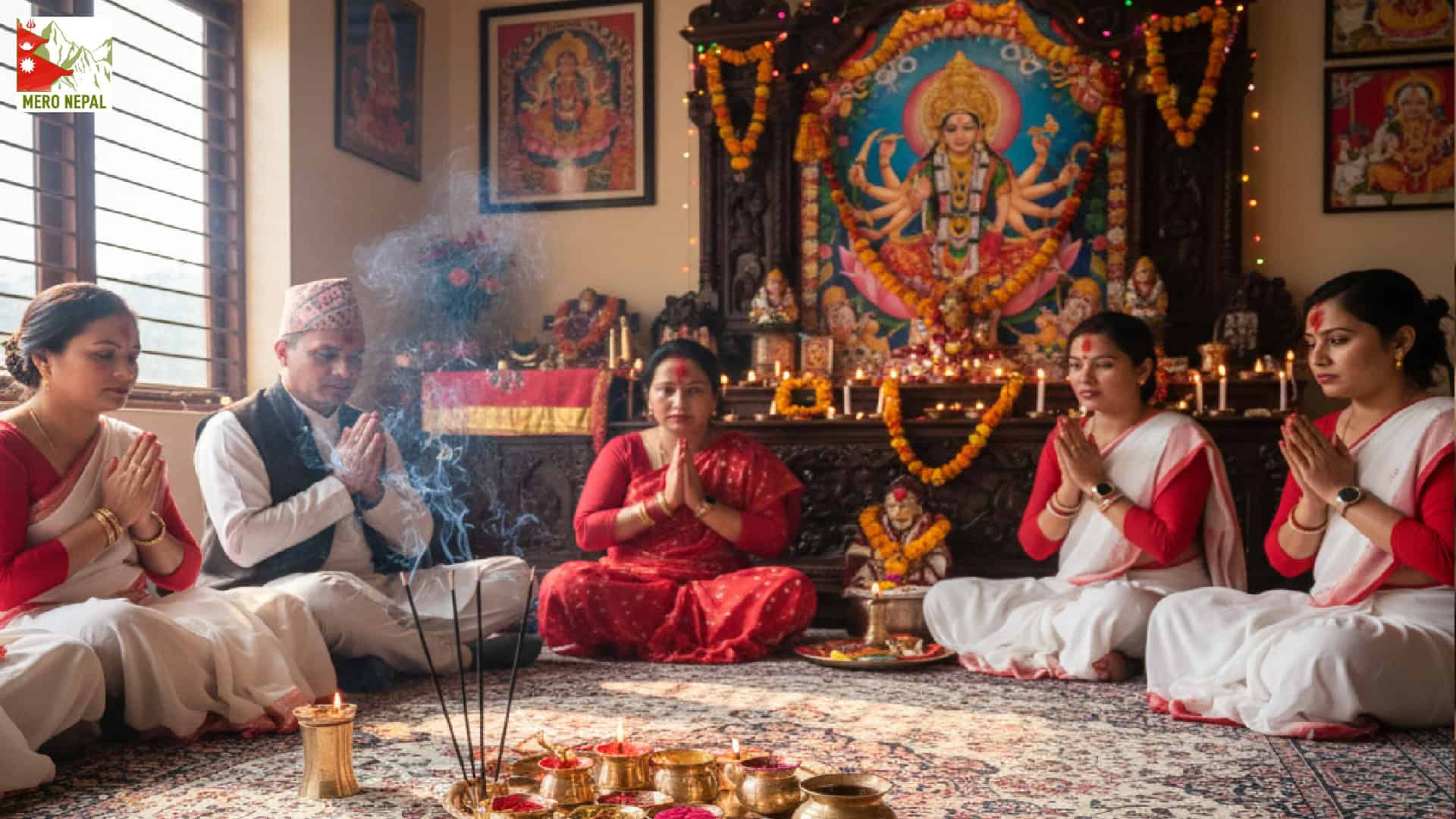
Maha Ashtami: The Religious, Historical, Cultural, and Social Significance of the Eighth Day of Dashain

Introduction Maha Ashtami is the eighth day of the Dashain festival, dedicated to worshipping Goddess Durga Bhawani. This day symbolizes power, devotion, and religious rituals. On Maha Ashtami, households prepare special items for worship, including jamara, flowers, bel leaves, incense, fruits, and grains. The day is believed to remove negative energies, bring positive energy, and […]

Continue Reading

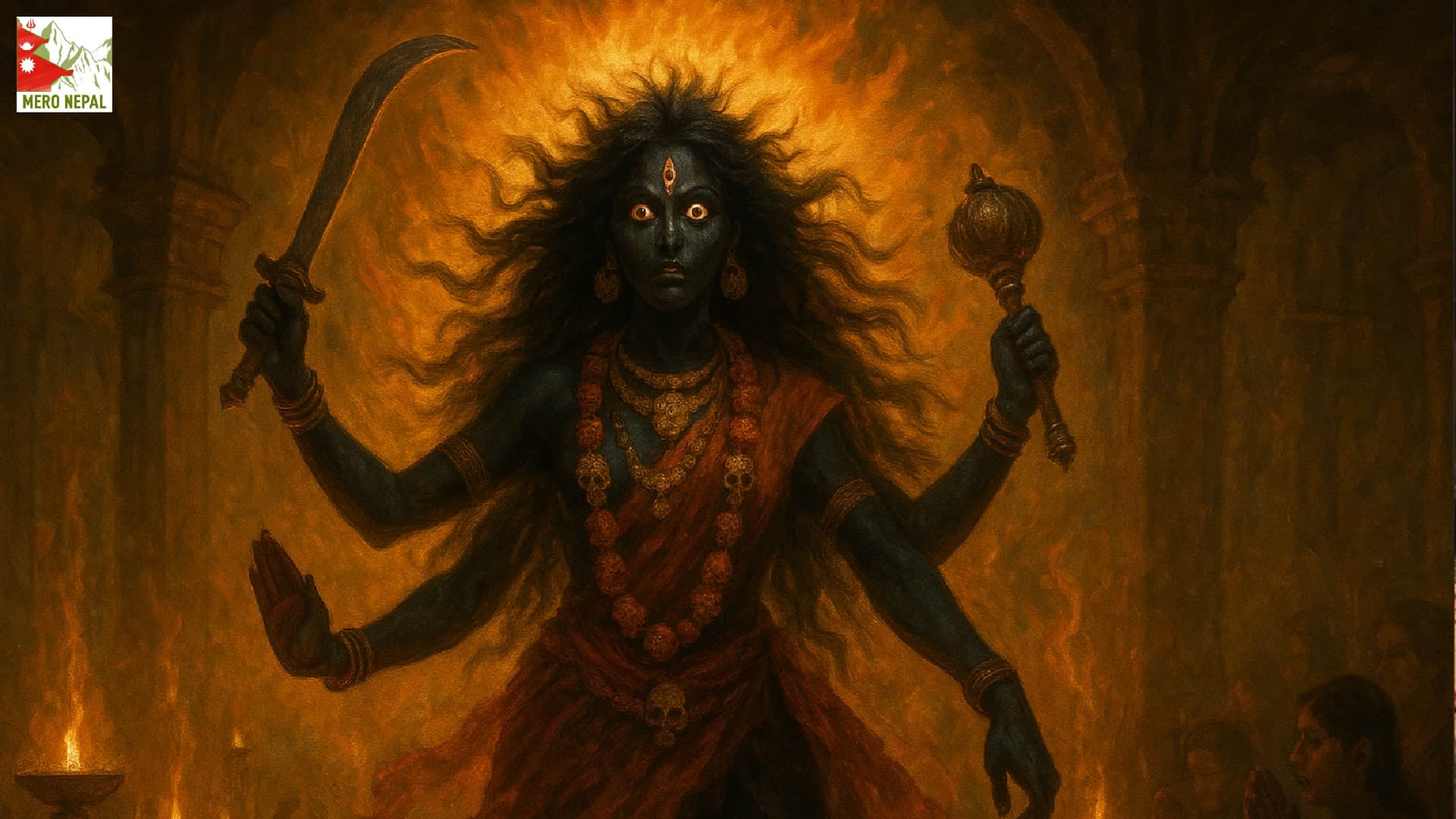
Kalaratri: Goddess of Navaratri Saptami

On the seventh day of Navaratri, known as Saptami, devotees worship the seventh form of Goddess Durga – Kalaratri. She is considered the most fierce and powerful manifestation of Durga. Through her worship, devotees pray for the destruction of fear, darkness, and negative energies. The Appearance of Kalaratri The form of Goddess Kalaratri is extremely […]

Continue Reading