

Tihar Festival in Nepal: Significance, Stories, and Traditional Practices

Introduction Tihar, also known as Deepawali or Yamapanchak, is a five-day Hindu festival celebrated across Nepal. The festival honors family, animals, deities, and social bonds. Its main themes are light, love, wealth and prosperity (Lakshmi), and sibling relationships (Bhai Tika). During Tihar, homes are cleaned, decorated, and illuminated with oil lamps. The festival strengthens social […]

Continue Reading
Dashain: Complete Celebration Guide, Tika, and Jamara Rituals

Part 1: Introduction – Nepal’s Grand Festival Dashain is Nepal’s longest and most important Hindu festival, symbolizing the victory of good over evil. Spanning 15 days, it honors Goddess Durga and strengthens family and community bonds through rituals, prayers, and celebrations. Tip for Devotees: Use the Mero Nepal app for Dashain reminders, Tika and Jamara […]

Continue Reading

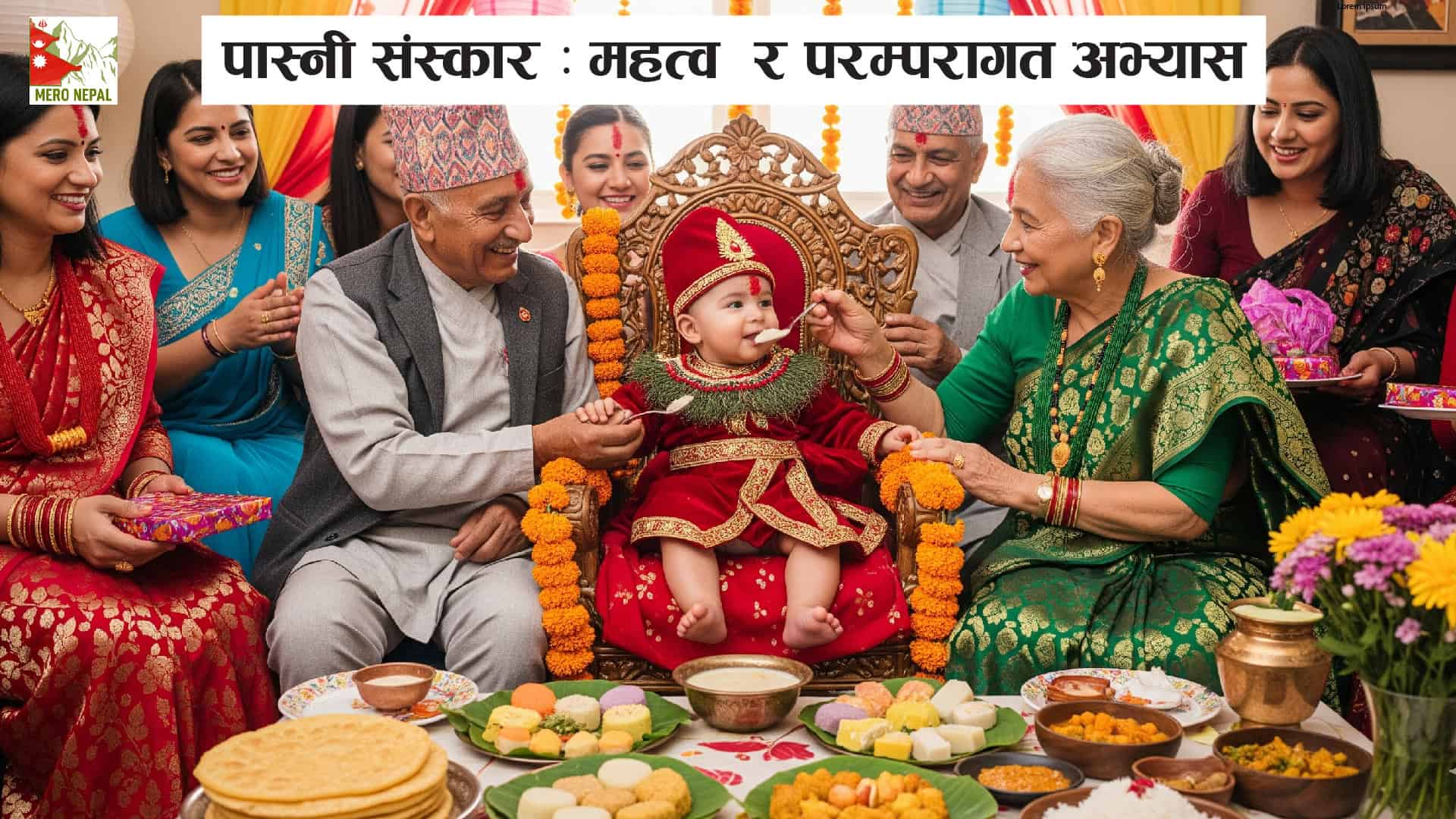
Pasni Ceremony: Significance and Traditional Practices

Introduction Pasni, also known as the Rice Feeding Ceremony, is one of the most important cultural traditions in Nepal. It is the celebration where a baby is fed rice for the first time, symbolizing the transition from milk to solid food. This special occasion brings together family, relatives, and friends to bless the child with […]

Continue Reading

Akshaya Tritiya: Importance, Rituals, and Benefits

Introduction In Vedic Hindu tradition, Akshaya Tritiya is considered one of the most auspicious dates in the Hindu calendar. It is believed that any virtuous deed, charity, chanting, penance, or worship performed on this day yields “Akshaya Phal” – everlasting merit that never diminishes.On this day, performing rituals related to wealth, prosperity, and marital harmony […]

Continue Reading

Saptarishi Puja: A Complete Guide to Rituals, Benefits, and Spiritual Significance

1. Introduction In the vast ocean of Vedic Sanatana Dharma, the role of the Rishis has always been central. They were not just sages who lived in forests; they were visionaries, philosophers, scientists, teachers, and seers of eternal truth. Among these, the Saptarishis—Bhrigu, Atri, Vashistha, Vishwamitra, Kashyapa, Gautama, and Jamadagni—occupy a unique and exalted place. […]

Continue Reading

Herbs and Spices Used in Havan: Scientific and Religious Significance

Introduction In the Vedic tradition of Nepal and India, Havan (Yajna, Homa, Agnihotra) is not merely a religious ritual but a union of life, science, and spirituality. When ghee, wood, herbs, and spices are offered into the sacred fire with mantras, the smoke, fragrance, and sound vibrations purify the environment, nourish the body, and calm […]

Continue Reading

Comprehensive Analysis of Astrological Predictions: Detailed Study of Planets, Zodiac Signs, Nakshatras, and Horoscope Charts

Part 1: The Pillars of Astrology Astrology, often called the “eye of the Vedas,” is a profound science that studies the movement of celestial bodies in the universe and their effects on human life. Predictions or forecasting are the most important and complex aspects of this science. A successful prediction does not rely merely on […]

Continue Reading

Kushe Aunsi: A Three-Dimensional Festival of Fatherhood, Ancestor Remembrance, and Nature

Part 1: Introduction – Three Lights Shining in the Darkness of Aunsi Kushe Aunsi falls on the Krishna Paksha (waning moon) of the month of Bhadra. On this day, the absence of the moon casts a deep darkness over the earth. Yet, in the sky of Nepali culture and tradition, this day is not an […]

Continue Reading

Janai Purnima: The Trinity of Purity, Protection, and Tradition

Introduction: An Overview of the Festival In the Nepali Hindu calendar, Janai Purnima is recognized as a significant and multi-dimensional festival that weaves together deep Vedic traditions and vibrant folk culture. Celebrated on the full moon (Purnima) of the Shukla Paksha in the month of Shrawan, this festival is not merely a religious ritual—it is […]

Continue Reading