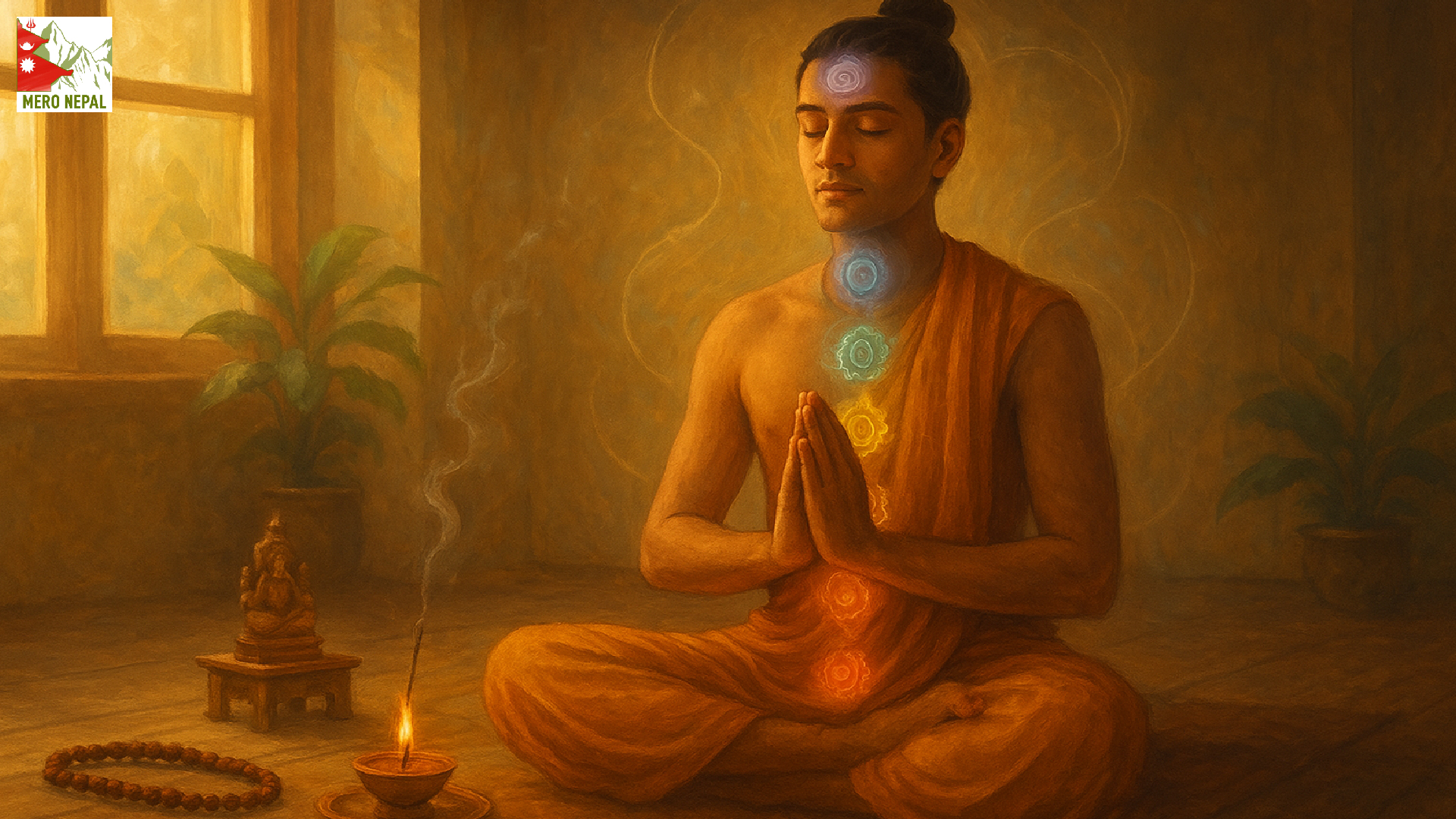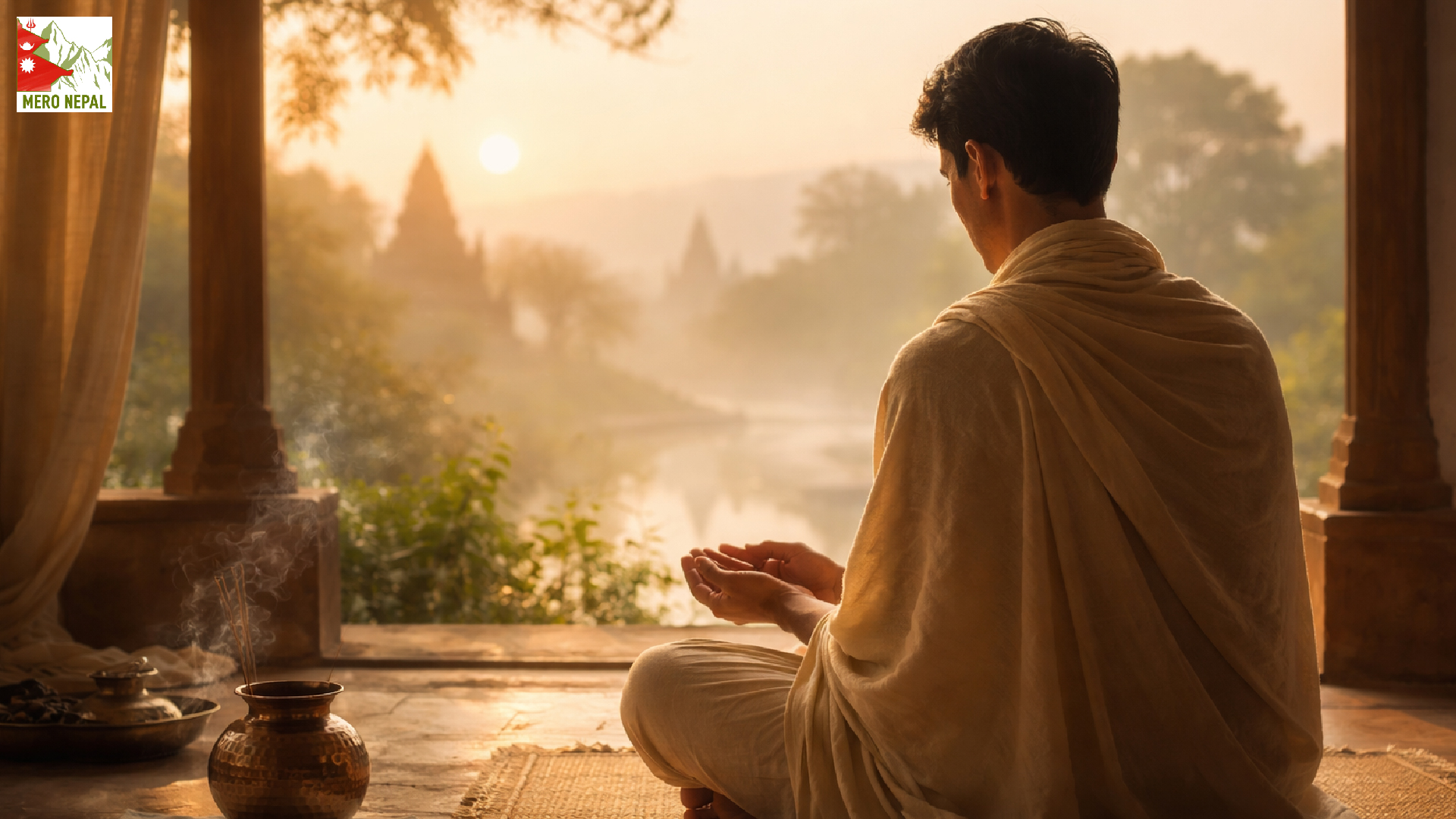
5 Simple Morning Rituals According to Dharma Shastra for a Productive Day

Introduction The way you begin your morning has a profound impact on the rest of your day. Dharma Shastra outlines morning rituals that are not just religious practices but practical disciplines designed to bring mental clarity, physical balance, and purposeful action. These simple routines harmonize with natural rhythms, preparing the body and mind for a […]

Continue Reading
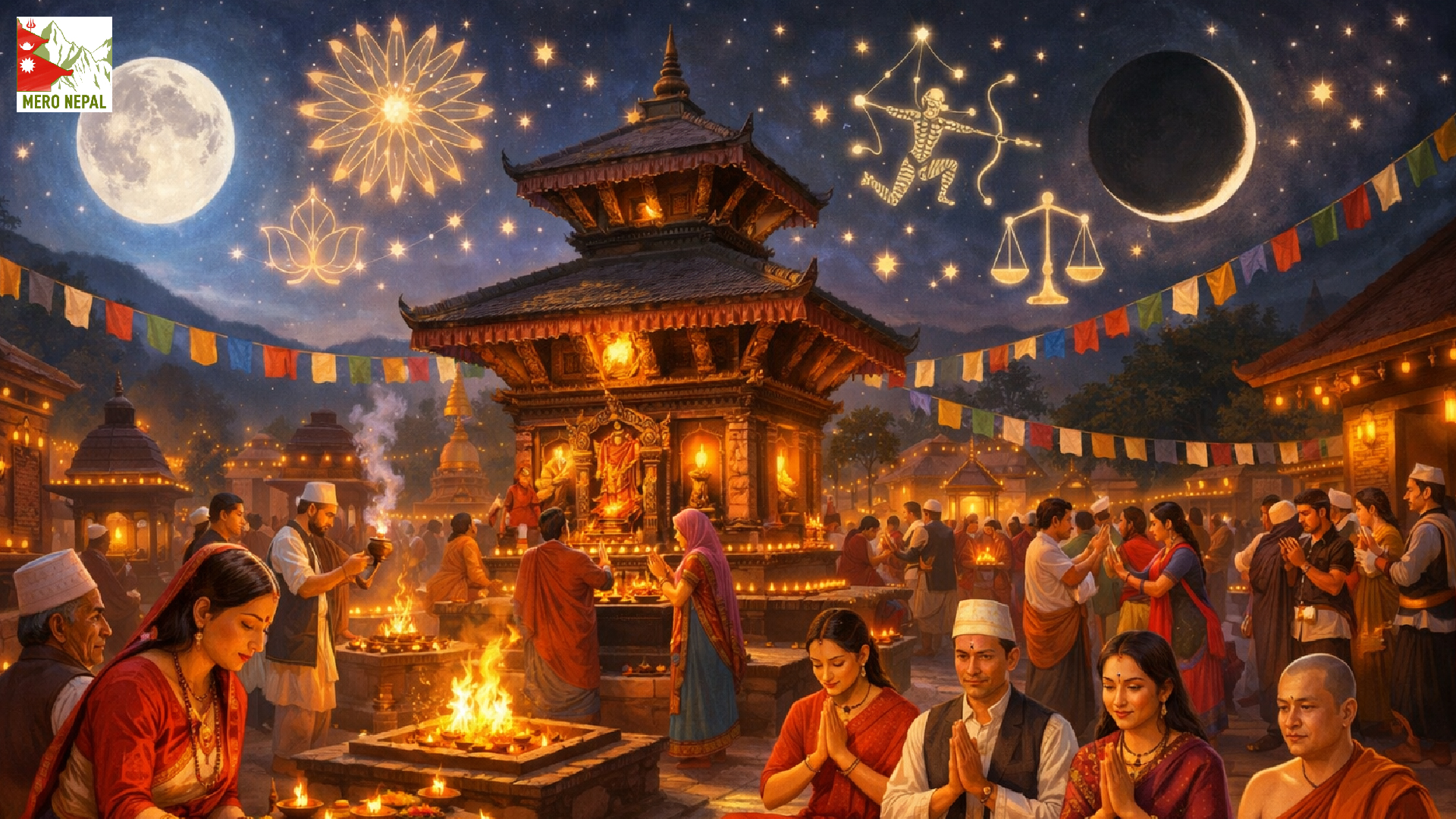
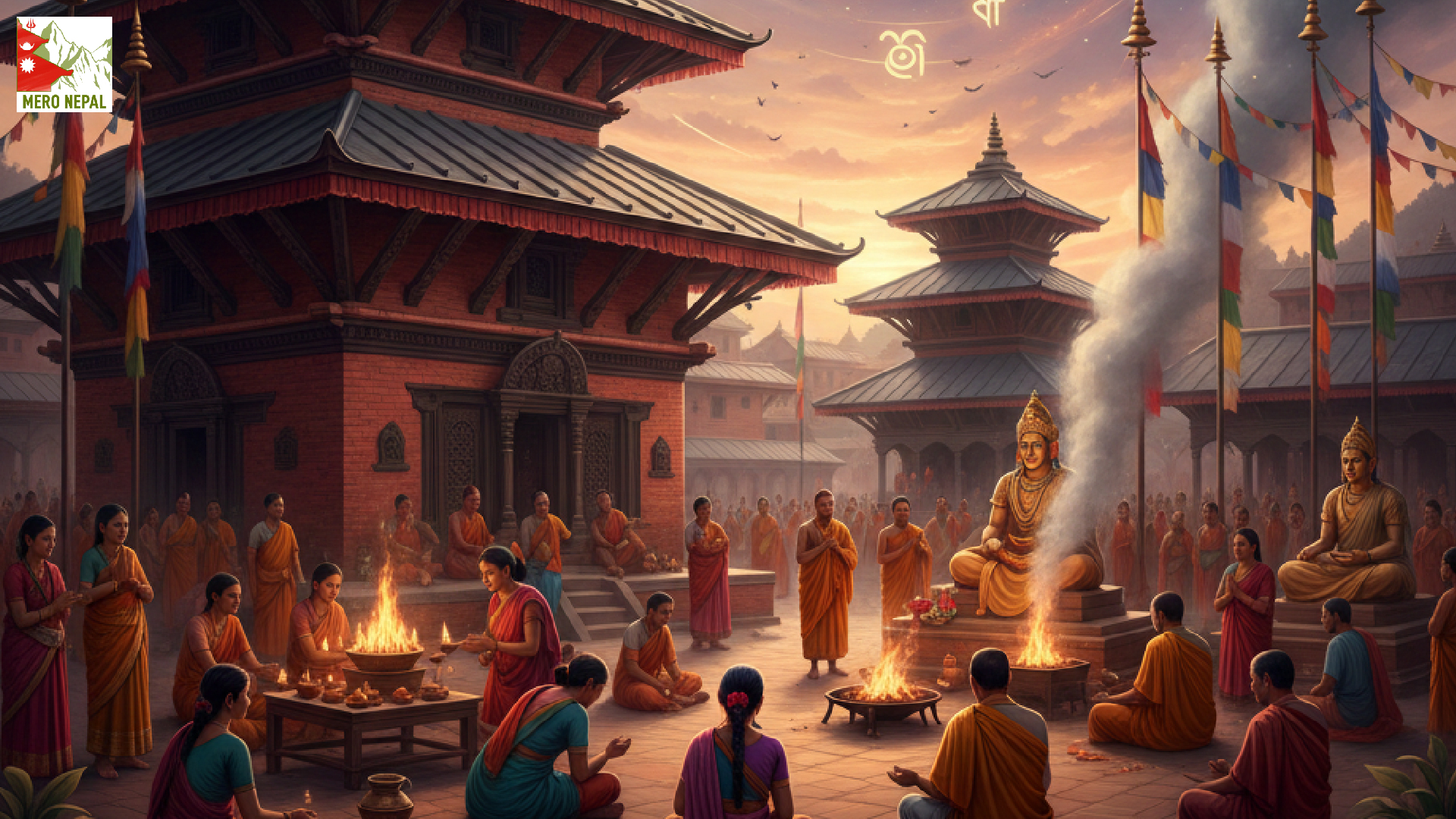
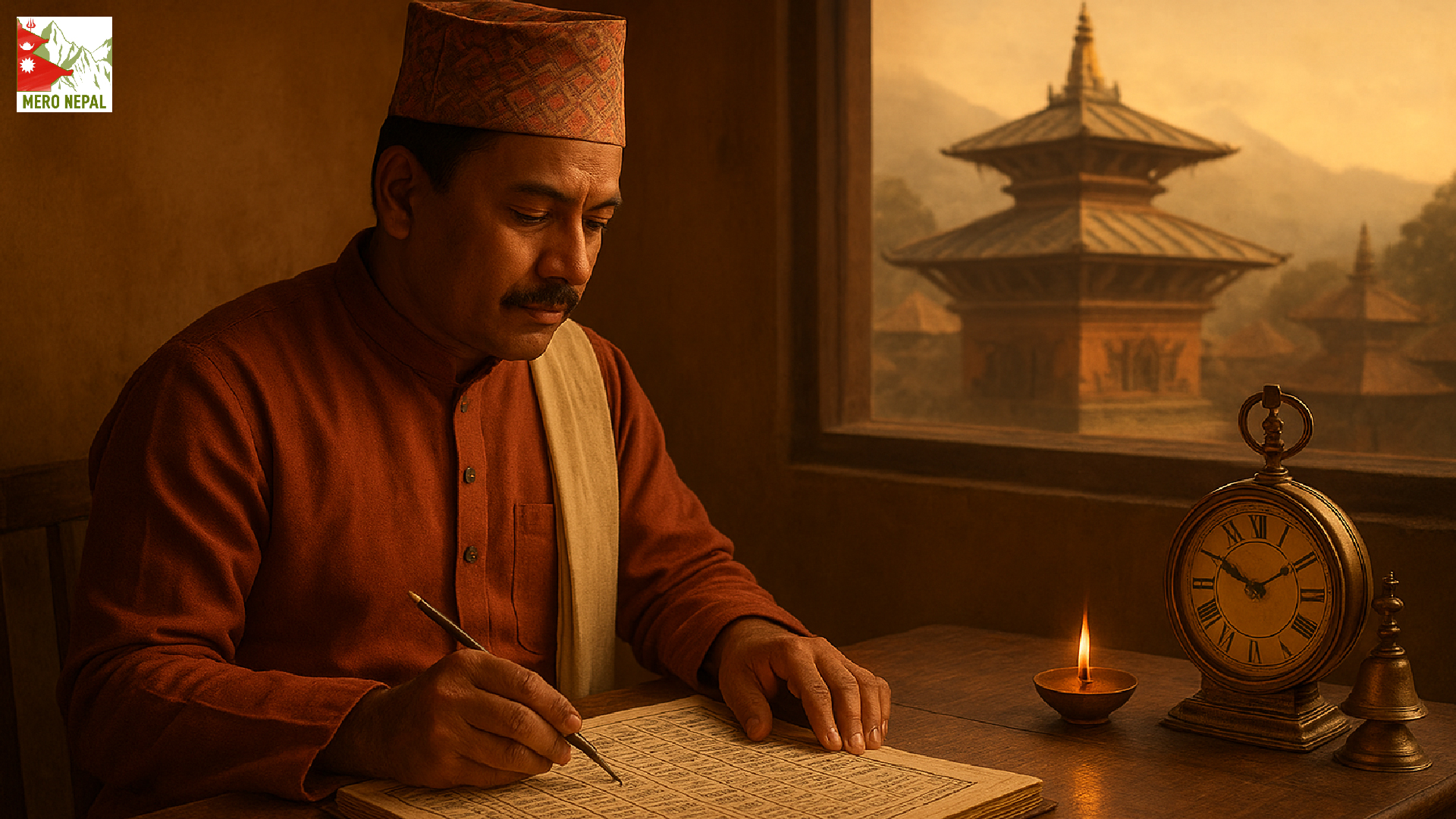
The Importance of Panchang in Nepal

In Nepal, the Panchang holds a vital place in religious, cultural, and social life. Panchang is a traditional timekeeping system based on the movements of the sun, moon, planets, and stars. It provides information on the tithi (lunar day), weekday, nakshatra (constellation), yoga, and karan, guiding auspicious timings for daily activities, rituals, festivals, weddings, housewarmings, […]

Continue Reading

The Role of Tithis and Yogas in Determining Auspicious Days in Nepali Religious Life

In Nepal, determining auspicious days for rituals, festivals, weddings, housewarmings, and other important events is deeply rooted in traditional astrology. The core of this system is tithis and yogas, which are integral components of the Nepali lunar calendar. Tithis are calculated based on the position of the moon relative to the sun, while yogas are […]

Continue Reading

Amavasya and Purnima in Nepali Tradition: Religious Practices, Astrological Meaning, and Cultural Beliefs

Amavasya and Purnima are two of the most significant lunar phases in Nepali religious and cultural life. They are not merely dates in the lunar calendar but are deeply connected with rituals, fasting, ancestral remembrance, meditation, and collective social practices. In Nepal, both Hindu and Buddhist traditions understand Amavasya and Purnima as special periods for […]

Continue Reading

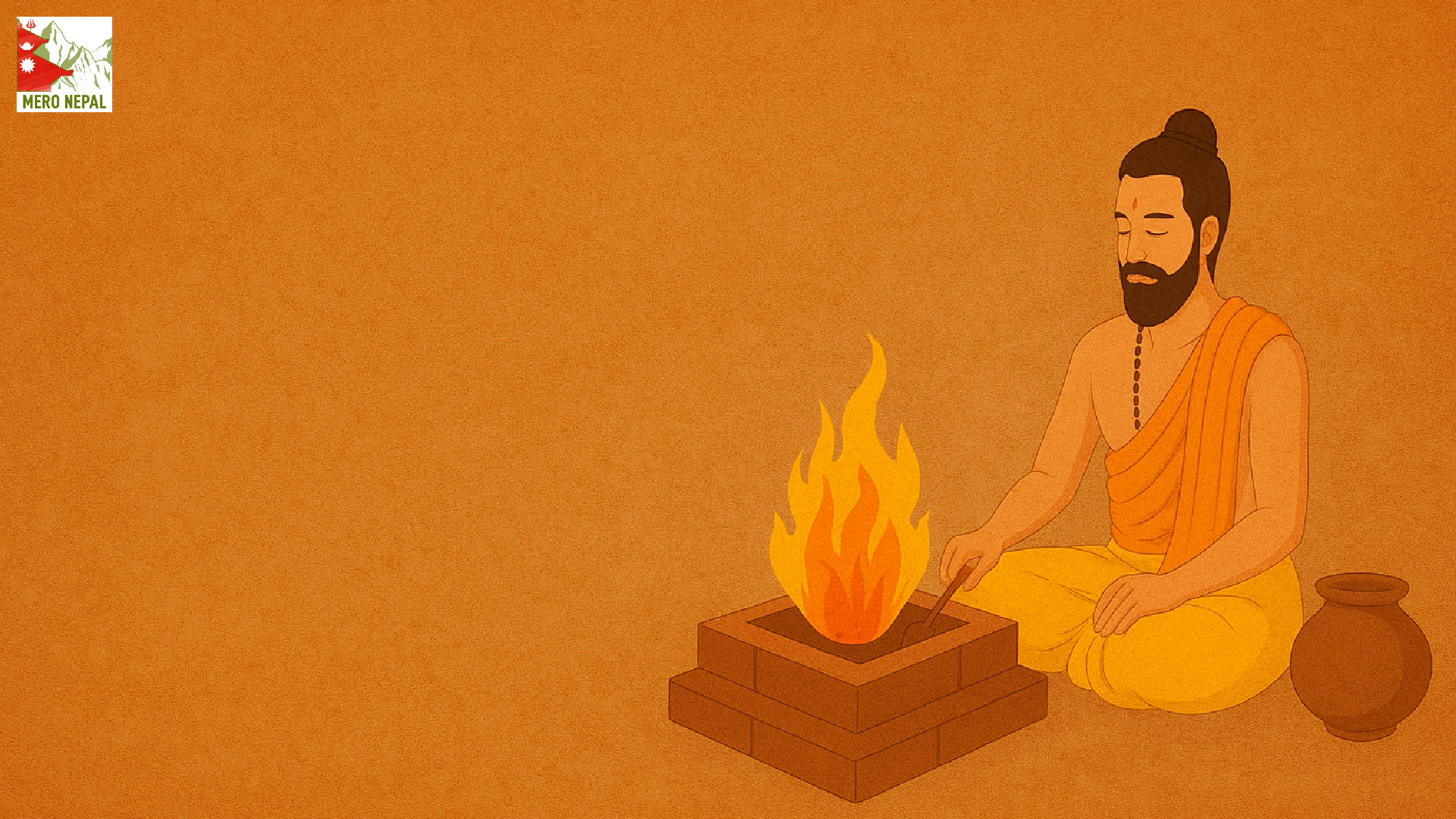
Why Fire (Agni) Is Central in Hindu Rituals: Scientific and Spiritual View

In Hinduism, fire is more than a physical element—it represents life, purity, energy, and divine consciousness. Since the Vedic era, every religious ritual, whether a yajna, havan, puja, or life-cycle ceremony, is considered incomplete without fire. Fire is viewed as the bridge between humans and the divine, carrying offerings, prayers, and intentions to the gods. […]

Continue Reading

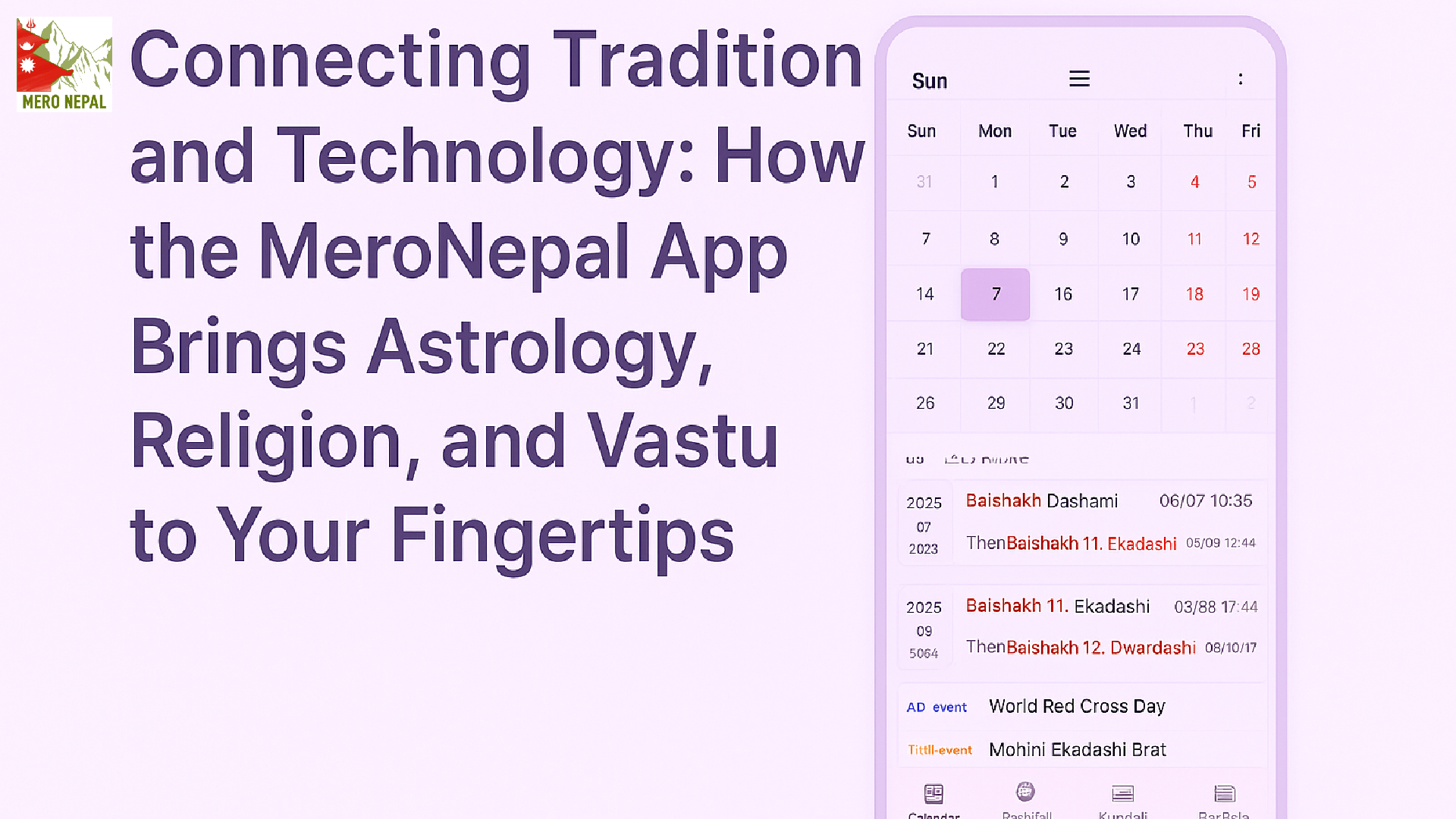
Fusion of Tradition and Technology: How the MeroNepal App Brings Astrology, Vastu, and Religion to Your Fingertips

In today’s fast-moving digital era, staying connected to one’s cultural and spiritual roots has become more important than ever. The MeroNepal App fulfills this need by blending Nepal’s traditional wisdom—astrology, vastu, and religion—with modern technology. It’s designed for users who value both heritage and convenience, offering spiritual knowledge and cultural content in a simple, accessible […]

Continue Reading

The Power of Vedic Mantras: Meaning, Science, and Daily Life Impact

In Vedic culture, “sound” is regarded as Brahman — the Upanishadic statement “Shabdo vai Brahma” clearly emphasizes that the fundamental energy of the universe is sound. When this energy is structured as a mantra, it becomes more than a mere sound; it transforms into a vibration of consciousness. This subtle power of mantras influences human […]

Continue Reading

The Importance of Shubh Muhurat and Its Practical Use in Life

In Vedic tradition, the concept of Shubh Muhurat (auspicious timing) carries deep significance. Time is not just the ticking of a clock—it is the rhythm of the cosmos, influencing every action and outcome. Hindu philosophy views Kaal (time) as an embodiment of Lord Vishnu himself. Thus, any work begun at the right time, in the […]

Continue Reading

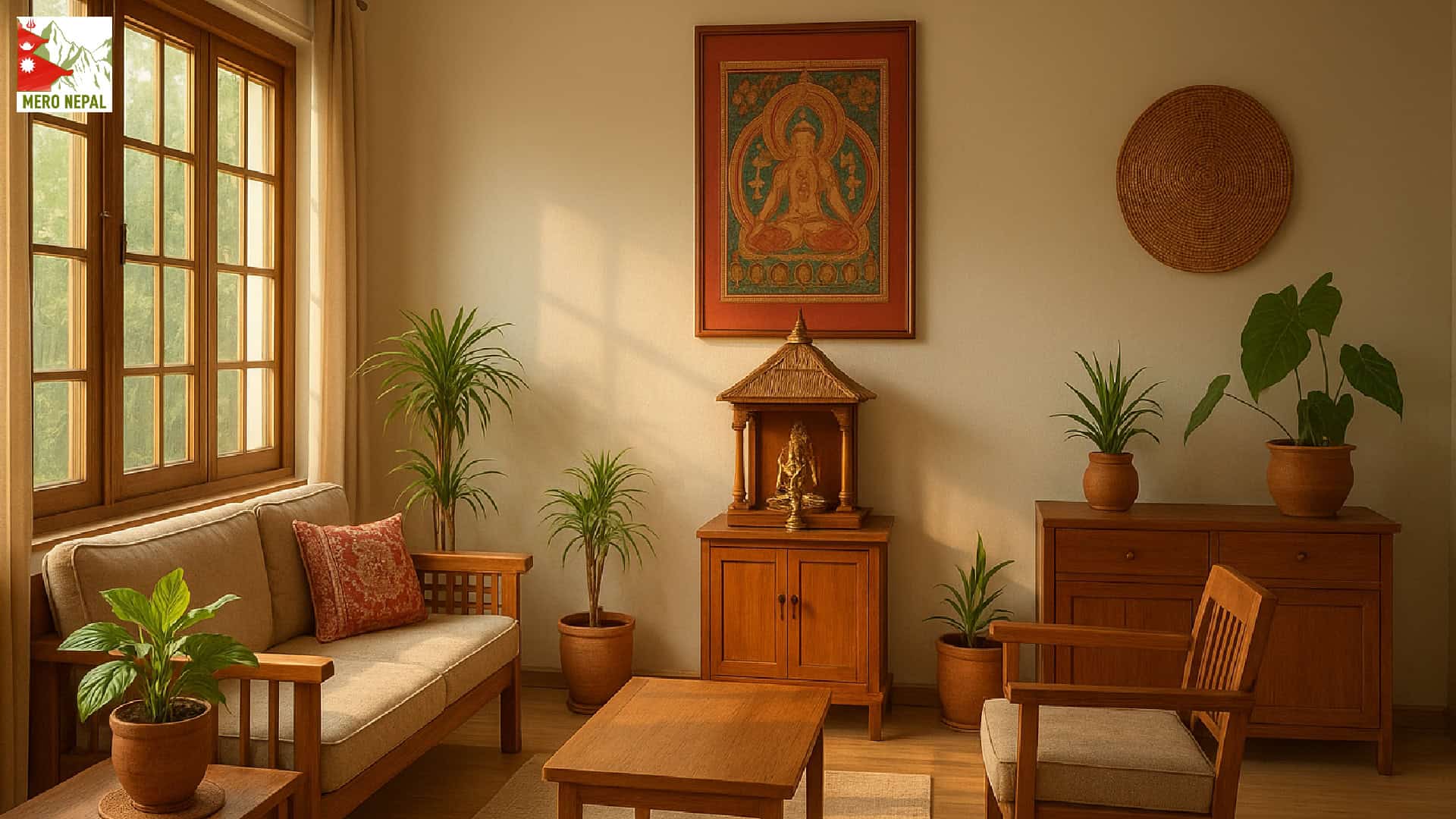
Scientific Perspective of Vastu Shastra and Its Impact on Daily Life

Vastu Shastra is an ancient Indian science that studies the relationship between buildings, the environment, and human life. The word “Vastu” means dwelling place and “Shastra” means knowledge or science. Vastu Shastra emphasizes balancing nature, directions, and energy to bring happiness, peace, and prosperity into human life. Historical Background of Vastu Shastra Vastu Shastra is […]

Continue Reading

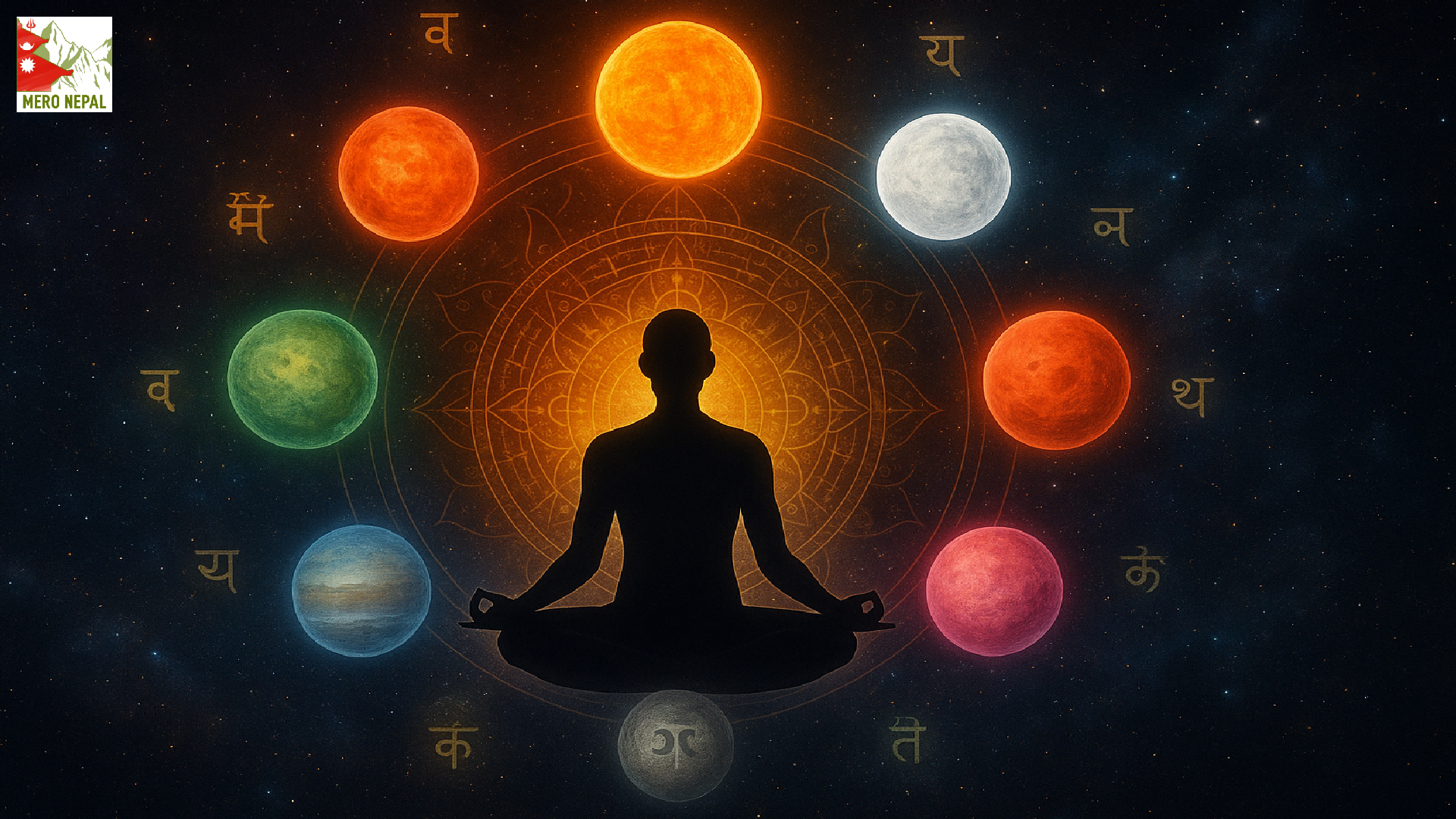
The Relationship Between Planets and Human Emotions in Vedic Astrology

According to Vedic astrology, the nine planets of the universe—Sun, Moon, Mars, Mercury, Jupiter, Venus, Saturn, Rahu, and Ketu—are considered the nine primary energies influencing human life. These planets are not merely celestial bodies orbiting in space; they are subtle forces that deeply affect the human mind, thought processes, behavior, and emotions. In Vedic thought, […]

Continue Reading