1. Introduction: Caves as Spiritual Sanctuaries
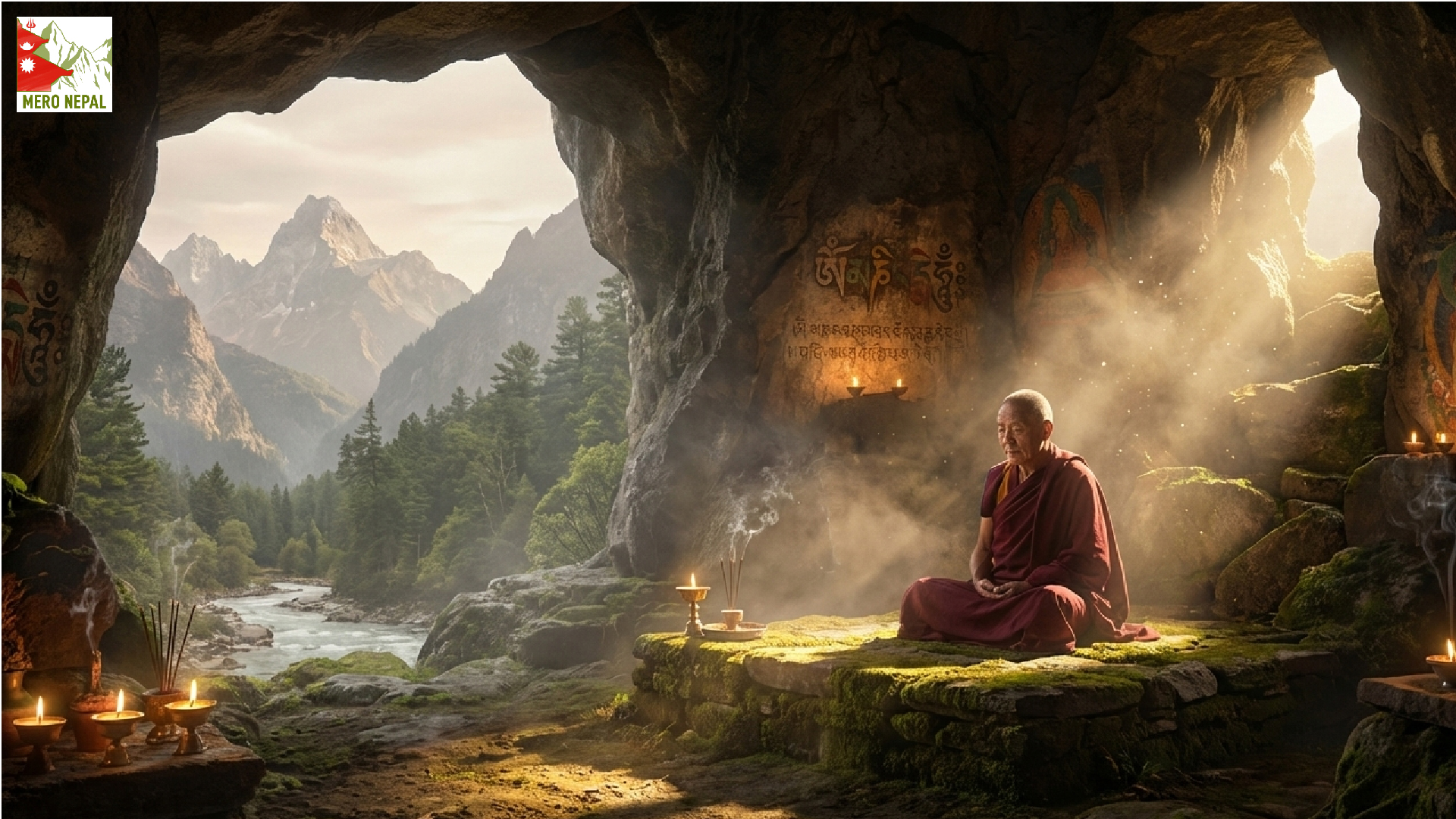
Nepal’s sacred caves, hidden throughout the Himalayan and mid-hill regions, have been used for centuries as centers of meditation, self-reflection, and spiritual energy. Sages, monks, and spiritual seekers have long used these caves to escape distractions and connect with higher consciousness.
The stillness inside the caves, combined with cool mountain air and natural acoustics, creates a unique environment for deep meditation and mental clarity. The darkness and depth of the caves encourage inward focus, allowing practitioners to sense their inner strength and spiritual energy. Spending time in these caves can lead to inner calm, mental clarity, and a stronger connection with cosmic and natural energies.
Many visitors report experiencing enhanced mindfulness, emotional stability, and increased life energy after extended meditation in caves. The solitude and natural environment help maintain focus and deepen spiritual practice.
Key Highlights:
- Caves serve as natural meditation and spiritual retreat spaces.
- Isolation and quiet enhance focus, mindfulness, and inner balance.
- The environment supports physical, mental, and spiritual well-being.
- Spending time in caves allows practitioners to sense inner energy and life force.
2. Historical and Cultural Significance
Many caves in Nepal are deeply tied to religious stories, legends, and historical events. Ancient Hindu and Buddhist texts describe caves as places where deities appeared, sages meditated, or spiritual rituals were performed. Some caves contain inscriptions, carvings, or small shrines that testify to centuries of devotion and spiritual practice.
Local communities consider these caves sacred and continue to perform offerings, rituals, and seasonal festivals there. Visitors often experience the energy of the natural surroundings while practicing meditation and rituals. Historically, caves served as retreats for sages and monks to conduct prolonged meditation, prayer, and spiritual ceremonies.
Cultural and Historical Points:
- Sacred Sites: Some caves are associated with specific deities, sages, or spiritual figures.
- Historical Use: Meditation, rituals, and spiritual practice were performed for centuries.
- Local Traditions: Offerings and festivals maintain the sacredness of caves.
- Cultural Legends: Many caves are tied to myths, religious stories, and historical events.
3. Spiritual, Mental, and Physical Benefits
Meditating or spending time in caves provides unique spiritual, mental, and physical benefits. Natural isolation reduces external distractions, allowing practitioners to focus inward. The energy of the stone, underground chambers, and acoustic environment often enhances meditation, visualization, and mantra practice.
Many visitors report increased mental clarity, reduced stress, emotional stability, and a heightened sense of life energy. Physically, the cool, stable air inside caves supports better circulation, balances body energy, and enhances overall vitality.
Key Benefits:
- Reduces mental stress and promotes emotional stability.
- Improves concentration, focus, and depth of meditation.
- Enhances spiritual awareness and inner consciousness.
- Strengthens connection with nature and cosmic energy.
- Supports physical health, energy balance, and vitality.
4. Practices for Cave Meditation
Visitors can adopt simple but powerful routines to maximize benefits when meditating in caves. The cave environment naturally deepens awareness, energy sensitivity, and mental clarity.
Recommended Practices:
- Begin with deep breathing and grounding exercises at the cave entrance.
- Meditate silently or chant mantras to align energy with the surroundings.
- Walk mindfully or perform gentle movement in large chambers.
- Observe inner thoughts and sensations while meditating.
- Conclude with gratitude and intention-setting before leaving.
- Align meditation with the cave’s natural acoustics and ambient energy for deeper focus.
5. Notable Sacred Caves in Nepal
Several caves in Nepal are especially famous for their spiritual, historical, and cultural importance:
Popular Caves:
- Pashupatinath Cave, Kathmandu: Ancient cave near the Pashupatinath Temple, used for meditation and rituals.
- Gupha Pokhari Caves, Ilam: Sacred site for both Hindu and Buddhist practitioners.
- Sundarijal Caves, near Kathmandu: Offers serene environment for meditation practice.
- Himalayan Caves, Mustang and Dolpa: Remote caves used for prolonged meditation retreats by monks.
- Chitwan Cave Areas: Natural retreats with spiritual energy for visitors.
- Ancient Caves near Bhaktapur: Containing inscriptions and carvings, ideal for historical and spiritual exploration.
These caves provide a unique blend of natural energy, history, and spiritual experience.
6. Conclusion
Nepal’s sacred caves are natural sanctuaries for meditation, spiritual exploration, and mental rejuvenation. Integrating meditation, pranayama, and reflection while visiting these caves enhances inner calm, spiritual awareness, emotional stability, and life energy.
Caves connect visitors to centuries-old traditions, sacred energy, and peaceful solitude. Regular meditation and visits help improve mental, emotional, and spiritual health.
Summary Points:
Spending time in caves deepens connection with nature and spiritual energy.
Sacred caves support meditation, focus, and spiritual growth.
Practices in caves reduce stress, enhance mindfulness, and increase vitality.
Visiting caves connects practitioners to Nepal’s spiritual heritage.
Guidance apps like MeroNepal can help locate caves and suggest optimal times for spiritual practice.
Meditation in caves strengthens inner awareness, mental clarity, and emotional balance.