Introduction
In Hindu astrology, time is not just a measure of hours and minutes—it carries spiritual and energetic significance. Ancient texts explain that each moment has its own vibration, favorable for certain activities and unfavorable for others. Among the most important time calculations are Rahu Kaal, Choghadiya, and Shubh Muhurat, which continue to guide daily life, decisions, and rituals in Nepal and across the Hindu world.
What is Rahu Kaal?
Rahu Kaal refers to a specific period of time ruled by the shadow planet Rahu. It is considered inauspicious for beginning new ventures, travel, business deals, or important tasks. Each day, Rahu Kaal occurs for about one and a half hours, and its timing changes depending on sunrise and sunset. However, routine activities already in progress can continue during this period.
Astrologers recommend avoiding auspicious beginnings during Rahu Kaal but using the time for spiritual reflection, mantra chanting, or introspection instead.
Understanding Choghadiya
Choghadiya divides the day and night into eight equal parts, each ruled by a planet. These periods are categorized as Shubh (auspicious), Labh (gain), Amrit (prosperity), Chal (neutral), Rog (disease), and Kaal (inauspicious).
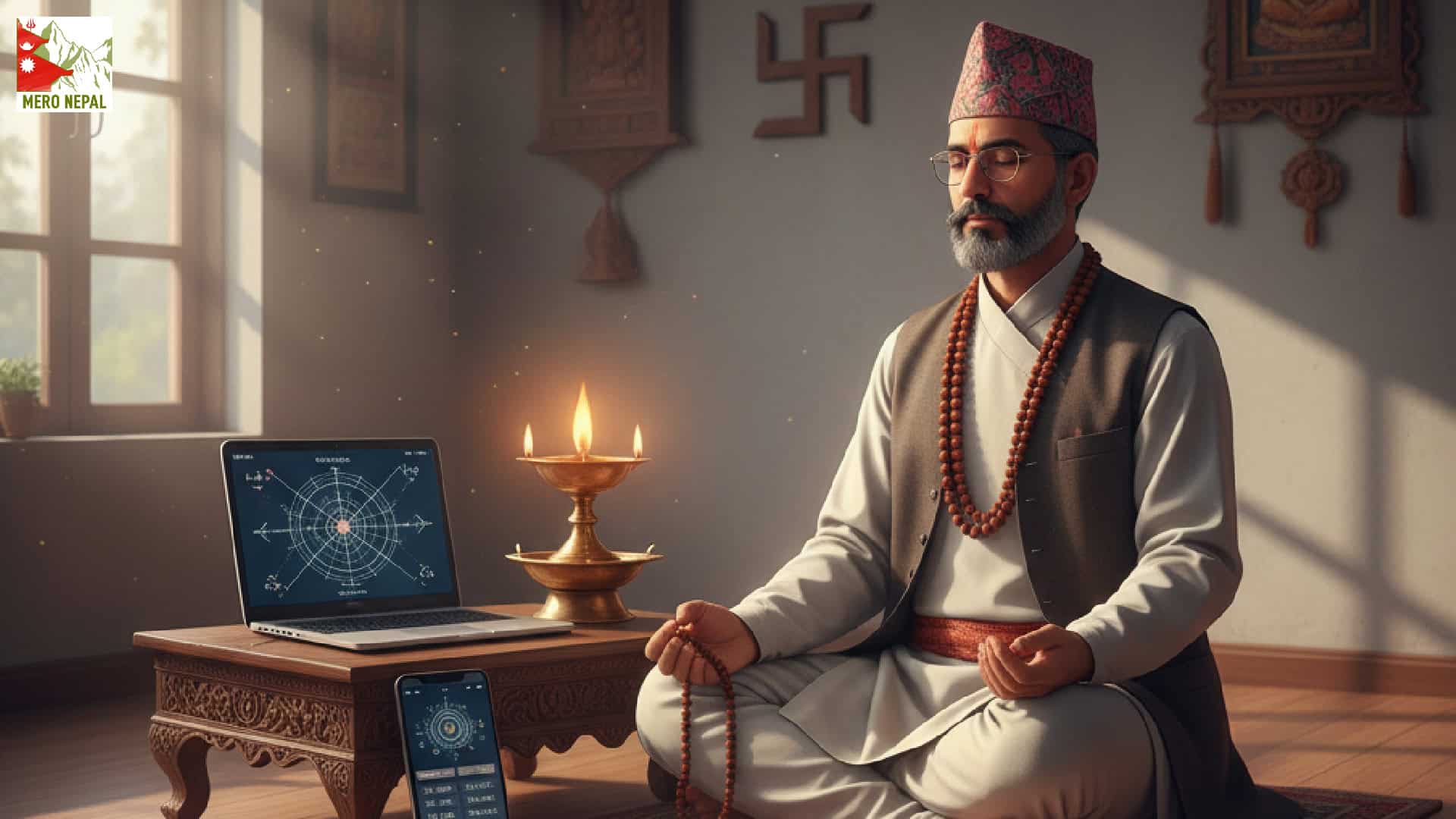
People use Choghadiya charts to choose the right time for travel, business, or ceremonies. Many Nepalis check Choghadiya through mobile apps or Panchang before starting their day to align with positive planetary influences.
The Significance of Shubh Muhurat
Shubh Muhurat means “auspicious moment.” It is selected after calculating planetary positions, lunar tithis, and nakshatras. Important life events like marriage, housewarming, naming ceremonies, or journeys are ideally started during a Shubh Muhurat to ensure success and harmony.
Priests and astrologers often prepare personal Muhurats based on a person’s Kundali (birth chart), ensuring the chosen time matches their planetary strengths.
Guidance in Modern Life
Even in today’s fast-paced world, these astrological timings remain part of daily routine. Farmers in rural Nepal still consult Panchangs before sowing or harvesting crops. Families check Rahu Kaal and Choghadiya before setting off on a journey. Urban professionals often use astrology apps to check favorable hours before meetings, ceremonies, or online transactions.
Scientific and Spiritual Perspective
From a spiritual view, these practices foster mindfulness and connection with the cosmic order. Scientifically, they also encourage discipline, timing, and reflection before action—values that remain relevant regardless of belief.
Conclusion
Rahu Kaal, Choghadiya, and Shubh Muhurat reflect a deep understanding of time’s energy and rhythm. They remind us that life moves best when aligned with natural and cosmic cycles. Whether you believe in astrology or not, these traditions highlight the importance of harmony, awareness, and timing in every decision of daily life.
Mero Nepal App
Find accurate Rahu Kaal, Choghadiya, and Shubh Muhurat timings easily in one place with the Mero Nepal App. Get daily Panchang updates, horoscope readings, and personalized astrological insights tailored for your location and birth chart—simple, reliable, and culturally rooted.