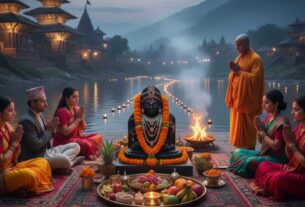
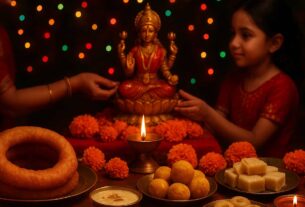
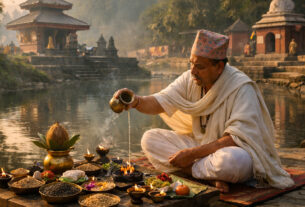
Nepal is a country of diverse cultures, ethnicities, and landscapes. Its mountains, hills, and plains have given rise to unique cultural and religious traditions across regions. The monsoon season, typically from June to September, is closely tied to agriculture and community life. Local festivals during this season celebrate nature, agricultural cycles, community unity, and cultural diversity.
In today’s digital age, Nepalis living abroad or those with busy schedules can also participate in these festivals through mobile apps and online platforms. The Mero Nepal app makes this participation easier and more convenient.
Importance of Monsoon Festivals
The monsoon provides rain for rice, vegetables, and other crops, which is essential for rural livelihoods.
Festivals during this period often offer thanks to nature and deities for a good harvest.
They strengthen community bonds, as villagers participate in songs, dances, feasts, and rituals.
These celebrations help preserve ethnic traditions, folklore, and cultural knowledge, passing them on to younger generations.
Monsoon festivals are often tied to rain and fertility, ensuring balance in agricultural cycles.
Key Local Monsoon Festivals
1. Ropain Festival
Celebrated in rice-growing regions, especially in the Terai and hills.
Marks the beginning of rice planting.
Villagers perform pujas, songs, and dances to bless the fields.
Offerings include rice seeds, flowers, and symbolic items to local deities.
This festival fosters collective enthusiasm and unity among farming communities.
2. Indra Jatra
Observed mainly in Kathmandu Valley, honoring Indra, the god of rain.
Includes masked dances, chariot processions, and cultural performances.
Community members seek blessings for rainfall, fertility, and prosperity.
The festival also contributes to cultural showcases and tourism.
3. Rural Jatras
Smaller local festivals honoring mountain or river deities.
Villagers perform music, dance, ritual offerings, and prayers.
These jatras often coincide with key monsoon events, such as river swells or landslide prevention rituals.
Collective participation strengthens social networks and community cohesion.
4. Teej (Monsoon Period)
In hilly regions, Teej coincides with the late monsoon.
Women fast and pray for marital bliss and family well-being.
Includes songs, dances, and communal gatherings.
The festival supports women’s empowerment and social bonding.
5. Community and Local Special Festivals
Some Himalayan communities celebrate rituals related to mountain and forest deities.
Terai communities hold river, pond, and farm-related rituals.
These festivals preserve local lifestyle and traditional knowledge.
Modern Access and Digital Solutions
Many festivals now feature media coverage, online streaming, and mobile updates.
Nepalis living abroad or with busy schedules can now participate from home.
Mero Nepal app provides easy access to festival information, online puja bookings, and cultural guidance.
App Spotlight: Mero Nepal
The Mero Nepal app offers:
Festival and fasting reminders – Never miss an important celebration.
Online puja bookings – Participate in live rituals with priests.
Astrology and horoscope updates – Personalized daily and monthly forecasts.
Temple information – Details of major temples and religious sites.
Cultural updates – Notifications about festivals and events in Nepal and abroad.
👉 Download here: Mero Nepal App
With this app, you can participate in monsoon festivals from home, follow traditional practices, and preserve your cultural heritage.
Conclusion
Nepal’s monsoon festivals are a living example of devotion, culture, and community life. They honor the rain and agricultural cycles, strengthen community bonds, and preserve centuries-old traditions. Digital platforms and the Mero Nepal app provide modern solutions to continue these age-old practices conveniently.
Monsoon festivals are not just religious rituals; they are cultural, social, and environmental celebrations that keep Nepali life and traditions vibrant and connected to nature.