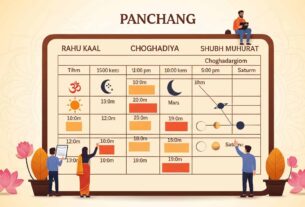
In Nepal, determining auspicious days for rituals, festivals, weddings, housewarmings, and other important events is deeply rooted in traditional astrology. The core of this system is tithis and yogas, which are integral components of the Nepali lunar calendar. Tithis are calculated based on the position of the moon relative to the sun, while yogas are combinations of the sun and moon positions that define the energy and quality of a particular day.
Together, tithis and yogas ensure that rituals, festivals, and personal activities are performed at the most spiritually favorable times. This system, developed over thousands of years of observation, reflects a deep understanding of the connection between cosmic movements and human life.
Tithis: Definition and Importance
A tithi is a lunar day, divided into 30 segments in a lunar month, based on the angular distance between the sun and the moon. Each tithi has its own characteristics, auspiciousness, and suitability for certain activities. For example, Amavasya (new moon) is ideal for ancestor worship, meditation, and quiet reflection, while Purnima (full moon) is favorable for communal worship, charity, and festival celebrations. Following tithis helps maintain spiritual harmony, mental peace, and social cohesion, while preserving traditional knowledge and discipline in daily life.
Yogas: Characteristics and Influence
Yogas are determined by the combined positions of the sun and moon, influencing the energy and nature of a particular day. Nepali astrology recognizes 27 types of yogas, each with unique qualities and suitability for specific activities. For example, some yogas favor celebrations, weddings, religious offerings, and charity, while others are more suited for meditation, study, fasting, or spiritual practices.
Even if a tithi is generally favorable, the yoga of the day can influence the exact suitability of performing certain activities. This careful coordination ensures that events are undertaken under the most auspicious cosmic conditions.
Determining Auspicious Days for Rituals and Festivals
Major Nepali festivals such as Dashain, Tihar, Chhath, and Indra Jatra, as well as personal and family ceremonies like weddings, sacred thread ceremonies, housewarmings, and naming ceremonies, are all scheduled based on tithis and yogas. Astrologers consult the panchang (Nepali lunar calendar) to determine muhurtas, precise moments considered highly auspicious. Conducting a wedding on a favorable tithi and yoga, for example, is believed to ensure prosperity, harmony, and happiness for the couple.
Impact on Social and Community Life
Tithis and yogas also play a major role in community life. When everyone observes festivals and rituals at the same auspicious times, communal worship, celebrations, and cultural programs are carried out effectively. This strengthens social cohesion, cooperation, and cultural awareness. In many villages and cities, tithis also guide agricultural, trade, and social decisions, bringing stability and discipline to communal life.
Application in Agriculture and Natural Life
In traditional Nepali agricultural life, tithis and yogas guide the timing of farming and natural activities. For example, Purnima is ideal for community gatherings, festivals, and charitable acts, while Amavasya is a time for reflection, ancestor worship, and rest. These practices help maintain alignment with natural cycles and bring regularity to both family and social life.
Astrological Perspective
Tithis and yogas are used in astrology to indicate auspicious and inauspicious days. By coordinating Nakshatras, yogas, and karanas, astrologers determine favorable timings for weddings, travel, fasting, rituals, and other significant activities. This guidance helps individuals and families make informed, spiritually aligned decisions.
Modern Application
Even in contemporary urban life, tithis and yogas remain highly relevant. Mobile apps, digital calendars, and online panchangs provide daily information about tithis, yogas, and muhurtas. This integration of traditional knowledge with modern technology allows Nepalis to perform rituals and celebrate festivals accurately and conveniently.
For accurate daily information on tithis, yogas, and auspicious timings, the Mero Nepal App is an essential tool. The app provides daily tithi and yoga details, festival dates, ritual guidance, and cultural articles. Cloud-based updates ensure reliable, real-time information. Download link: https://play.google.com/store/apps/details?id=com.meronepal.app
Conclusion
In Nepali religious life, tithis and yogas play a crucial role in determining auspicious days for rituals, festivals, and daily spiritual practices. By aligning human activities with lunar and celestial rhythms, they ensure harmony, prosperity, and continuity of cultural and religious traditions. Even in modern times, tithis and yogas continue to guide personal, familial, and community life in Nepal.