Introduction
Varah Jayanti is an important Hindu festival that commemorates Lord Vishnu’s Varah avatar. It combines devotion, ritual worship, fasting, storytelling, and cultural traditions. According to Hindu scriptures, the Varah incarnation rescued Mother Earth from the cosmic ocean and restored dharma and justice. This festival reminds devotees of faith, righteousness, and social harmony.
Religious Significance
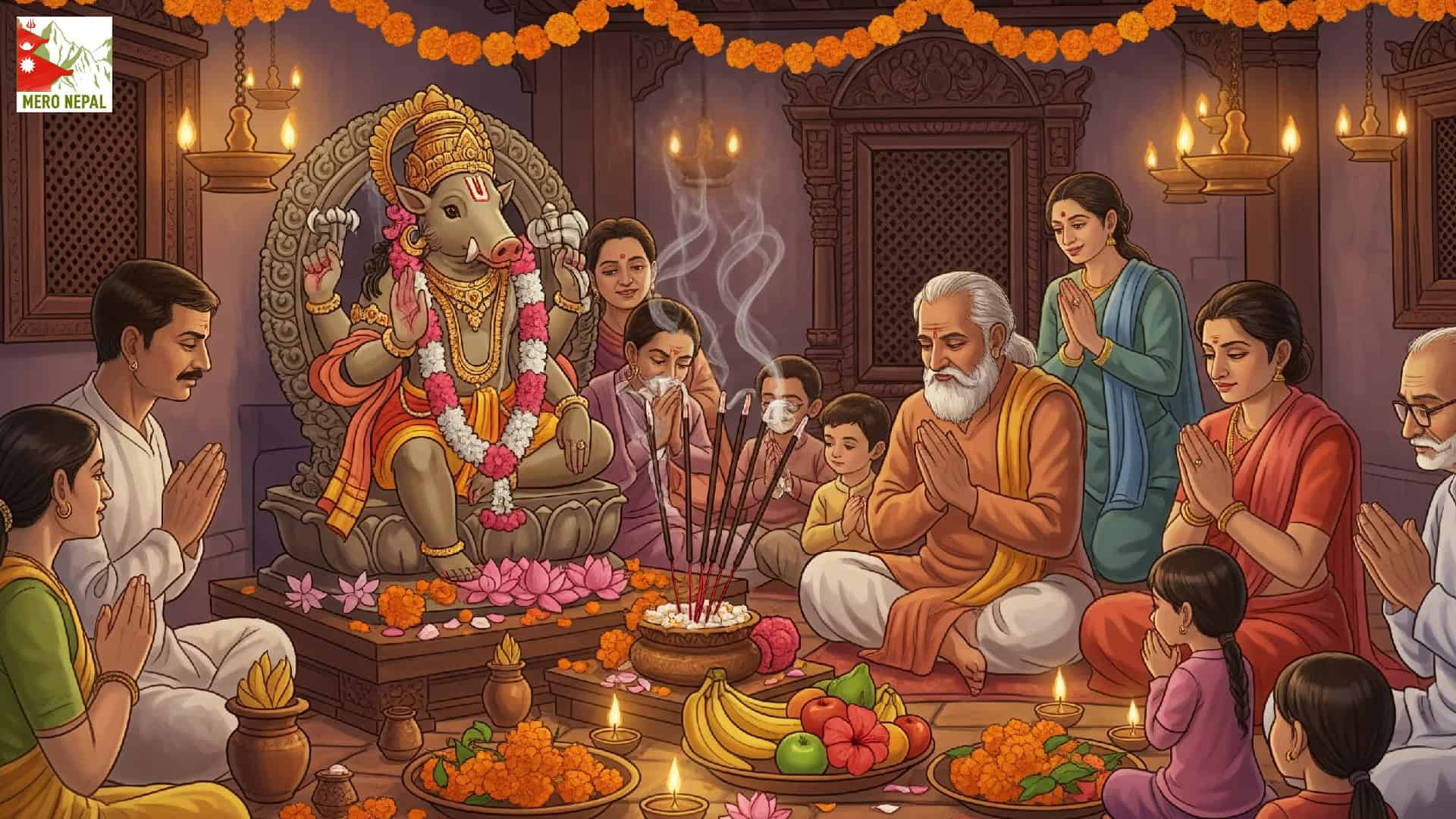
Varah Avatar of Lord Vishnu: The incarnation that lifted the Earth (Bhudevi) from the depths of the ocean and defeated the demon Hiranyaksha.
Protection of Dharma: Symbolizes the restoration of justice and the safeguarding of moral values in society.
Devotion and Family Wellbeing: Worshippers pray to Varah for prosperity, protection, and peace in their households.
Spiritual Discipline: Through fasting, storytelling, and prayer, devotees purify their minds and strengthen spiritual resilience.
Timing and Observances
Varah Jayanti is usually observed during the Shukla Paksha of the month of Ashadh (June–July). On this day, devotees keep fasts, worship Lord Varah, listen to sacred stories, and participate in community rituals.
Main Practices
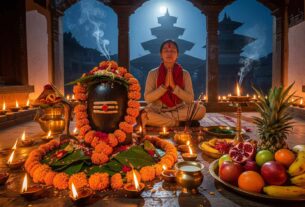
Puja and Havan
Worship of Varah idols or images at home or temples.
Offerings of incense, flowers, fruits, and sacred fire rituals.
Lighting of lamps believed to remove negativity and bring peace.
Story Recitation
Readings from scriptures like the Bhagavata Purana narrating the Varah incarnation.
Stories teach values of devotion, righteousness, and moral duty.
Listening to these stories is considered spiritually rewarding, especially for those observing fasts.
Fasting and Vows
Many devotees observe fasts, refraining from grains and consuming fruits or simple meals.
Fasting symbolizes mental discipline, purity, and dedication.
Chanting of mantras during the fast is believed to enhance blessings.
Community and Cultural Activities
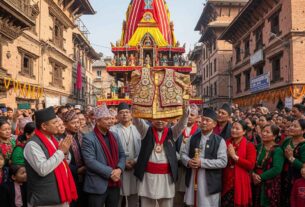
Collective prayers and bhajan-kirtan (devotional singing) in temples.
Organization of local fairs that strengthen social unity.
Folk performances and plays based on the Varah story in some regions.
Traditional Beliefs and Local Customs
Special offering plates with grains, fruits, and flowers are prepared in homes.
Elders narrate stories of Varah to younger generations to preserve traditions.
Donations and acts of charity are common practices during this festival.
Cultural and Spiritual Impact
Varah Jayanti strengthens both faith and culture. It not only revives devotion to Lord Vishnu but also enhances social unity and cultural preservation. The rituals, fasting, and stories carry forward values of righteousness and discipline to younger generations.
Conclusion
Varah Jayanti is a festival of devotion, dharma, and tradition. It honors Lord Vishnu’s Varah avatar and emphasizes the values of justice, morality, family wellbeing, and community harmony. Worship, fasting, storytelling, and cultural events make the festival spiritually and socially significant.
📱 Mero Nepal App
For more details on Varah Jayanti, Nepali festivals, rituals, and traditional practices, download Mero Nepal App. Explore authentic stories, puja methods, and auspicious timings in one place.