Historical Significance of Astrology and Horoscope in Nepal

Astrology and horoscopes have been an integral part of Nepalese culture for centuries. Using birth dates, lunar phases, tithis, nakshatras, and planetary positions, Nepalis have traditionally relied on astrology for guidance in personal and social decisions. Horoscopes are not only a tool for predicting the future but also provide cultural, religious, economic, and social guidance. […]

Continue Reading
Understanding Your Personality Through Kundali and Birth Charts

In Nepali astrology, the Kundali (birth chart) is a powerful tool that helps reveal personality, behavior, strengths, weaknesses, and life tendencies. Based on planetary positions, nakshatras, tithi, and ascendant, the Kundali guides individuals in relationships, career, education, health, and personal development. For centuries in Nepal, Kundali has been central in marriage matching, business decisions, education, […]

Continue Reading

Dashain: The Biggest Hindu Festival in Nepal

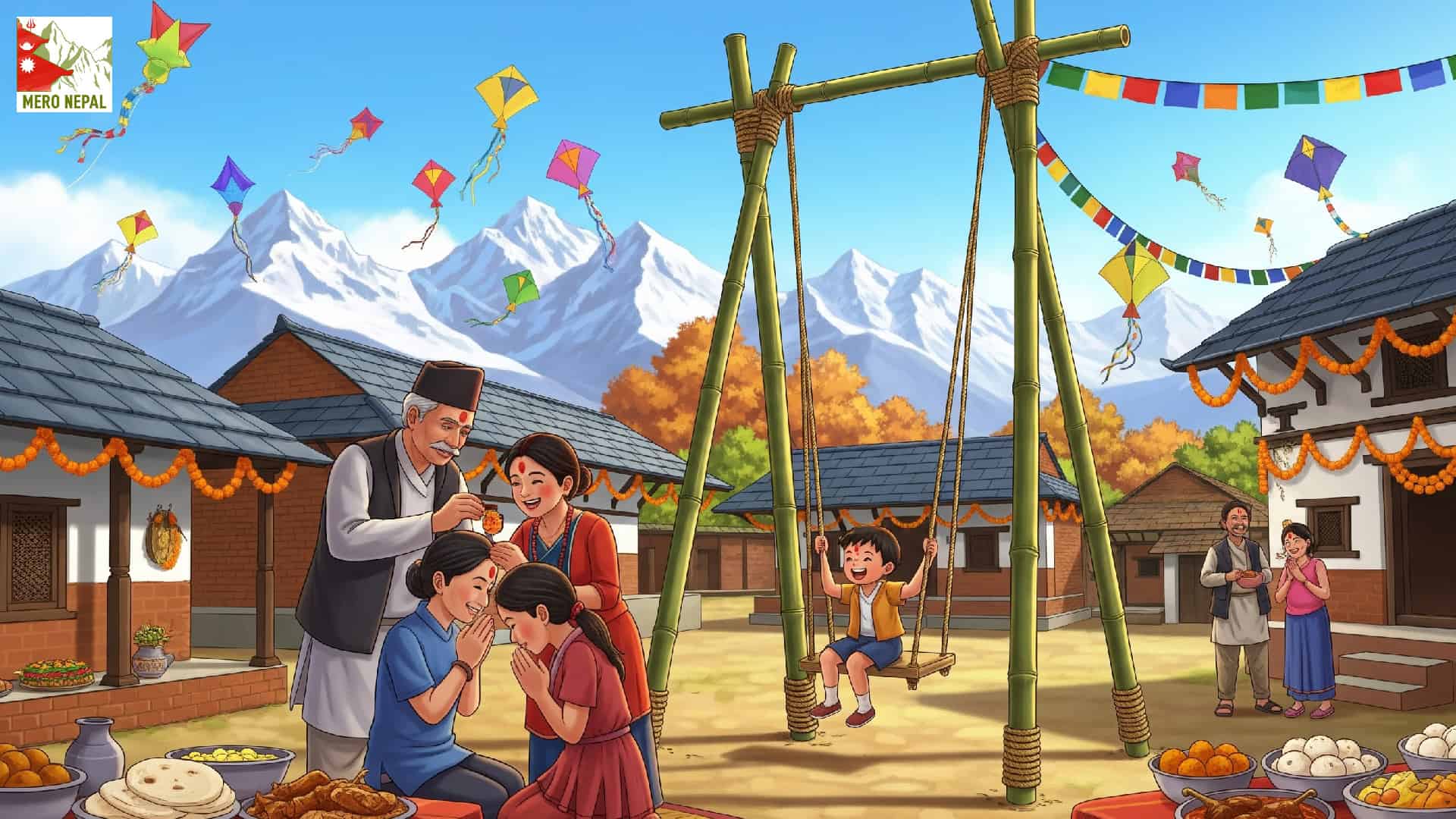
Dashain, also called Vijaya Dashami, is the largest and most widely celebrated Hindu festival in Nepal. It usually falls between late September and mid-October, during the bright lunar fortnight of the month of Ashwin. Lasting fifteen days, Dashain is not just a religious event—it is a national celebration that embodies cultural unity, family togetherness, and […]

Continue Reading

Celebrating Nepali Festivals Abroad: Staying Connected in the Digital Age

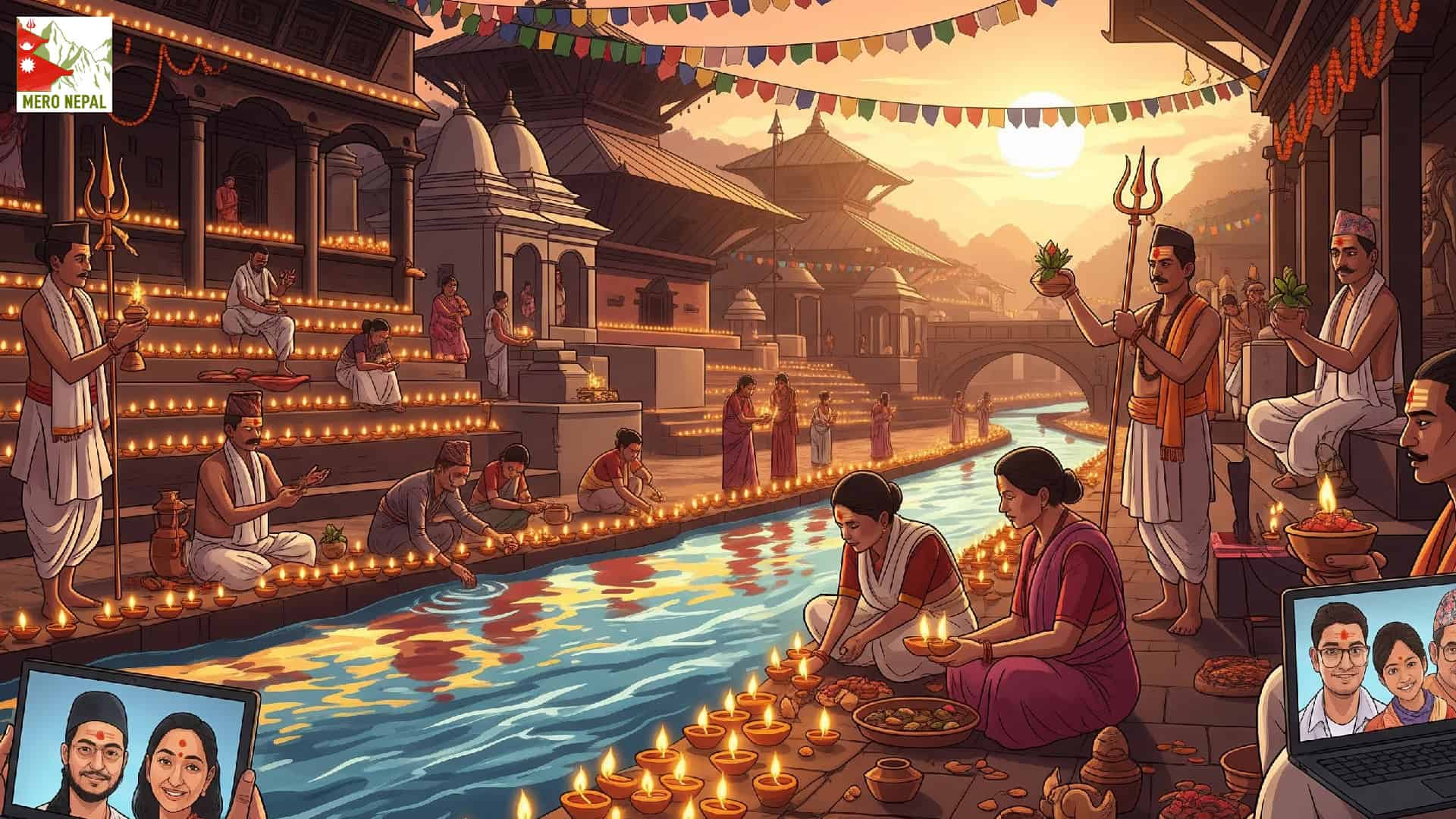
Nepal is famously known as the “Land of Festivals.” From the Himalayas to the Terai, Nepali culture celebrates festivals almost every month. Dashain, Tihar, Holi, Teej, Maghe Sankranti, Chaitra Dashain, Janai Purnima, and Bala Chaturdashi are just a few examples that strengthen social bonds and keep traditions alive. For millions of Nepalis living abroad, these […]

Continue Reading

Sankranti Vrats: Monthly Solar Transits and Their Importance

In Nepal, Sankranti Vrats hold immense religious, spiritual, and cultural significance. These monthly fasts are observed according to the Sun’s transition from one zodiac sign to another. Each Sankranti marks a period of cosmic energy and seasonal change, helping devotees balance their body, mind, and spirit. What is Sankranti? The word “Sankranti” means “transition” or […]

Continue Reading

Local Monsoon Festivals Across Nepal: Cultural Overview and Modern Access

Nepal is a country of diverse cultures, ethnicities, and landscapes. Its mountains, hills, and plains have given rise to unique cultural and religious traditions across regions. The monsoon season, typically from June to September, is closely tied to agriculture and community life. Local festivals during this season celebrate nature, agricultural cycles, community unity, and cultural […]

Continue Reading

Bala Chaturdashi: Rituals, Cultural Significance, Pashupatinath Connection, and Modern Access

Bala Chaturdashi is an important Hindu festival celebrated in Nepal and parts of India. It is dedicated to honoring ancestors and ensuring peace for their souls. Among Nepali Hindus, Bala Chaturdashi holds deep religious, spiritual, and cultural significance. Its connection with Pashupatinath Temple, one of the most sacred Shiva shrines, makes it even more special, […]

Continue Reading

Auspicious Days for Starting New Ventures in Nepal

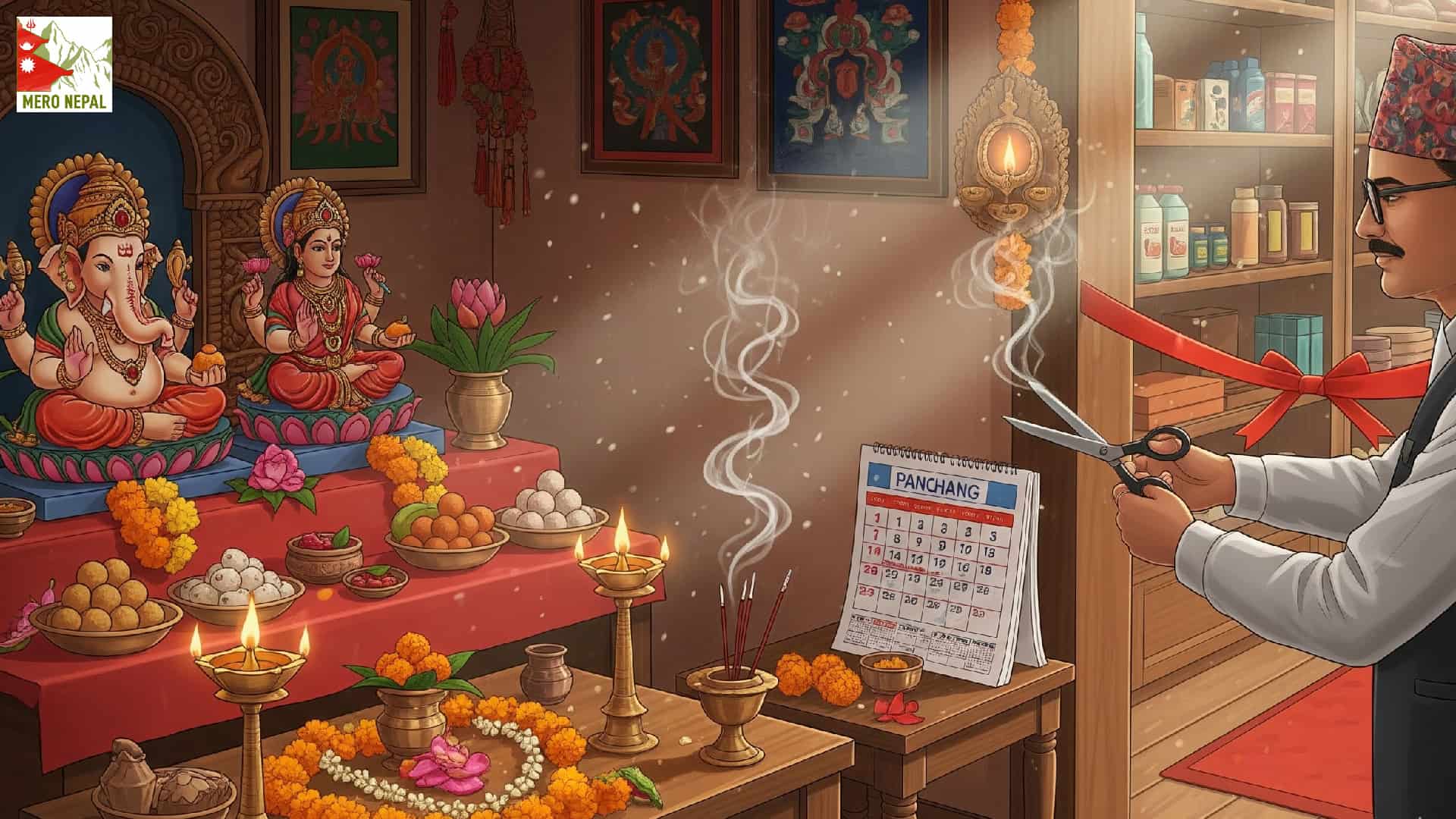
In Nepal, cultural traditions and astrology play a significant role in business decisions. Choosing an auspicious day for launching a new venture is considered essential for success, prosperity, and smooth operations. Entrepreneurs, shop owners, and freelancers often consult the Panchang (Nepali calendar) or astrologers to identify the most favorable dates for business openings, agreements, or […]

Continue Reading

Death, Shraddha, and Pind Daan: Complete Ritual Guide

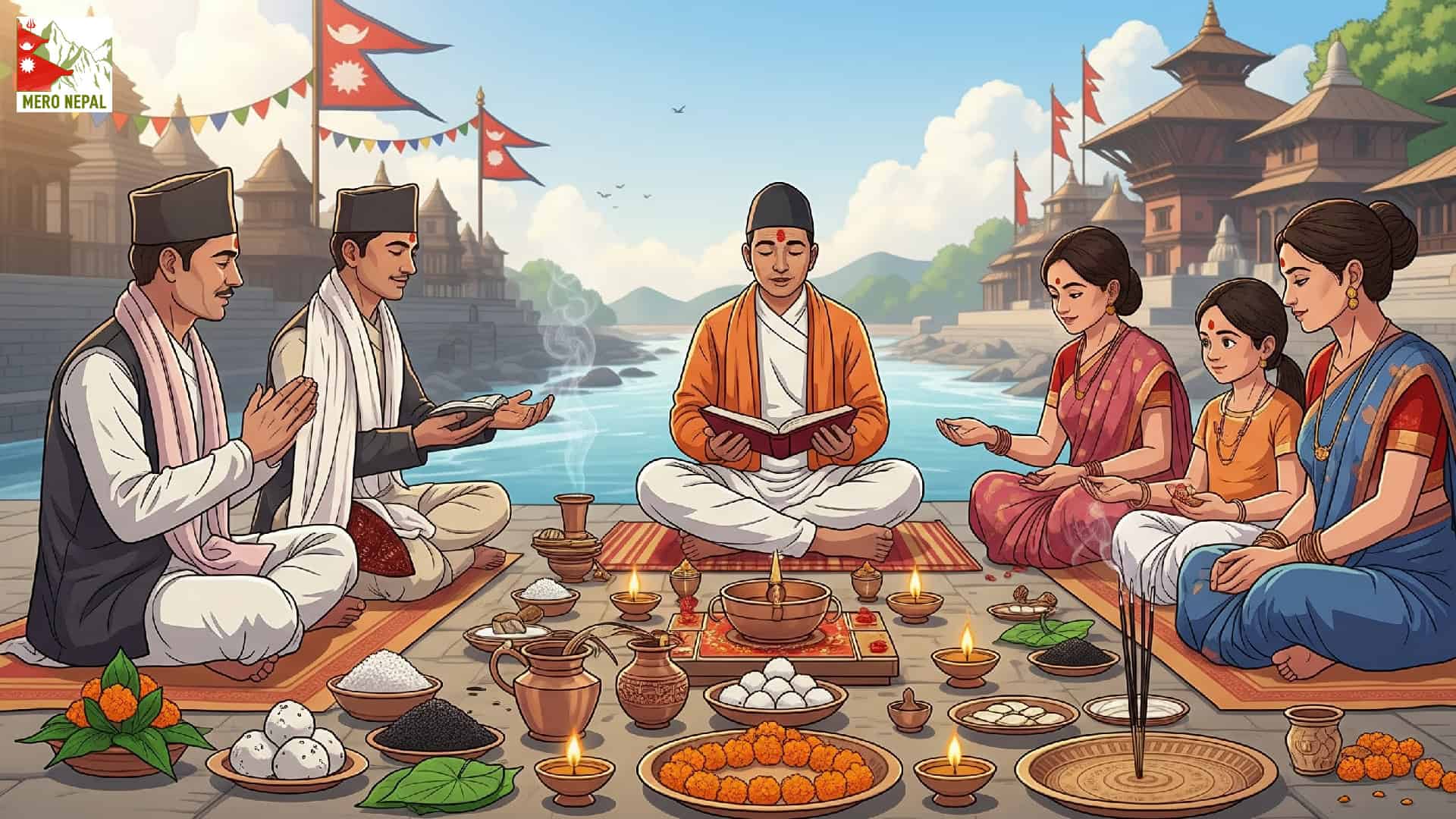
Introduction In Hinduism, death is not considered an end but a transition. Proper performance of Shraddha and Pind Daan ensures peace for the departed soul and blessings for the living. These rituals, rooted in the Vedas, involve offerings, prayers, and ceremonial rites to honor ancestors. Even in modern times, Hindus, including those living abroad, continue […]

Continue Reading