Summary
Maha Shivratri, meaning “the Great Night of Shiva,” is one of the most sacred festivals in Hindu tradition. Dedicated to Lord Shiva, it is observed with deep devotion across Nepal and India. The festival symbolizes the union of Shiva and Shakti, spiritual purification, and inner awakening. Through fasting, night-long vigil, prayer, and ritual worship, devotees seek both material balance and spiritual growth. This article explores the historical roots, sacred stories, rituals, regional traditions in Nepal, spiritual meaning, and modern relevance of Maha Shivratri in a detailed and culturally grounded way.
Historical Background of Maha Shivratri
References to Maha Shivratri are found in ancient Hindu scriptures such as the Shiva Purana and Linga Purana. According to these texts, Lord Shiva is especially receptive to devotion, meditation, and prayer on this night. One widely held belief states that Maha Shivratri marks the divine union of Lord Shiva and Goddess Parvati, an event that symbolizes the harmonization of cosmic energies responsible for creation, preservation, and dissolution.
In Nepal, the history of Maha Shivratri is deeply connected to the legacy of Pashupatinath Temple in Kathmandu, one of the holiest Shiva shrines in the world. Historical records and oral traditions describe royal patronage, large pilgrimages, and elaborate temple rituals dating back centuries. Kings, priests, and ordinary citizens alike prepared for this night with fasting, purification, and devotion, making Maha Shivratri a central pillar of Nepal’s religious heritage.
Sacred Stories and Symbolism
Several spiritual narratives are associated with Maha Shivratri. One popular legend recounts Goddess Parvati’s intense penance and devotion to win Lord Shiva’s acceptance. By observing strict fasting and meditation throughout the night, Parvati demonstrated unwavering dedication, leading to her union with Shiva. This story highlights the power of devotion, patience, and spiritual discipline.
Another belief holds that on this night, Lord Shiva performs the cosmic Tandava, the divine dance that governs the rhythm of the universe. Through this dance, Shiva maintains balance between creation, existence, and destruction. Thus, Maha Shivratri represents not only a religious festival but also a profound moment of cosmic alignment and spiritual consciousness.
Core Rituals of Maha Shivratri
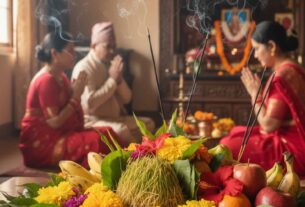
Maha Shivratri is observed through a combination of austerity, devotion, and community participation. Fasting is one of the most important practices. Many devotees observe a full fast, consuming only water, milk, or fruits, while others follow a partial fast by avoiding grains and heavy food. Fasting is considered a means of cleansing the body and disciplining the mind, preparing the devotee for spiritual focus.
Night-long vigil, known as Jagaran, is another essential aspect. Devotees remain awake throughout the night, chanting mantras, singing devotional hymns, and meditating on Lord Shiva. The mantra “Om Namah Shivaya” is repeatedly chanted, believed to purify the mind and invoke divine energy. Staying awake symbolizes spiritual alertness and conscious awareness.
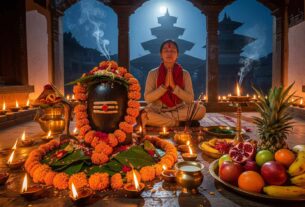
The ritual of Abhishekam, or sacred bathing of the Shiva Lingam, holds deep significance. Water, milk, honey, curd, and sacred oils are poured over the Lingam while mantras are recited. This act represents purification, surrender, and devotion. Offerings such as Bael leaves, flowers, fruits, incense, and lamps accompany the ritual, creating a deeply sacred atmosphere.
Temple visits and collective worship are central to the celebration. Shiva temples across Nepal become centers of devotion, prayer, and cultural expression. Oil lamps, incense, and rhythmic chanting transform temple spaces into powerful spiritual environments.
Regional Observance in Nepal
Maha Shivratri is celebrated throughout Nepal, but Pashupatinath Temple in Kathmandu stands as the epicenter of the festival. Thousands of devotees gather here, participating in rituals, processions, and night-long worship. The temple complex glows with countless oil lamps, while the Bagmati River reflects the golden light, creating an atmosphere of profound reverence.
In rural regions, Maha Shivratri is observed with local customs and community participation. Devotional songs, folk dances, and group prayers are common. Families offer traditional foods, perform home-based rituals, and engage in acts of charity. Sacred Bael leaves are especially valued and offered to Shiva as symbols of purity and devotion.
Role of Panchanga and Auspicious Timing
Maha Shivratri is determined according to the lunar calendar and falls on the 14th night of the waning moon in the month of Falgun (February–March). The exact timing of rituals varies each year. Consulting the Nepali Panchanga helps devotees identify the most auspicious periods for fasting, worship, and temple visits.
Panchanga calculations based on tithi, nakshatra, yoga, and karana are believed to enhance the spiritual effectiveness of rituals. Aligning worship with cosmic time is considered essential for maximizing spiritual benefits and maintaining harmony with natural cycles.
Spiritual and Personal Benefits
Observing Maha Shivratri offers benefits beyond religious merit. Fasting and meditation encourage self-discipline, mental clarity, and emotional balance. Night-long vigilance sharpens awareness and cultivates mindfulness. Devotional singing and chanting reduce stress and deepen inner peace.
The festival also promotes ethical living and detachment from excessive material desires. Acts of charity and service performed on this day are believed to generate positive karma. For many devotees, Maha Shivratri becomes a turning point for introspection, renewal, and long-term spiritual commitment.
Relevance in Modern Life
In today’s fast-paced world, Maha Shivratri continues to hold relevance as a reminder of balance, discipline, and inner stillness. Even those unable to visit temples participate through home rituals, meditation, and mindful observance. The festival encourages individuals to pause, reflect, and realign their lives with deeper values.
Modern tools and digital calendars have made it easier to follow Panchanga timings, understand rituals, and stay connected to tradition without losing authenticity. In this way, ancient wisdom continues to adapt to contemporary life.
MeroNepal App
Conclusion
Maha Shivratri is not merely a festival but a spiritual pathway toward purification, awareness, and divine connection. Through fasting, night-long worship, ritual offerings, and devotion, devotees align themselves with cosmic energy and inner truth. Rooted deeply in Nepal’s religious and cultural landscape, Maha Shivratri remains a timeless reminder that spiritual growth arises from discipline, devotion, and conscious living.