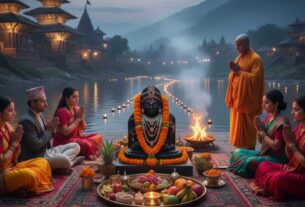
Nepal is a nation rich in religion, culture, and history. Its sacred temples are not only remarkable for their architecture and natural surroundings, but also serve as the spiritual centers of Nepali life. For thousands of years, temples such as Pashupatinath, Muktinath, Changu Narayan, Manakamana, and Hanuman Dhoka have guided devotees through religious practice, spiritual awareness, and social tradition.
These temples play a vital role in shaping Nepal’s cultural identity. Devotees visit them for worship, meditation, pilgrimage, festivals, charity, and inner transformation. In the modern digital era, the Meronepal App supports devotees by providing access to auspicious dates, temple visit planning, ritual guidance, meditation tracking, and festival notifications, making spiritual practice more organized and accessible.
1. Historical and Religious Significance of Nepalese Temples
Nepal’s temples hold immense historical, cultural, and religious importance.
Pashupatinath Temple
Located on the banks of the Bagmati River in Kathmandu, Pashupatinath is one of the most sacred temples of Lord Shiva in the world. Listed as a UNESCO World Heritage Site, it is a major center of Shaivism. The grand celebration of Maha Shivaratri, attended by millions of devotees, reflects profound spiritual energy and social unity.
Muktinath Temple
Situated in the Mustang region, Muktinath is sacred to both Hindus and Buddhists. The eternal water spouts and sacred fire are believed to grant liberation (moksha). Pilgrims often reach this temple through demanding Himalayan journeys, adding spiritual depth to the pilgrimage.
Changu Narayan Temple
Recognized as the oldest temple in Nepal, Changu Narayan is dedicated to Lord Vishnu. Its exquisite stone and wood carvings represent Nepal’s ancient artistic excellence and religious heritage.
Manakamana Temple
Located in the Gorkha region, this temple is dedicated to Goddess Manakamana, believed to fulfill devotees’ wishes. It is a major pilgrimage destination for those seeking blessings and spiritual reassurance.
Together, these temples preserve Nepal’s religious continuity, moral values, and spiritual discipline.
2. Daily Worship Practices and Rituals
Devotees visiting Nepali temples commonly follow these practices:
Daily Puja: Offering flowers, incense, oil lamps, water, and food according to temple traditions.
Mantra Chanting: Reciting mantras in a soft, subdued voice or mentally for deeper concentration.
Pilgrimage (Yatra): Circumambulating temples or walking long sacred routes.
Charity and Service: Donating food, money, or participating in community service.
Special Rituals: Performed during auspicious dates and festivals.
3. Festivals and Celebrations
Temples across Nepal host vibrant religious festivals throughout the year:
Maha Shivaratri: A night-long vigil of prayer, meditation, and Shiva worship at Pashupatinath.
Dashain and Tihar: Major Hindu festivals involving temple rituals and goddess worship.
Muktinath Festivals: Joint Hindu-Buddhist ceremonies emphasizing spiritual liberation.
Local Temple Jatras: Cultural processions, hymns, and ritual performances.
Hanuman Dhoka Celebrations: Historically significant events blending religion and royal heritage.
The Meronepal App provides timely alerts for festival dates, rituals, and auspicious times.
4. Meditation and Spiritual Practices
Nepali temples are not only places of ritual worship but also centers of meditation and inner discipline. Devotees practice:
Silent meditation in serene temple spaces
Soft mantra recitation to awaken spiritual energy
Special meditation during full moon days, fasting periods, and sacred festivals
5. Temple Architecture and Symbolism
Nepalese temple architecture reflects profound spiritual meaning:
Wood and Stone Craftsmanship: Intricate carvings depicting deities and cosmic symbols
Pagoda and Shikhara Styles: Unique to Nepal’s architectural heritage
Temple Courtyards: Designed for reflection and ritual movement
Sacred Colors and Icons: Symbolizing divine energies and philosophical principles
Architecture itself becomes a spiritual tool, guiding devotees toward focus and reverence.
6. Myths, Legends, and Sacred Stories
Nepal’s temples are deeply connected to mythology and folklore:
Pashupatinath: Believed to be Lord Shiva’s earthly abode
Muktinath: A gateway to liberation
Changu Narayan: A manifestation of Vishnu’s eternal power
Manakamana: A goddess who fulfills heartfelt wishes
These stories inspire faith, moral discipline, and continuity of ritual tradition.
7. Environmental and Ethical Awareness
Temples promote respect for nature and ethical living:
Maintaining cleanliness around sacred sites
Respecting rivers, forests, and wildlife
Practicing responsible pilgrimage behavior
The Meronepal App also provides guidance on eco-conscious and respectful pilgrimage practices.
8. Digital Support in the Modern Era
Panchang-based auspicious date tracking
Temple visit planning and ritual schedules
Mantra, meditation, and puja reminders
This integration makes spiritual life organized, consistent, and accessible.
9. Devotee Experiences and Spiritual Benefits
Regular temple visits and practices offer devotees:
Inner peace and emotional stability
Increased positivity and mental discipline
Stronger spiritual awareness
Deeper cultural and social connection
The Meronepal App helps maintain these practices as part of daily life.
10. Conclusion
The sacred temples of Nepal are not merely physical structures, but living spiritual centers that awaken devotion, discipline, and inner peace. They continue to guide generations through ritual, meditation, and ethical living.
“Temples are not just stone and wood; they are centers of faith and consciousness that awaken the soul.”
Download the Meronepal App:
https://play.google.com/store/apps/details?id=com.meronepal.app
Plan your pilgrimages, track rituals, and deepen your spiritual practice.