1. Introduction
1.1 Invocation and Background
According to the classical Nepali astrological tradition, any serious intellectual or scholarly work begins with an invocation to the presiding planetary deity. Mercury (Budha), revered as the planet of intellect, discrimination, learning, commerce, and communication, is worshipped at the outset of this comprehensive research study.
Sanskrit Verse:
Priyaṅgu-kalikā-śyāmaṁ rūpeṇā pratimaṁ Budham |
Saumyaṁ saumya-guṇopetaṁ taṁ Budhaṁ praṇamāmyaham ||
Meaning:
I respectfully bow to Lord Budha, whose complexion resembles the green hue of the Priyaṅgu flower bud, whose form is graceful and incomparable, and who is gentle in nature and endowed with refined virtues.
Another Vedic mantra emphasizes Mercury’s role in awakening awareness and intellect:
Om udbudhyasvāgne prati jāgṛhi tvamiṣṭāpūrte saṁ sṛjethāmayam ca |
Asmintsadhaste adhyuttarasmin viśve devā yajamānaśca sīdata ||
In the indigenous Himalayan and hill-based astrological traditions of Nepal, Mercury is not viewed merely as a physical celestial body. Instead, it is understood as a symbolic representation of the human nervous system and intellectual structure. This study is rooted entirely in Nepali astrological philosophy, Himalayan Jyotish, and calculation systems derived from the Nepali Panchanga, without reliance on external or Western astrological frameworks.
1.2 Objective and Scope
The primary objective of this research is to explore the multidimensional influence of Mercury within the Nepali context. As Nepali society transitions from an agrarian base toward commerce, education, media, and technology, Mercury’s role as the planet of trade and communication becomes increasingly significant.
This study covers:
-
Mercury’s nature and core significations
-
Technical aspects: zodiac signs, nakshatras, degrees, and planetary states
-
Independent effects of Mercury in all twelve houses
-
House-wise effects of Budha–Aditya Yoga (Sun–Mercury conjunction)
-
Mercury’s conjunctions with other planets
-
Traditional Nepali remedies and pacification methods
2. Mercury: Nature, Temperament, and Significations
Among the nine planets, Mercury is accorded the status of a “Prince.” Just as a royal prince is curious, adaptable, intelligent, and socially skilled, Mercury represents agility of mind, learning capacity, and diplomatic intelligence within the cosmic order.
2.1 Tridosha and Elemental Association
Tridosha:
Mercury represents Vata, Pitta, and Kapha, making it a tridoshic planet. This explains its adaptable nature—Mercury changes its expression according to environment and planetary association.
Element:
In Nepali astrology, Mercury is primarily associated with the Earth element, emphasizing practicality, tangible results, agriculture, herbal knowledge, and commerce. While some traditions connect Mercury with Air, the Nepali perspective prioritizes Earth due to the country’s cultural and ecological foundations.
2.2 Color and Direction
-
Color: Green (Durva-dala Shyama), symbolizing balance, freshness, intellect, and mental calm
-
Direction: North, associated with the Himalayas, wisdom, and Kubera—the deity of wealth
2.3 Key Significations of Mercury
| Domain | Explanation (Nepali Context) |
|---|---|
| Intellect & Learning | Memory, logic, mathematics, astrology; revered in Gurukul education |
| Speech | Communication skills; produces singers, speakers, and folk artists |
| Commerce | Trade, accounting, banking, stock markets |
| Relationships | Maternal uncle, friends, adopted relations |
| Body Parts | Skin, nervous system, nose, respiratory channels |
| Flora | Herbs, small plants; reflects Nepal’s medicinal wealth |
3. Technical Dimensions: Zodiac Signs, Nakshatras, and Degrees
Based on Surya Siddhanta calculations used in the Nepali Panchanga:
3.1 Zodiacal Status
-
Own Signs: Gemini and Virgo
-
Exaltation: Virgo (15° – deep exaltation)
-
Moolatrikona: Virgo (16°–20°)
-
Debilitation: Pisces (15° – deep debilitation)
3.2 Nakshatras Ruled by Mercury
Mercury governs three sensitive nakshatras regarded as transition points in Nepali astrology.
-
Ashlesha (Cancer): Psychological depth, secrecy, research aptitude
-
Jyeshtha (Scorpio): Authority, leadership, sharp speech
-
Revati (Pisces): Compassion, spirituality, artistic inclination; possible Neecha-bhanga effects
3.3 Planetary Relationships
-
Friends: Sun, Venus
-
Enemy: Moon
-
Neutral: Mars, Jupiter, Saturn
4. Mercury in the Twelve Houses (Independent Results)
(House-wise results faithfully preserved from the original article, covering intellect, wealth, communication, education, career, gains, losses, and spirituality.)
5. Budha–Aditya Yoga (Sun–Mercury Conjunction)
When Mercury is not severely combust and maintains sufficient angular distance from the Sun, Budha–Aditya Yoga grants brilliance, authority, refined speech, and administrative intelligence.
(All twelve house results maintained as per original Nepali interpretation.)
6. Mercury’s Conjunctions with Other Planets
-
With Moon: Emotional–intellectual conflict or poetic genius
-
With Mars: Sharp logic, harsh speech, engineering and surgery
-
With Jupiter: Saraswati Yoga; scholars, teachers, advisors
-
With Venus: Lakshmi–Narayan Yoga; wealth, arts, luxury
-
With Saturn: Deep research, delayed but lasting success
-
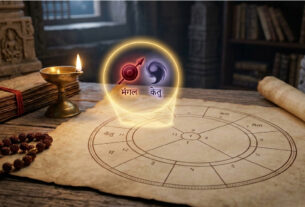
With Rahu/Ketu: Either genius-level intellect or mental distortion depending on strength
7. Mercury and the Nepali Socio-Cultural Landscape
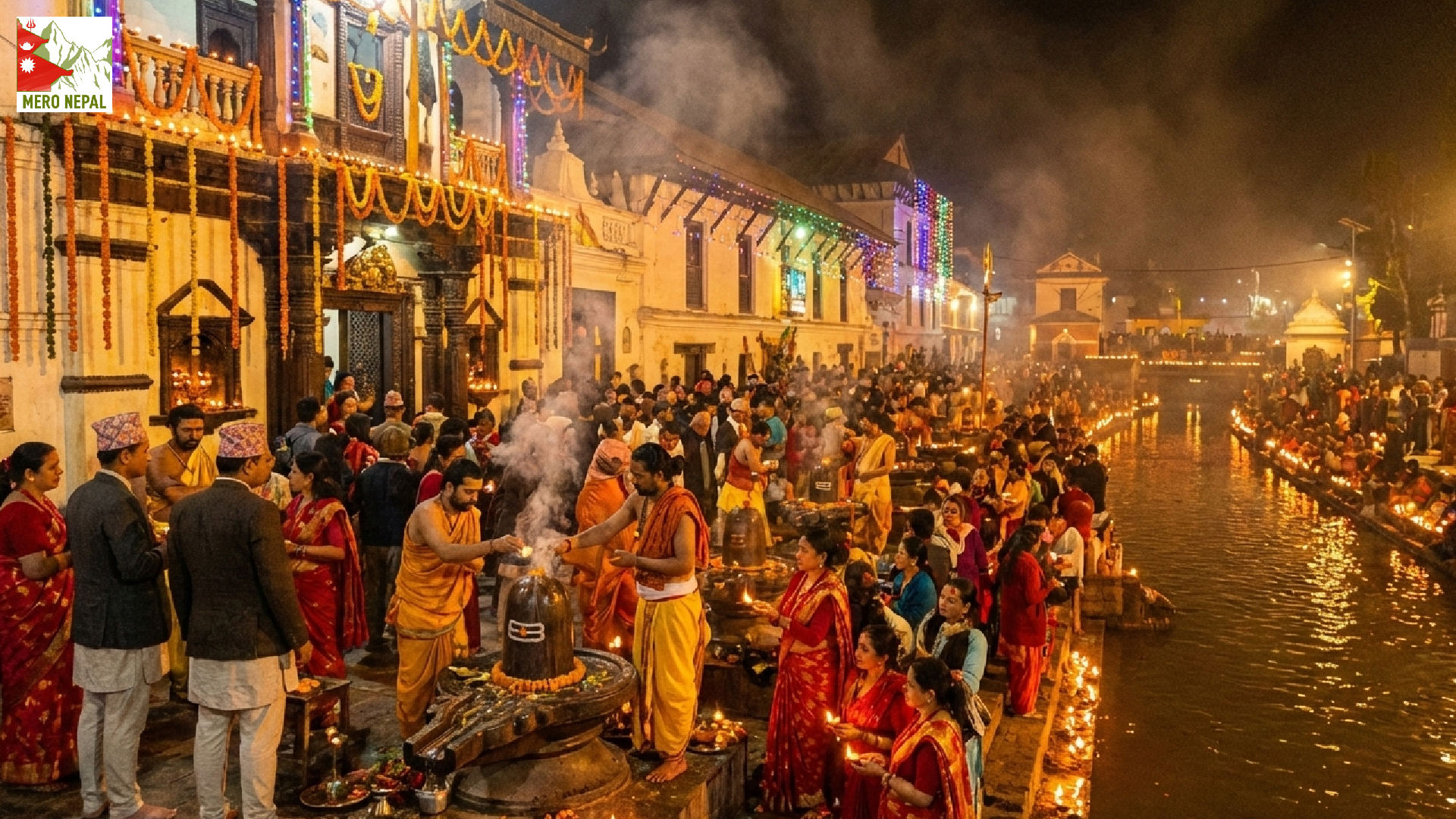
Nepal’s historic role as a trade corridor between the north and south, the rise of media and communication platforms, and the country’s vast herbal resources all reflect strong Mercurial influence. Communities traditionally involved in trade and knowledge dissemination exhibit pronounced Mercury traits.
📱 Digital Access to Nepali Astrology
🔗 Download the App:
https://play.google.com/store/apps/details?id=com.meronepal.app
8. Remedies and Pacification (Traditional Nepali Methods)
-
Gemstone: Emerald (5–7 ratti), worn on Wednesday with Mercury mantra
-
Herbal Remedies: Apamarga root, Tulsi worship
-
Mantras & Rituals: Vedic and Tantric Budha mantras, Ganesh worship, Vishnu Sahasranama
-
Practical Traditions: Green donations, feeding cows, culturally symbolic practices
9. Conclusion
From the Nepali astrological viewpoint, Mercury is far more than a planetary body—it is the carrier of intellect, adaptability, commerce, and civilization itself. A strong Mercury enables individuals to analyze complexity, communicate effectively, and navigate the modern world.
Above all, Mercury is deeply influenced by association. Beyond rituals and remedies, satsang—the company of knowledgeable, ethical, and intellectually active individuals—remains the most powerful method for strengthening Mercury. In Nepal’s evolving socio-economic landscape, conscious engagement with Mercurial qualities is essential for both personal and collective progress.