Introduction
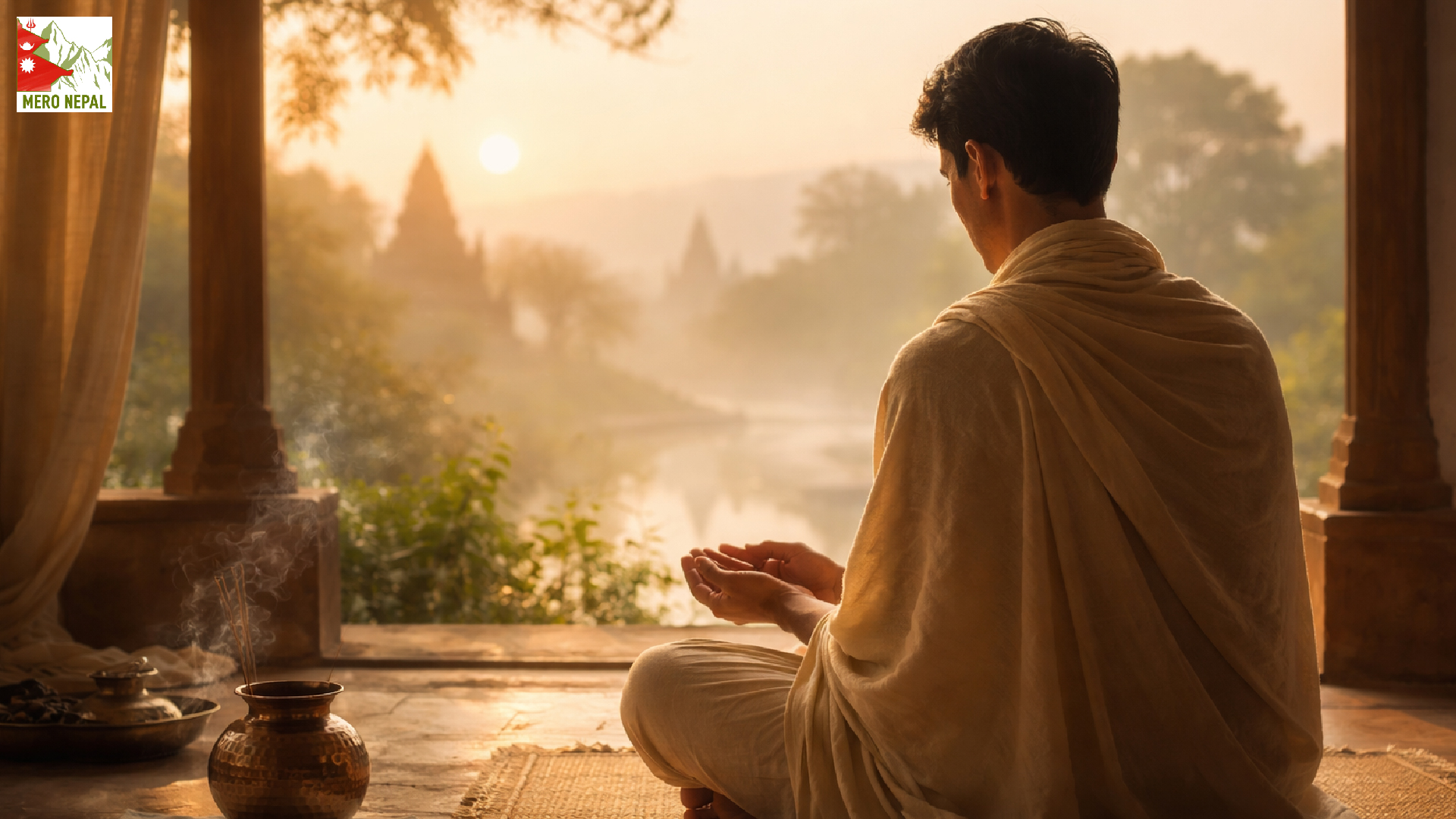
The way you begin your morning has a profound impact on the rest of your day. Dharma Shastra outlines morning rituals that are not just religious practices but practical disciplines designed to bring mental clarity, physical balance, and purposeful action. These simple routines harmonize with natural rhythms, preparing the body and mind for a productive day.
In modern life, stress, irregular routines, and lack of time are common challenges. Adopting these simple morning practices from Dharma Shastra can lead to noticeable positive changes in daily life.
1. Karadarshanam: Starting the Day with Awareness
According to Dharma Shastra, the first practice after waking up is Karadarshanam, which involves consciously observing one’s palms.
Traditionally, the palms are believed to represent:
-
Saraswati – knowledge
-
Lakshmi – prosperity
-
Karma – action and effort
By looking at the palms, one is reminded that the results of the day depend on their own actions. This practice cultivates mindfulness, self-responsibility, and confidence at the very start of the day.
From a modern psychological perspective, Karadarshanam works as a form of self-affirmation, strengthening the mind to make better decisions throughout the day.
2. Drinking Water from a Copper Vessel
Dharma Shastra recommends drinking water stored overnight in a copper vessel early in the morning.
Benefits of this practice include:
-
Activating digestion and metabolism
-
Balancing the body’s doshas (Vata, Pitta, Kapha)
-
Supporting natural detoxification
Modern studies confirm that copper has antimicrobial properties. Drinking copper-infused water regularly boosts immunity, promotes digestion, and energizes the body for the day ahead.
Maintaining a healthy body is considered a crucial aspect of Dharma, as physical well-being supports all other aspects of life, including duty and knowledge.
3. Physical Cleanliness and Sun Awareness
Morning cleanliness is an essential practice in Dharma Shastra. Washing the face, hands, and mouth refreshes both body and senses.
Spending a few moments facing the rising sun provides additional benefits:
-
Regulates the body’s biological clock
-
Improves alertness and mood
-
Encourages gratitude toward the source of life and energy
The sun is considered the source of life, energy, and time in Vedic thought. Morning awareness of the sun fosters a connection between natural cycles and daily discipline.
4. Five-Minute Meditation: Chakra Alignment and Mental Clarity
Dharma Shastra emphasizes mental purification as much as physical cleanliness. A short five-minute meditation in the morning is enough to bring balance.
Benefits include:
-
Calming a restless mind
-
Aligning the Chakras
-
Reducing stress and emotional instability
Simple practices like mindful breathing, silent meditation, or gentle mantra chanting are sufficient. Even a few minutes help maintain mental clarity and improve decision-making throughout the day.
Meditation in the morning acts as a bridge between inner peace and external success.
5. Setting Intentions According to Subha Hora
Time in Dharma Shastra is viewed qualitatively, not just quantitatively. Certain periods, called Subha Hora, are considered auspicious for starting important activities.
Starting work during Subha Hora:
-
Enhances discipline and consistency
-
Improves confidence in actions
-
Aligns effort with favorable timing
Setting intentions at the right time makes the day more structured, purposeful, and productive.
Mero Nepal App: Bridging Tradition and Modern Life
In today’s busy lifestyle, it is easy to forget or skip morning rituals. The Mero Nepal App makes it simple to follow these traditional practices.
With the app, you can:
-
Set daily reminders for morning rituals
-
Check your Subha Hora before starting important tasks
-
Access Panchang, Tithi, Nakshatra, and daily guidance
Mero Nepal App brings the deep wisdom of Dharma Shastra into a modern, practical, and digital format, helping users maintain consistency and integrate traditional knowledge into their daily routine.
Conclusion
The morning rituals outlined in Dharma Shastra may seem simple, but their impact is profound. Practices like Karadarshanam, drinking copper water, maintaining cleanliness, meditation, and following auspicious timing enhance discipline, balance, and productivity. These routines are not just traditional—they are highly relevant and effective even in modern life. Integrating these practices into daily life allows timeless Vedic wisdom to support a purposeful, energized, and balanced lifestyle.