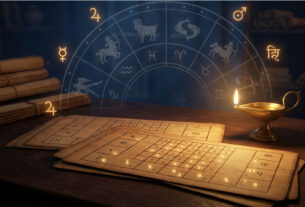
Surya Panchanga is a timekeeping system based on the movement of the sun, influencing various aspects of life in Nepal, including months, seasons, Sankranti (solar transitions), agricultural cycles, religious rituals, and social activities. Although the lunar calendar is also widely used in Nepal, the Surya Panchanga provides a scientific foundation for the annual cycle, national calendar, seasons, and many solar festivals. Because the sun’s motion is consistent, measurable, and predictable, Surya Panchanga has been considered reliable since ancient times.
1. Historical Development of Surya Panchanga
The origins of Surya Panchanga lie in Vedic astronomy. Among its texts, the “Surya Siddhanta” is regarded as the most prominent, detailing the sun’s degree changes, planetary motions, seasonal cycles, day–night lengths, eclipse calculations, time units like nadis, and the zodiac structure. In Nepal, these astronomical principles are used in traditional calendar making, Panchanga preparation, and official date determination. Historically, royal courts, astrology centers, and guthi (traditional trusts) institutions in Nepal have maintained the solar-based calendrical system.
2. How Surya Panchanga Is Prepared
The sun completes a 360° journey through the 12 zodiac signs in a year. The precise moment the sun enters a new sign is called Sankranti, which determines the start of a month, festival dates, and seasonal changes. For example, the sun entering Aries (Mesha Rashi) marks the Nepali New Year on Baisakh 1. Accurate solar calculations require combining astronomical computations, current planetary positions, ephemeris data (planetary tables), and local time conventions. Panchanga makers constantly update the sun’s daily motion, declination, ecliptic position, and transit times to minimize errors.
3. Key Elements of Surya Panchanga
Sankranti: The precise moment the sun enters a new zodiac sign, used to determine festival days.
Solar Months: Twelve months formed based on the sun’s stay in each zodiac sign.
Ayana: Dividing the year into two parts: Uttarayana (northward movement) and Dakshinayana (southward movement).
Seasonal Cycle: Six seasons—spring, summer, monsoon, autumn, pre-winter, and winter—are determined by the sun’s movement.
Solar Hora and Sundays: Basis for selecting auspicious times, travel schedules, and the start of rituals.
Nakshatra Influence: Though solar-based, the sun’s position relative to lunar constellations (nakshatras) also affects religious rituals.
4. Difference Between Solar and Lunar Panchangas
The lunar Panchanga governs tithi (lunar day), paksha (fortnight), full moon–new moon, fasting, rituals, auspicious timings, and horoscope calculations. However, because the lunar year does not match the solar year perfectly, intercalary months (adhimas) may occur. The solar Panchanga, being precise and measurable, serves as the primary guide for actual time, seasonal transitions, agricultural cycles, and the national calendar. In Nepal, combining both systems balances cultural traditions and scientific accuracy.
5. Cultural Impact of Surya Panchanga in Nepal
Many festivals in Nepal are determined by solar transitions:
Maghe Sankranti: Sun enters Capricorn, celebrated for health, energy, and prosperity.
Baisakh 1 (Nepali New Year): Sun enters Aries.
Ghode Jatra and other local festivals: Symbolic of solar cycles.
Chhath, Chaitra Dashain, and solar-related festivals: Linked to sunlight, warmth, and seasonal changes.
Special rituals at Sun temples (Suryanarayan Mandir), Ayana ceremonies, and Hajari puja are based on solar calculations.
In Himalayan and Terai communities, sunrise, noon, and sunset guide rituals, offerings, fire ceremonies, and tharpas, reflecting trust in solar calculations.
6. The Sun’s Role in Astrology
In astrology, the sun represents the soul, energy, health, leadership, goals, illumination, father, and wisdom.
Sun sign: Determines personality, confidence, decisiveness, and leadership tendencies.
Sun house placement: Shows life areas where the person excels.
Sun degree: Indicates personal development, purpose, and significant life events.
Sun Mahadasha and Antardasha: Predict periods of activity, achievement, prestige, and progress.
Astrological decisions in Nepal—marriage, housewarming, business initiatives, travel, donations, and rituals—are considered incomplete without analyzing the sun’s position.
7. Importance of Surya Panchanga in Modern Nepal
The national calendar recognized by the Government of Nepal is based on the solar Panchanga, affecting:
National and public holidays
Official festival dates
School and office annual planning
Agricultural seasonal planning
Climate- and season-based travel safety
Crop scheduling and farming decisions
Annual horoscope (Solar Return) analysis
It provides a clear, consistent yearly framework, maintaining balance from administrative planning to cultural observances.
8. Availability of Surya Panchanga Through Modern Technology
Mobile apps now make it easy to access solar Panchanga, festivals, zodiac positions, auspicious timings, and religious content.
Combined solar and lunar calculations
Sankranti timings
National dates and festival information
Articles, calendars, auspicious times, and daily horoscopes
With continuous updates on solar movements, zodiac analysis, and cultural events, the app connects tradition with modern convenience, letting users easily understand seasonal changes and the scientific basis of cultural festivals.
9. Conclusion
Surya Panchanga forms the foundation of Nepal’s religious, astronomical, cultural, and social structures. Its scientific stability, direct influence on seasonal cycles, and utility in festival management make it one of the most important timekeeping systems in Nepal. In the digital age, its relevance is growing, as apps and digital calendars make it widely accessible and practical.