Summary: Tithi, determined by the angular distance between the Moon and the Sun, is a time unit that profoundly affects religious activities, festivals, fasts, worship, and daily rituals in Nepal. In Nepali society, tithi is not only a scientific measure of time but also a celestial guide aligning human energy, nature, and spiritual awareness.
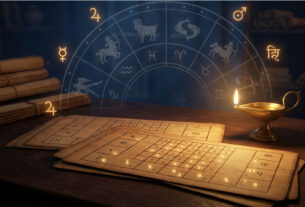
1. What is Tithi? Tithi is the fundamental unit of the lunar calendar. Each tithi is completed when the Moon moves 12° relative to the Sun, resulting in 30 tithis in a month—15 in the bright half (Shukla Paksha) and 15 in the dark half (Krishna Paksha). These 30 tithis determine the dates of festivals, auspicious and inauspicious activities, and religious decisions. Tithi calculation is not only traditional but is also believed to correspond with scientific phenomena such as lunar gravity, tides, the water content in the human body, and biological processes.
2. Lunar Phases and Their Cultural Impact
2.1 Shukla Paksha (Waxing Moon) Shukla Paksha is the Moon’s waxing phase, representing growth, prosperity, enthusiasm, and positive energy. Activities like weddings, business ventures, property purchase, temple establishment, and new projects are considered most auspicious during this phase.
2.2 Krishna Paksha (Waning Moon) Krishna Paksha is the Moon’s waning phase, associated with introspection, meditation, purification, and ancestral rites. Practices like yoga, fasting, spiritual meditation, and ancestral offerings are considered more fruitful in this period.
2.3 Purnima (Full Moon) The full Moon is associated with mental clarity, spiritual experiences, and energy expansion. In Buddhist tradition, Buddha’s birth, enlightenment, and Mahaparinirvana occurred on full moon days. In Hinduism, Purnima is ideal for charity, fasting, bathing rituals, meditation, and spiritual gatherings.
2.4 Amavasya (New Moon) Amavasya is when the Moon is invisible. It is a time for ancestral offerings, removing negative energies, secret spiritual practices, and peace rituals. Mental stability may be lower during this period, so focusing on silence and meditation is recommended.
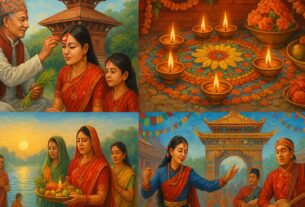
3. Major Festivals and Their Tithi Connection Janai Purnima – Full Moon Tithi: This day is considered the pinnacle of physical, mental, and spiritual purification. The sacred thread changing ceremony is directly linked with lunar energy. Teeja – Shukla Paksha of Bhadra: Women’s fasting and worship are believed to gain greater efficacy from the auspicious lunar energy. Haritalika Teej and Varaha Jayanti: Both fall on auspicious Shukla Paksha days, enhancing the likelihood of wish fulfillment and marital prosperity. Dashain – Shukla Paksha of Ashoj: Navaratri, Vijaya Dashami, Tika, and Jamara occur during the waxing Moon, symbolizing the rise of divine power. Tihar – Combination of Amavasya and Shukla Paksha: Crow Tihar falls in Krishna Paksha, Lakshmi Puja on Amavasya, and Bhai Tika on Shukla Dwitiya. These dates are set according to lunar phases to enhance wealth, prosperity, and family bonds. Chhath – Shashthi Tithi: Although a Sun worship festival, Chhath’s timing is also determined by lunar cycles, aligning the body, nature, water, and planetary energies. Losar – Lunar New Year: The Tibetan and Himalayan communities celebrate the new year according to the lunisolar calendar.
4. Astrological Significance of Tithi
4.1 Moon and Psychology The Moon is believed to influence water content in the human body, hormones, sleep cycles, and emotional fluctuations. Energy rises during Shukla Paksha, calmness is needed in Krishna Paksha, sensitivity increases on Purnima, and mental fluctuations may occur on Amavasya.
4.2 Auspicious and Inauspicious Effects by Tithi In astrology, each tithi is associated with specific planets, deities, and energy cycles: Dwitiya – trade and business, Tritiya – travel, Chaturthi – Ganesh worship, Shashthi – child protection, Navami – power worship, Ekadashi – fasting and purification.
4.3 From Marriage to Housewarming Tithi is considered when planning weddings, moving homes, purchasing property, starting businesses, or making major life decisions.
5. Daily Use of Tithi in Nepali Life
5.1 Morning Religious Rituals People still follow the tradition of checking the tithi to determine worship, chanting, charity, or fasting.
5.2 Health and Lunar Cycles Goals are initiated during Shukla Paksha, stress-reduction practices during Krishna Paksha, meditation during Purnima, and silence and balance on Amavasya.
5.3 Family Ceremonies Naming ceremonies, first feeding (Annaprashan), house settling, and ancestral rites are all performed according to the lunar calendar.
6. Scientific Perspective Lunar effects on tides are proven, and since the human body consists of over 60% water, subtle lunar influences are plausible. Sleep, hormonal changes, and mental sensitivity can show variations corresponding to lunar phases.
Conclusion Lunar movement, tithi, and lunar phases deeply influence Nepali lifestyle, culture, religion, and daily decision-making. Tithi is not just a calendar measure; it is a celestial guide for energy cycles, psychological states, religious timing, and family rituals. Nepal’s festivals, fasts, worship, meditation, and cultural traditions remain closely aligned with the Moon’s phases, leaving a lasting impact even today.