Introduction
In Nepali homes, the Tulsi plant is considered sacred and spiritually powerful. More than just a plant, it represents Goddess Lakshmi and is an essential part of Vastu Shastra. Its presence invites prosperity, good health, and divine energy into the household.
Vastu Importance of Tulsi Plant
According to Vastu principles, the Tulsi plant should be placed in the north, east, or northeast direction of the house. These directions attract sunlight and cosmic energy, enhancing positivity in the home.
Tulsi eliminates negative energy and maintains peace and purity in the surroundings.
Spiritual and Health Benefits
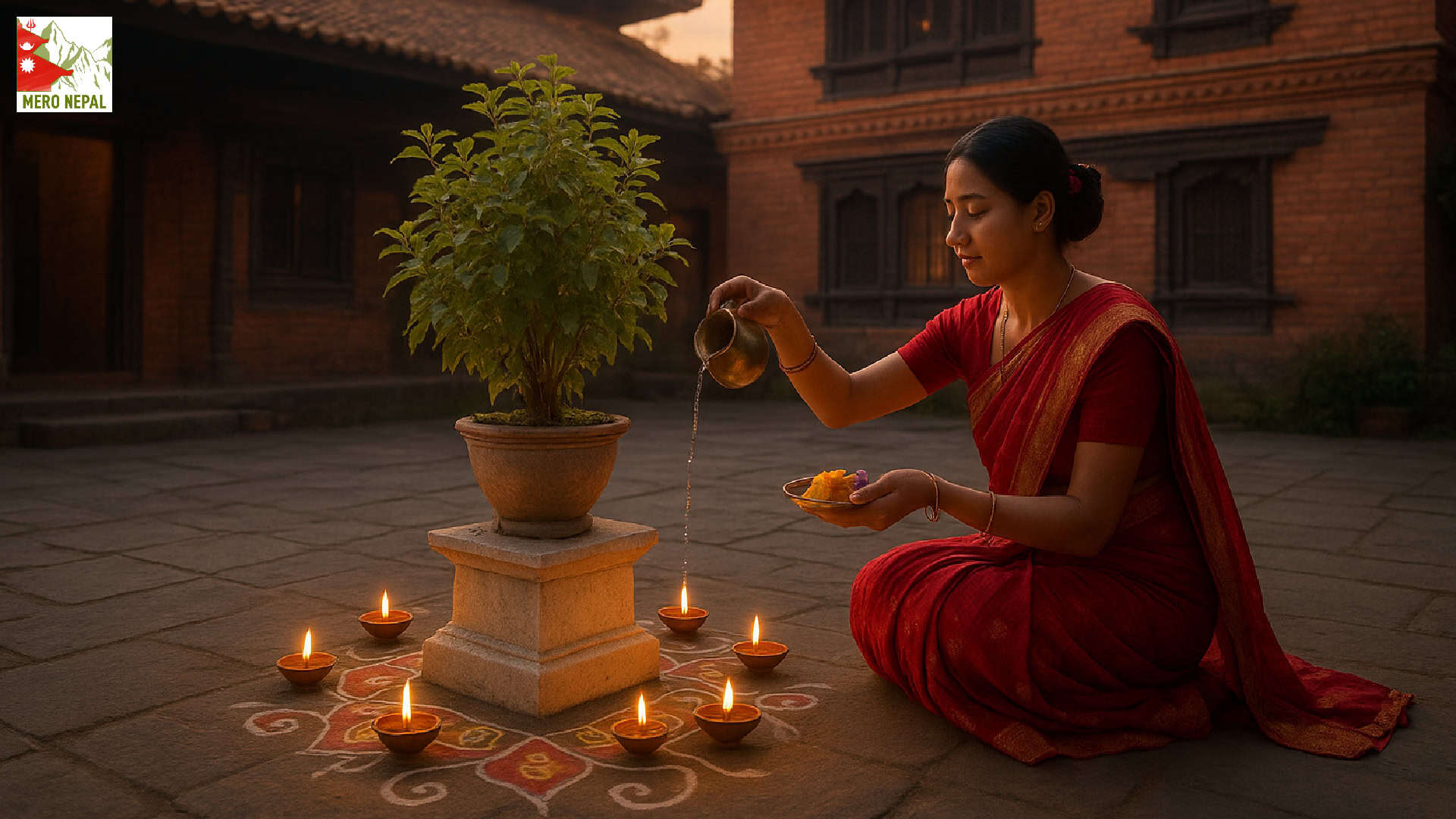
Lighting a diyo (lamp) near Tulsi every morning and evening is said to bring calmness, balance, and mental clarity. Scientifically, Tulsi purifies the air and improves health, making it both spiritually and physically beneficial.
Homes with a Tulsi Matha (altar) in the courtyard are considered auspicious. It symbolizes devotion, family harmony, and connection with nature. The aroma of Tulsi leaves also creates a tranquil and sacred atmosphere.
Tulsi in Modern Homes
Even in urban lifestyles, Tulsi can easily be grown in pots on balconies or rooftops. Regular watering and devotion are more important than location. What matters is the intention of purity and faith behind maintaining the plant.
It reminds us that spiritual well-being begins with respect for nature.
Cultural Significance in Nepal
In Nepal, Tulsi Vivah marks the ceremonial marriage of Tulsi and Lord Vishnu, symbolizing the start of the wedding season. This festival highlights the deep cultural link between Tulsi, spirituality, and family traditions in Nepali homes.
Mero Nepal App
Explore deeper insights into Vastu Shastra, astrology, and daily spiritual practices with the Mero Nepal App.
Check your Kundali, daily Panchang, Shubh Muhurat, and Vastu guidance all in one place — anytime, anywhere.