

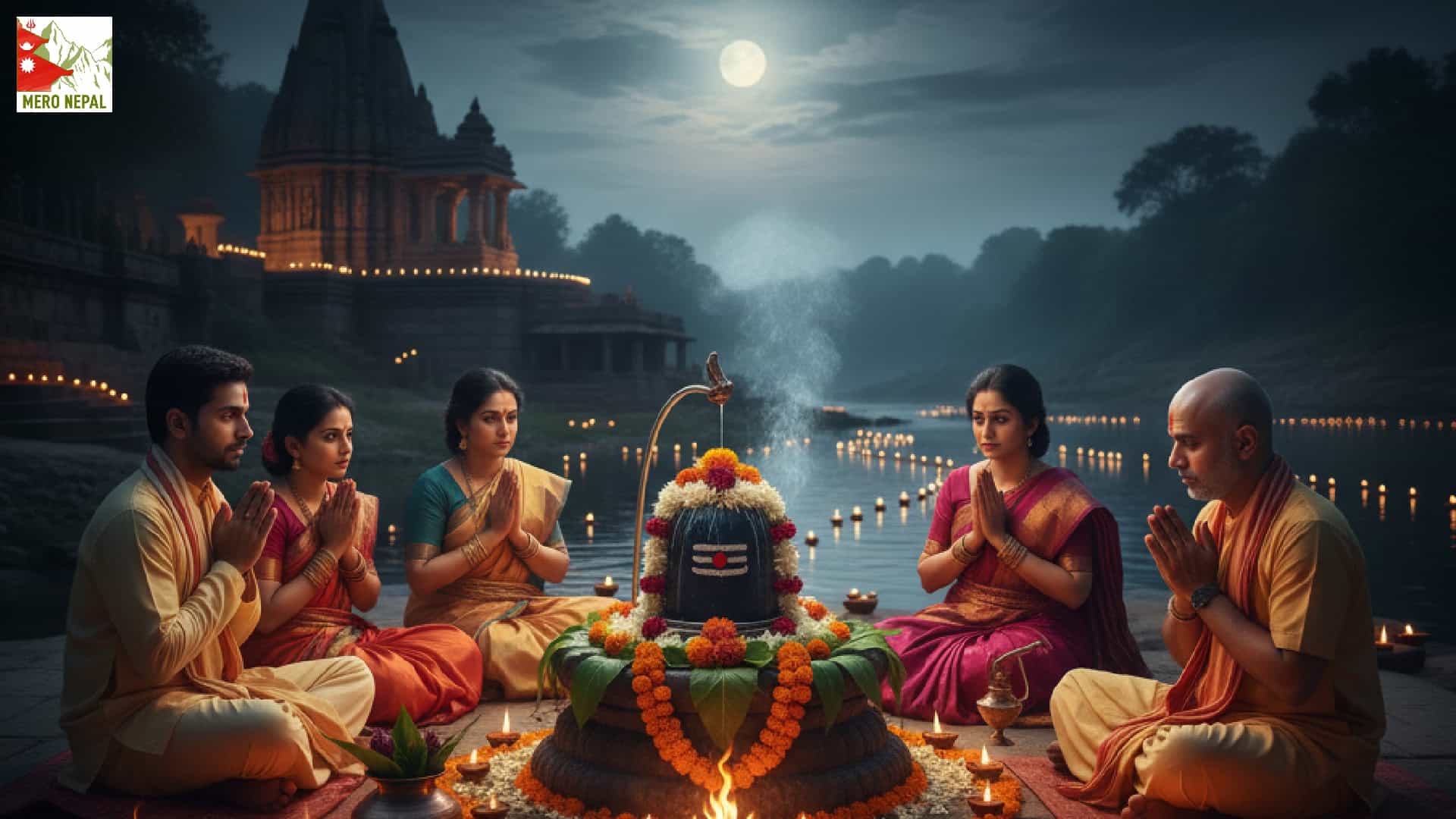
Shaniwar Pradosh Vrat is an important Hindu observance dedicated to Lord Shiva. It falls on Pradosh Kaal, the twilight period of the 13th (Trayodashi) and 12th (Dwadashi) lunar day of every month, specifically when it coincides with Saturday (Shaniwar). Devotees believe observing this Vrat helps in removing sins, relieving hardships, ensuring family harmony, and bringing prosperity.
Importance of Shaniwar Pradosh Vrat
Shaniwar Pradosh Vrat holds deep religious, spiritual, and social significance.
Spiritual Significance: The Vrat is believed to bring the blessings of Lord Shiva, purifying the mind, body, and soul.
Religious Benefits: Observing the Vrat helps eliminate sins, reduce difficulties, and enhance overall well-being.
Social and Family Benefits: Devotees believe it promotes family harmony, prosperity, and stronger relationships in married life.
Fasting Method
Devotees follow strict rules during the Vrat.
Mindset: The Vrat is not only a physical fast but also a practice of mental discipline and spiritual growth.
Diet: Most devotees consume fruits or light meals. Some observe a complete fast, drinking only water.
Bathing: A ritual bath in the morning purifies the body and mind.
Behavioral Discipline: Devotees avoid lying, anger, greed, and other negative actions.
Puja Method
The central ritual of Shaniwar Pradosh Vrat is Shiva Puja.
Start of Pradosh Kaal: During Trayodashi or Dwadashi evening, devotees perform Shiva Puja. The Shiva Linga is bathed and adorned with milk, water, yogurt, ghee, flowers, Bel leaves, and fruits.
Mantra Chanting and Bhakti: The primary mantra is “Om Namah Shivaya”, chanted 108 or 1008 times. Chanting brings mental peace and spiritual energy. Devotees also perform bhajans and kirtans.
Charity (Daan): Donations are considered auspicious. Giving food, clothes, or fruits to Brahmins, the needy, or the poor increases spiritual merit and attracts positive energy.
Social and Cultural Practices
Temples often organize special puja programs on Pradosh days. Many communities conduct bhajans, deepdan (lamp offerings), and night vigils. Families also light lamps at home, perform Shiva Puja, and chant mantras collectively. Observing this Vrat strengthens family unity and social harmony.
Astrological Significance
Pradosh Kaal with proper planetary positions is considered highly auspicious. Religious rituals and mantra chanting performed at this time are believed to produce maximum positive results. Observing the Vrat helps in planetary peace, health improvement, and wealth gains.
Conclusion
Shaniwar Pradosh Vrat is more than a religious ritual; it offers spiritual purification, mental peace, and prosperity. By fasting, performing Puja, chanting mantras, and giving charity, devotees seek Lord Shiva’s blessings. Regular observance removes sins, alleviates hardships, ensures family harmony, and attracts wealth and success.


